Kenyas annual inflation rate dipped a bit in February 2026 to 4.3 per cent from 4.4 per cent in January, Kenya National Bureau of Statistics (KNBS) reports.
The figures released reveal that despite the overall price growth still being moderate, the rise in food, transport, and utility bills is pushing households to their limits. An annual inflation rate of 4.3 per cent means that on average, the cost of living in February was 4.3 per cent higher than during the same period last year.
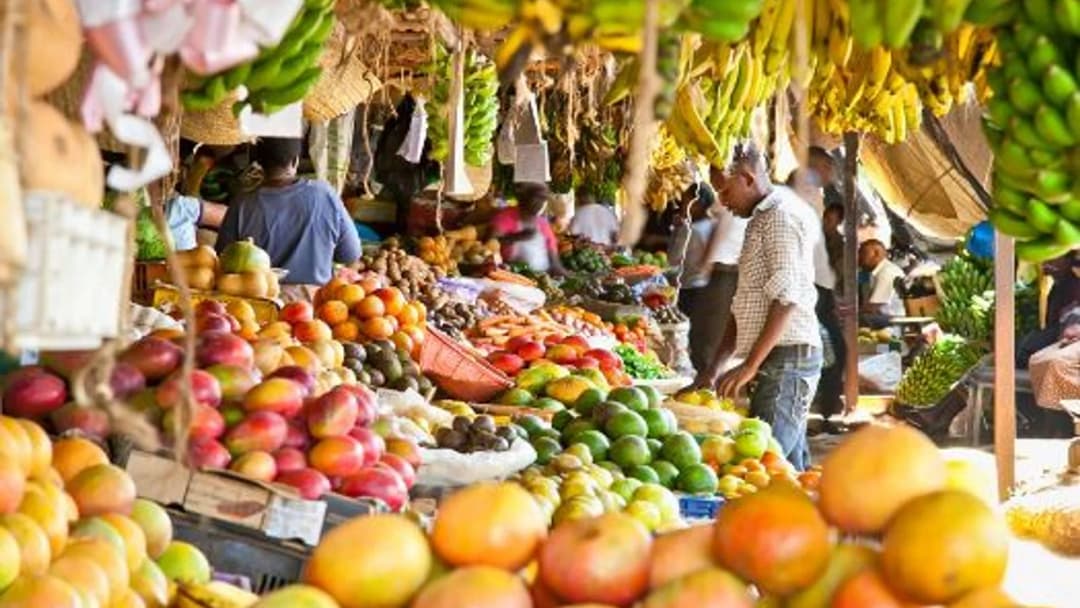
Food prices still account for the largest portion of inflation as they have increased by 7.3 per cent year, on, year and contributed over two percentage points to the total inflation rate.
Food Prices are a Major Concern Various staple food commodities experienced significant price hikes in February. The cost of a kilogram of cabbage went up to Sh74 from Sh71 the previous month. Irish potatoes went up to Sh102 per kilogram, while sukuma wiki price went up to almost Sh105 compared to last year.
Prices for maize grain and fortified maize flour also rose monthly, thus leaving the already strained household budgets due to high food costs even more stressed. Nonetheless, there was a bit of respite in some sugar categories.
Sugar prices fell 4.4 per cent in February down to Sh166 per kilogram. The main reason for the fall in sugar prices is the improved local supply as a result of the cane harvesting cycles. Besides sugar, the prices of mangoes and wheat flour also edged down during the month.
The transport sector and utilities are showing conflicting trends
Monthly drops in electricity and fuel prices in the transport sector are spite of reduced global oil prices and tariff adjustments, thus, reflecting a scenario of short, term consumer relief.
However, transport costs are still 4 per cent higher than last year same time, demonstrating that there are still pressures in the vital services.
Core inflation, which by definition excludes items that tend to fluctuate in price like food and fuel, decelerated to 2.1 per cent in February, thus, signifying the underlying price trends are relatively stable. On the other hand, non, core inflation was at 10.1 per cent, thus still indicating a high level of fluctuations in essential commodities.
The recent data imply that even though headline inflation is still at a level that can be managed, the price of food is a heavy burden on Kenyan families hence, limiting the overall impact of the reductions in energy and transport costs.