Kenya has secured a significant financial commitment from Japan, with up to Sh22 billion in Samurai Financing earmarked to strengthen the country’s local vehicle assembly and parts manufacturing industry, while also addressing persistent energy transmission inefficiencies.
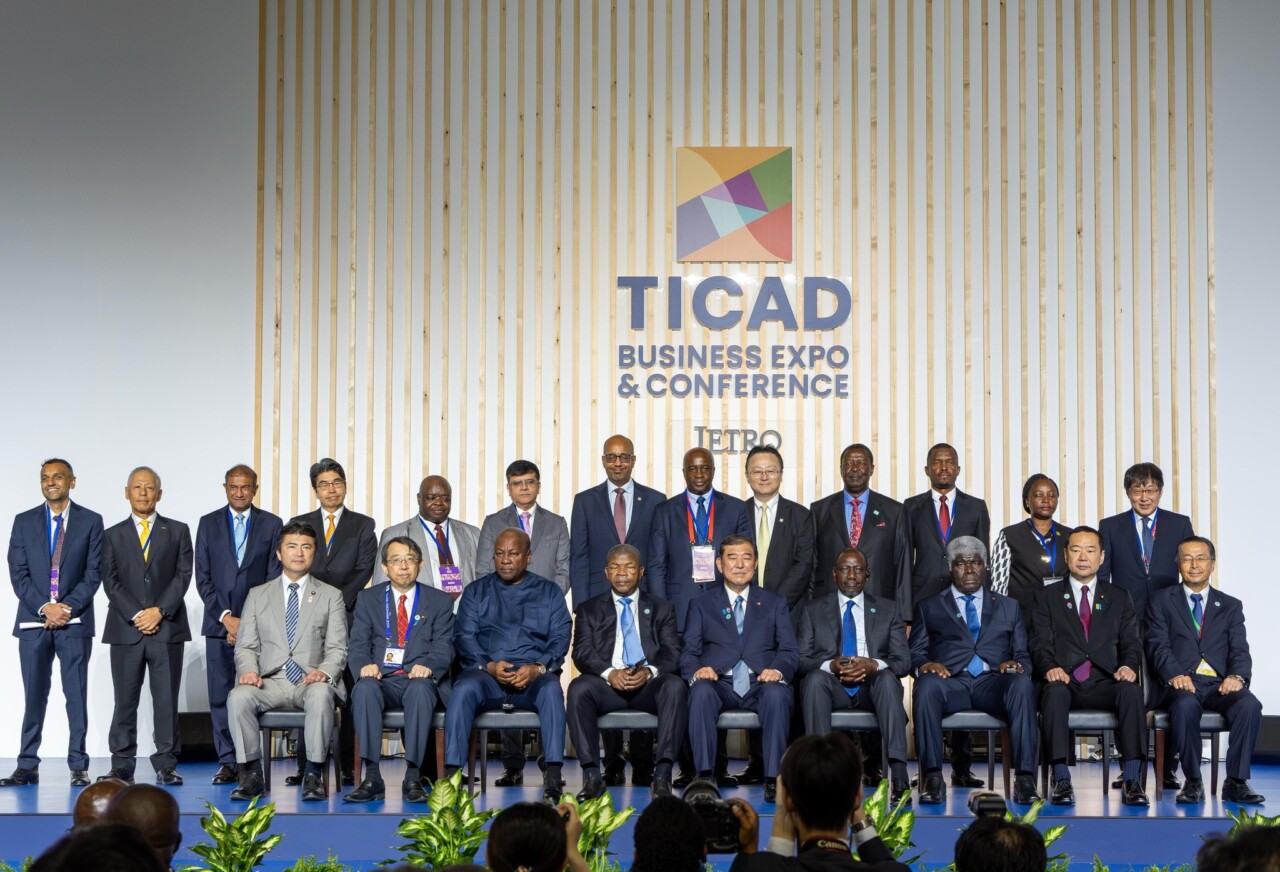
The announcement was made during the Ninth Tokyo International Conference on African Development (TICAD 9) in Yokohama, where Prime Cabinet Secretary and Foreign Affairs CS Musalia Mudavadi confirmed the deal.
He noted that the facility would support Kenya’s ambitious automotive sector growth while simultaneously reducing electricity transmission and distribution losses, which currently account for approximately 23 percent of national output.
“Kenya and Japan have formalized this commitment through the signing of a Memorandum of Understanding with Mr. Atsuo Kuroda, Chairman and CEO of Nippon Export and Investment Insurance (NEXI),” said Mudavadi.
The NEXI Samurai Facility was unveiled during a high-level ceremony witnessed by President William Samoei Ruto and Japan’s Prime Minister Shigeru Ishiba, on the sidelines of TICAD 9.
The facility is expected to be a cornerstone in deepening economic cooperation between the two nations.
PCS Mudavadi highlighted that the funds will be used to accelerate industrial development, create quality jobs, and foster innovation—particularly in the automotive sector, with a strong focus on the manufacture of electric vehicles (EVs).
“This unique Samurai financing facility will promote our transformative program to stimulate the entire automotive value chain, foster linkages with other sectors, and promote innovation, research, and development,” he said.
He added that the funding aligns with Kenya’s National Automotive Policy, which seeks to revitalize local manufacturing, gradually reduce reliance on imported used vehicles and parts, and position Kenya as a regional automotive hub.
Additionally, the Samurai facility is expected to significantly improve access to affordable and reliable electricity by addressing inefficiencies in the power transmission system.
It will also bolster fiscal stability, allowing the government to redirect savings toward other national development priorities.
“This is not just about cars; it’s about creating a sustainable industrial ecosystem that links energy, innovation, and manufacturing,” Mudavadi concluded.
The Samurai financing mechanism—named after Japan’s yen-denominated bonds offered to foreign entities—is part of Japan’s broader strategy to deepen economic ties with Africa through trade and investment partnerships.