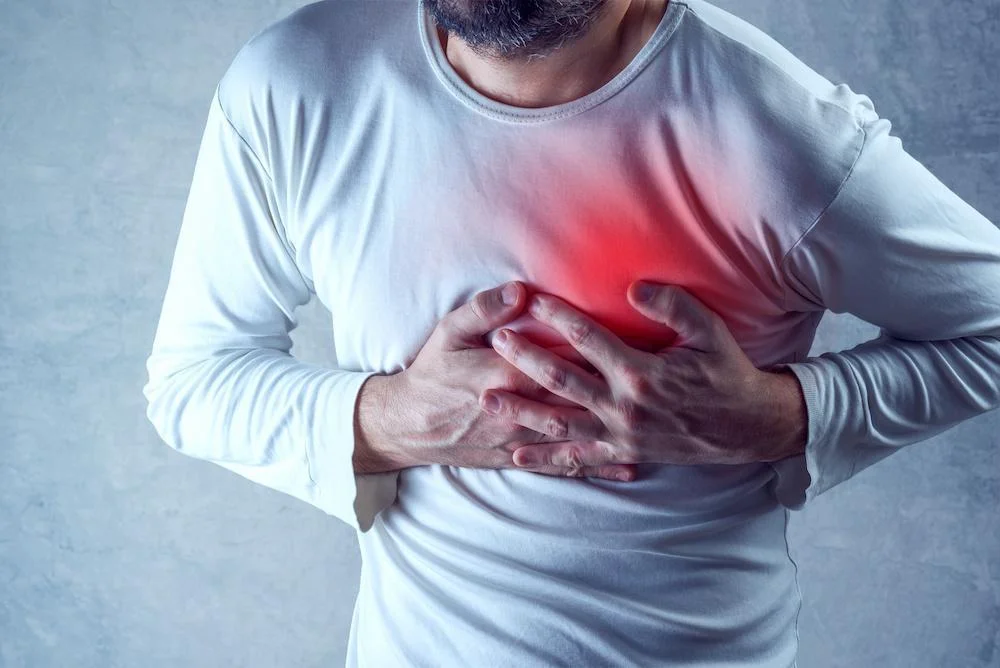
Chest pain or discomfort should never be ignored as it could signal a potentially life-threatening heart attack, health experts have warned.
People who develop sudden chest pain, particularly within minutes to an hour, are advised to seek urgent medical attention at a hospital equipped to diagnose and manage acute coronary emergencies.
At the emergency department, medical teams typically check blood pressure, pulse, oxygen levels and temperature before conducting an electrocardiogram (ECG), ideally within 10 minutes of arrival.
The ECG helps determine whether a patient may be experiencing an ST-elevation myocardial infarction (STEMI), a type of heart attack caused by a complete blockage of a coronary artery.
Other symptoms may include difficulty breathing, nausea or vomiting, sweating, dizziness or collapse. Pain may also spread to the arms, jaw, neck, upper abdomen or back.
Doctors may use blood tests, particularly troponin tests, alongside imaging to confirm the diagnosis.
For STEMI patients, restoring blood flow quickly is critical. Primary percutaneous coronary intervention (PCI), involving opening the blocked artery and inserting a stent, is considered the preferred treatment where available. Clot-dissolving medication may be used where PCI cannot be provided promptly.
Patients recovering from a heart attack are also advised to consult their cardiologist before resuming sexual activity or using erectile dysfunction medication, particularly when taking nitrate medicines.