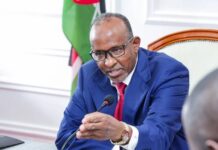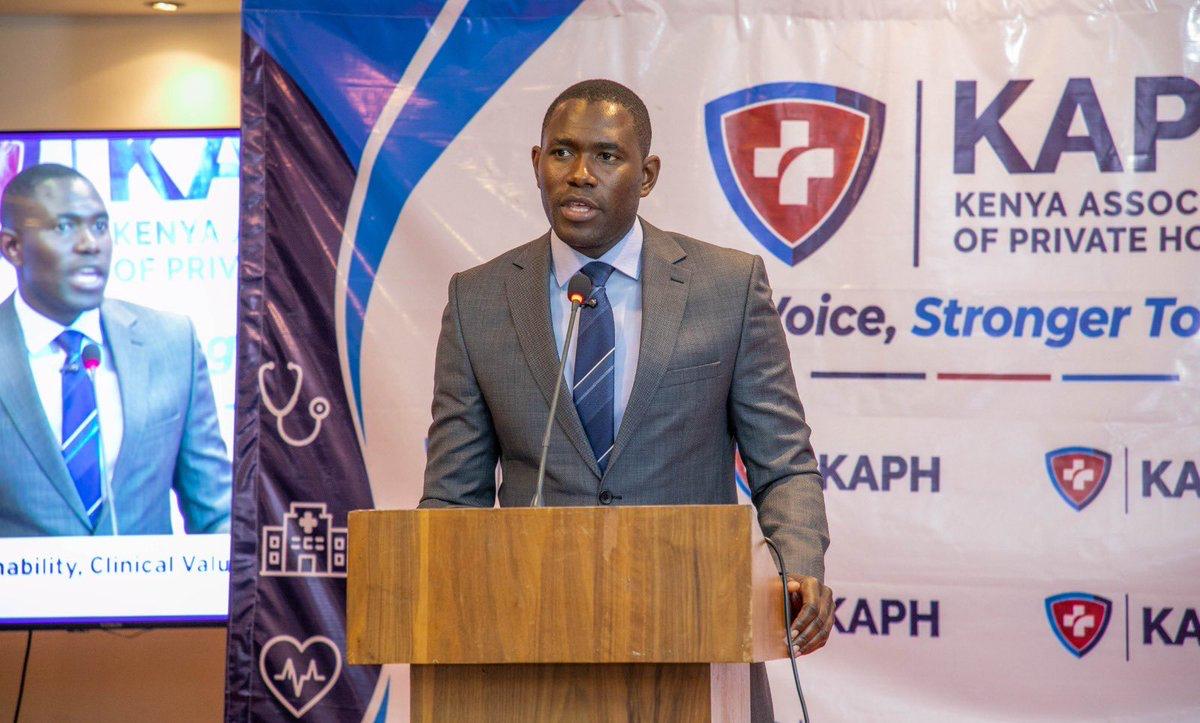
Medical Services Principal Secretary Dr Ouma Oluga has urged private hospitals to work more closely with the Government in efforts to make healthcare more affordable for Kenyans.
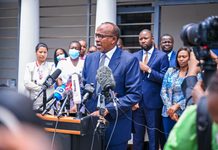
Speaking at the 5th Annual Convention of the Kenya Association of Private Hospitals (KAPH) in Nairobi, Oluga said the rising cost of treatment remained a major burden for many households.
He noted that some families were being forced to hold fundraisers, sell property or abandon treatment because they could not afford medical bills.
The convention was held under the theme “Cost of Care: Understanding the Drivers, Navigating the Future.”
Oluga said improving the quality of healthcare was one way of reducing costs, noting that delayed diagnosis, preventable complications and poor service delivery often lead to higher medical expenses.
“Poor quality is the most expensive thing in any health system,” he said.
The PS called on private healthcare providers to support the implementation of key health laws, including the Social Health Insurance Act, Primary Health Care Act, Digital Health Act and Facility Improvement Financing Act.
He said private hospitals had an important role to play in the implementation of Taifa Care and the government’s Universal Health Coverage agenda.
Oluga also pointed to an increase in health insurance coverage from 26 per cent to 40.3 per cent over the past two years.
He urged private hospitals to make their benefit packages clear and align them with Social Health Authority (SHA) arrangements so that patients can understand which services are covered and what additional costs they may have to pay.
On the cost of medicines, the PS encouraged private hospitals to explore purchasing supplies through the Kenya Medical Supplies Authority (KEMSA).
He said the Government was also engaging pharmaceutical manufacturers to secure more competitive prices.
The Ministry is further working to improve accountability in the pharmaceutical supply chain, with mandatory compliance with GS1 coding standards set for December 31, 2026.
Oluga also called for faster adoption of digital systems in both public and private health facilities, saying Health Management Information Systems would improve transparency, planning, procurement and decision-making.
He urged increased investment in local manufacturing of medicines and other health products, saying it would strengthen health security, create jobs and support economic growth.
The PS said Kenya was working towards attaining World Health Organization Maturity Level 3 in pharmaceutical regulation, a move aimed at improving confidence in locally manufactured products and opening up international markets.
Regarding the pending claims which have been passed on from the defunct National Hospital Insurance Fund (NHIF), Mr. Oluga addressed the concerns of the private hospitals and stated that the government is still committed to ensuring that the verified payments are settled.
Oluga explained that verified payments of less than KSh10 million have been cleared.
Moreover, the government will keep engaging the private health facilities as it strives to make healthcare affordable and accessible.
The event was graced by the CEO of Social Health Authority Dr. Mercy Mwangangi, Chairman of KAPH Dr. Eric Musau and Director of Healthcare Financing, Digital Health, Policy and Research Standards Dr. Nancy Njeru.
Also present were members of the Digital Health Authority, private health insurance firms, health regulatory authorities and development partners.