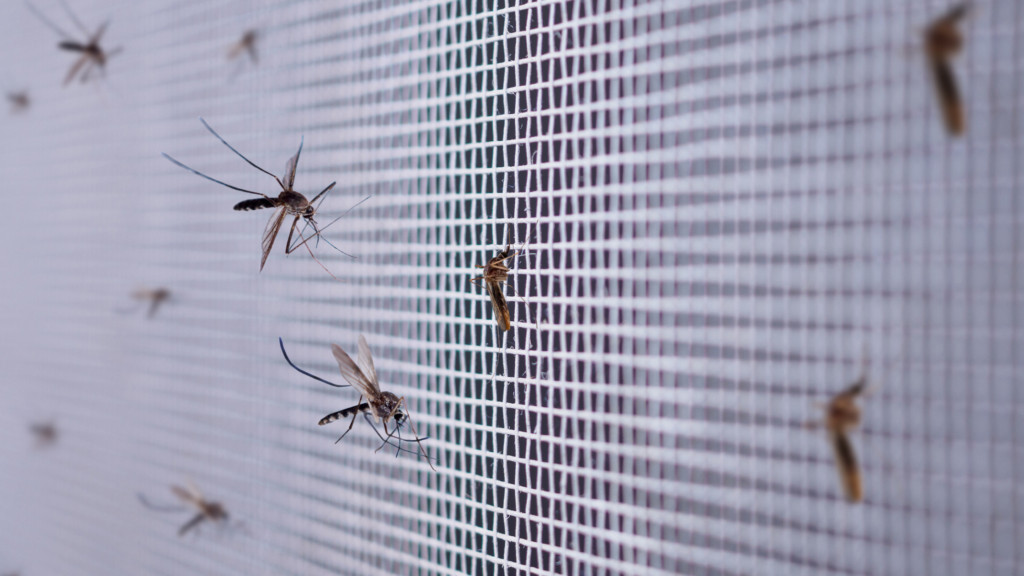
Players in the pest control industry have called on the government to exempt mosquito repellents—especially those used in the fight against malaria—from Value Added Tax (VAT), citing the need to make such essential products more affordable for millions of Kenyans in malaria-prone regions.
Speaking during public hearings on the Finance Bill 2025 before the National Assembly Finance Committee, SC Johnson Company emphasized that exempting raw materials used in the manufacture of spatial mosquito repellents would significantly reduce production costs and retail prices.
The company warned that the continued imposition of a 16 percent VAT on these products—currently not listed as zero-rated—poses a barrier to effective malaria control, especially among vulnerable populations.“Removing VAT on these repellents is not just an economic issue; it’s a public health imperative,” a representative from SC Johnson told lawmakers.
Meanwhile, the Kenya Association of Air Operators faced tough questions from the committee as it defended existing tax incentives granted to the aviation industry. Committee members questioned the tangible benefits and growth the sector has delivered in return for the fiscal support extended over the years.
The Finance Bill 2025 proposes the reintroduction of VAT, Import Declaration Fees (IDF), and the Railway Development Levy (RDL) on aircraft parts and maintenance services—moves that aviation stakeholders argue will drive up operational costs and impact service delivery.
While pest control players framed their appeal around public health priorities, the aviation industry found itself under pressure to justify continued exemptions in light of what lawmakers termed “limited sectoral performance.”
As Parliament continues deliberations on the Finance Bill 2025, stakeholders across various sectors are bracing for decisions that could significantly affect operational costs, public health outcomes, and economic competitiveness.