A high-level meeting between lawmakers and key government agencies has exposed funding gaps threatening the rollout of Kenya’s new disability law, even as authorities push for stricter compliance measures across public institutions.
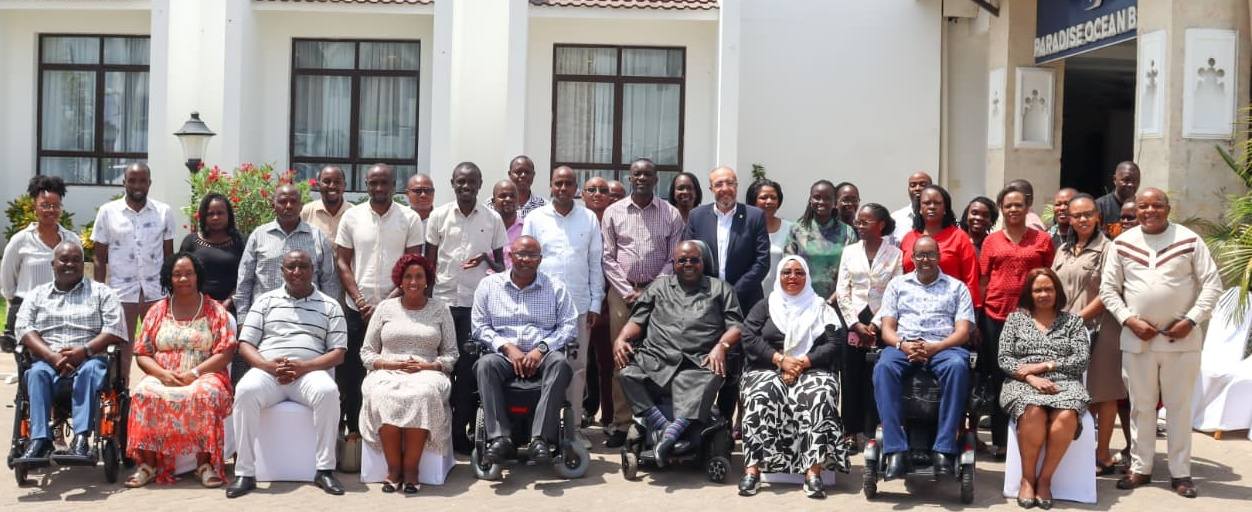
The National Council for Persons with Disabilities (NCPWD) on Wednesday, March 18, engaged Members of Parliament drawn from the Committee on Social Protection alongside the Kenya Disability Parliamentary Association to review progress in implementing the Persons with Disabilities Act, 2025.
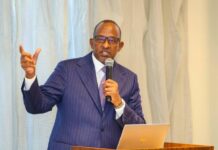
Speaking during the session, NCPWD Chief Executive Officer Dr. Michael Munene reaffirmed the Council’s commitment to fully operationalizing the law, emphasizing structured stakeholder engagement and stronger inter-agency coordination as key drivers.
A major proposal from the Council is the enforcement of mandatory annual compliance audits across all government institutions.
Ministries, Departments, and Agencies (MDAs) will now be required to submit reports demonstrating adherence to the constitutional threshold that reserves at least five percent of public sector jobs for persons with disabilities.
The Council warned that failure by MDAs to comply with statutory provisions could undermine the intent of the new law, which seeks to enhance inclusion, accessibility, and economic empowerment for persons living with disabilities.
The meeting brought together a wide range of influential state agencies, including the Public Service Commission, National Police Service, Teachers Service Commission, Kenya Airways, Kenya Airports Authority, Kenya Revenue Authority, and the Ministry of Youth Affairs, Creative Economy and Sports.
Their presence signaled growing consensus that disability inclusion requires coordinated action across sectors, particularly in employment, transport, education, and public service delivery.
However, despite the strong show of support, stakeholders cautioned that the biggest obstacle to the success of the 2025 Act remains inadequate funding.
MPs were told that without increased budgetary allocation, critical programs; such as assistive devices provision, workplace adaptation, and enforcement mechanisms, risk stalling.
Kenya’s Persons with Disabilities Act, 2025, is seen as a major step in aligning the country with international commitments such as the UN Convention on the Rights of Persons with Disabilities.
But as discussions at the meeting revealed, its success will largely depend on whether the government backs policy commitments with sufficient financial resources.