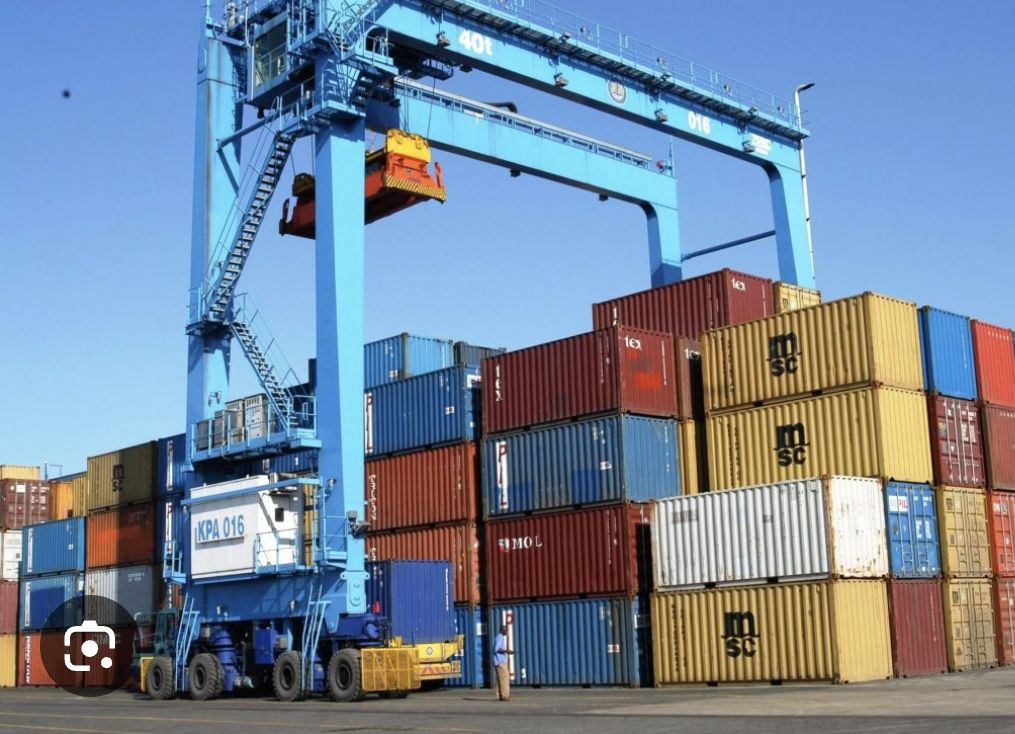
Importers and transporters using Mombasa Port could soon get some relief after the Kenya Revenue Authority (KRA) and the Kenya Ports Authority (KPA) announced fresh measures to ease congestion and speed up cargo clearance.
The two agencies, in a statement released on Saturday, said the reforms are aimed at fixing long-standing bottlenecks that have slowed operations at the port and driven up the cost of doing business.
KRA Commissioner General Humphrey Wattanga said the changes mark a deliberate shift towards a more efficient and predictable port system, backed by better use of technology.
“The Port of Mombasa is not only a national asset but a critical regional gateway,” Wattanga said. “Our focus is to remove bottlenecks, cut cargo dwell time and build a clearance system that traders can rely on.”
One of the key steps announced is the removal of cargo that has overstayed at the port for more than 21 days and is already marked for auction or destruction.
According to KRA, such consignments will be moved to designated container freight stations, starting with cargo piled up at the G-section of the port. Officials say this will free up badly needed yard space and improve the flow of cargo in and out of the port.
Port users have for years complained that overstayed cargo clogs the port, slowing down clearance for compliant traders.
KRA also plans to expand pre-arrival processing, allowing cargo documentation and checks to be done before ships arrive at the port.
The system will prioritise bulk cargo, low-risk goods and consignments belonging to authorised economic operators. The authority says this should significantly reduce waiting times and help traders plan their logistics better.
For many businesses, delays at the port often mean extra storage charges and disrupted supply chains.
To deal with frequent shortages of electronic cargo tracking seals, KRA announced plans to open up the system to multiple vendors through an expression of interest process.
Wattanga said the move is expected to ensure steady supply of seals and avoid disruptions that have previously stalled cargo movement along key transit routes.
As part of the wider reforms, KRA and KPA said they will work with the Kenya Railways Corporation to deploy more wagons on the Standard Gauge Railway. This is expected to speed up the transfer of cargo to inland container depots in Embakasi and Naivasha, easing pressure at the coast.
The two agencies also agreed to increase the use of Lamu Port for transhipment cargo, a move aimed at reducing congestion at Kilindini Harbour while making better use of Kenya’s northern port.
Meanwhile, KPA has set aside a dedicated area within the port for handling empty containers, a problem that has often contributed to congestion and operational delays.
The reforms were unveiled during a high-level meeting chaired by Wattanga and KPA Managing Director William Ruto, bringing together key players in the maritime and logistics sector.
For traders who depend on the Port of Mombasa, the announcements offer cautious hope that cargo clearance could finally become faster, cheaper and less unpredictable — a long-standing demand from businesses across Kenya and the region.