Rapid urbanisation and changing eating habits are raising concerns among healthcare professionals over the growing risk of lifestyle-related diseases in Kenya’s industrial towns, with residents being urged to embrace preventive healthcare.
Mount Kenya University School of Pharmacy Alumni Network (MKU-SPAN) President Dr Njoroge Kanyua said changes in daily routines, reduced physical activity and increased consumption of processed foods were exposing more people to risk factors associated with Type 2 diabetes.
Speaking on Saturday during a World Diabetes Day medical camp at General Kago Primary and Junior Secondary School in Thika, Dr Kanyua said the changing lifestyles in urban centres required greater public awareness and regular medical screening.
He pointed to sedentary lifestyles, limited opportunities for exercise and increased consumption of fast foods as some of the factors contributing to the risk of developing diabetes.
He also noted that employees in industrial establishments often spend long hours at work, leaving them with little time to engage in physical activities or attend routine medical check-ups.
Dr Kanyua warned that the challenge was compounded by the fact that many people could be living with diabetes without experiencing noticeable symptoms, delaying diagnosis and treatment.
“Many people are living with diabetes without knowing it. We are encouraging Kenyans to take early tests and make regular medical check-ups part of their lives instead of waiting until they develop symptoms before seeking medical attention,” he said.
He emphasised that early screening could help identify people at risk and enable those diagnosed with the condition to seek timely medical attention and prevent serious complications.
According to Dr Kanyua, poorly managed diabetes can lead to kidney disease, vision loss, nerve damage and cardiovascular conditions, placing additional financial pressure on affected families.
He urged Kenyans to adopt healthier eating habits, exercise regularly and maintain healthy body weight as part of efforts to reduce their risk of developing Type 2 diabetes.
He also called on employers to introduce workplace medical screening programmes to help workers monitor their health despite demanding work schedules.
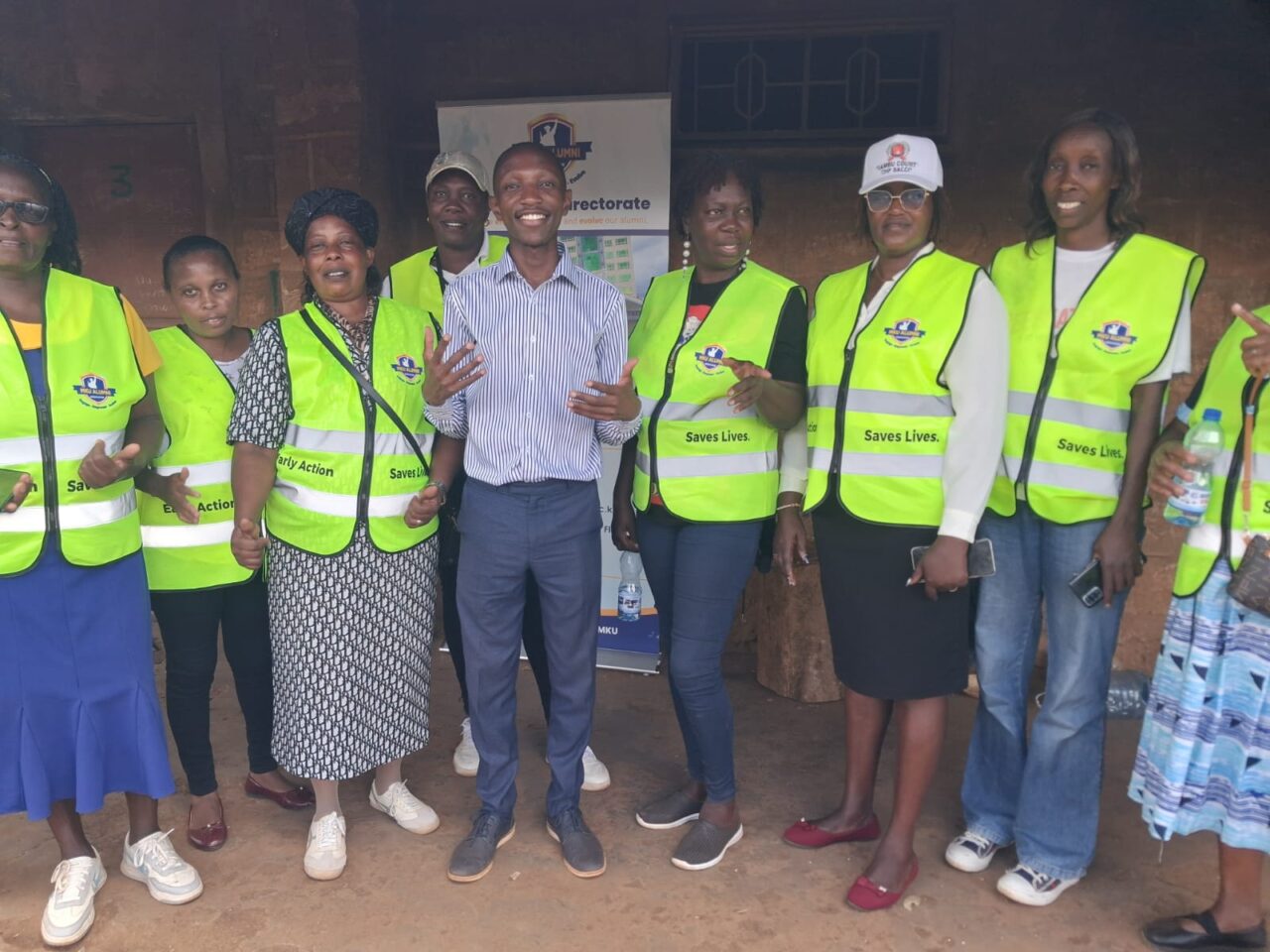
The concerns were highlighted during a free medical camp organised by MKU-SPAN in partnership with the Mount Kenya University Pharmacy Students Association (MKUPSA) and the Thika District Business Association (TDBA) to mark World Diabetes Day.
The Saturday event brought healthcare services closer to residents, who accessed diabetes screening, blood pressure checks, cancer screening, optical and dental services, mental health support, physiotherapy and laboratory investigations.
Dr Kanyua said community-based medical camps were important in improving access to preventive healthcare, particularly for residents who might delay medical examinations due to financial constraints or work commitments.
He urged those who recorded abnormal screening results to seek further medical assessment and maintain regular follow-up with healthcare professionals.