As dawn broke over the shimmering waters of Lake Victoria, Homa Bay town stirred to life with excitement and national pride. The 61st Madaraka Day celebrations, held at the 12,000-seater Raila Odinga Stadium, unfolded in stunning spectacle, drawing thousands from across the country in a moving tribute to Kenya’s self-rule.
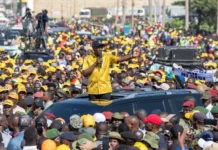
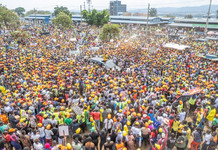
Long before sunrise, the stadium was filled to capacity. Outside, enthusiastic crowds gathered at all eight gates, eager to be part of the historic moment. By mid-morning, the stadium had become a sea of color, sound, and anticipation, with flags waving and patriotic songs echoing beyond its walls.
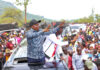
Under crisp blue skies and blazing sun, Kenyans of all walks of life—dignitaries in suits, elders in traditional regalia, and youth draped in national colors—streamed into the venue. The national pride was palpable, as thousands braved the heat, thirsting for a day of celebration, remembrance, and unity.
The event officially began upon the arrival of President William Ruto and his entourage, marked by a rousing parade from the disciplined forces. The synchronized beat of military boots striking the ground filled the air with a rhythmic echo of sovereignty and sacrifice.
Overhead, Kenya Air Force jets performed spectacular aerial stunts, leaving trails of colored smoke in their wake. The show reached new heights—literally—when daring parachuters jumped from a helicopter at 6,000 feet, free-falling before releasing their parachutes mid-air and landing precisely in front of the cheering crowd.
Beyond the military might, the celebrations centered on a theme close to the region’s heart: the Blue Economy and Maritime Affairs. School children stole the show with beautifully choreographed human formations on the stadium pitch. Their bodies formed words and images—‘Homa Bay’, a ship, a native fish species from Lake Victoria—all representing the county’s close relationship with the lake and the national commitment to sustainable exploitation of marine resources.
Traditional culture also took center stage. Dance troupes from Karachuonyo and Suba electrified the crowd with energetic performances set to the rhythms of the orutu and nyatiti. Dancers stomped the ground and swayed their shoulders in unison, telling stories of heritage, resilience, and identity.
From military might to school artistry and cultural pride, the event reflected a nation not only remembering the past but also boldly charting its future. Every moment, every beat, and every performance paid homage to the spirit of Madaraka—the day Kenya took its first step toward self-governance in 1963.
As the final cheers faded and the sun began its descent over Lake Victoria, one thing was clear: this was not just a date on the calendar, but a deeply moving reminder of Kenya’s journey, its unity, and its unstoppable resolve to rise—together.