The government has proposed an allocation of KSh 784.5 billion to the education sector in the 2026/2027 financial year, underscoring the government’s commitment to strengthening human capital development.
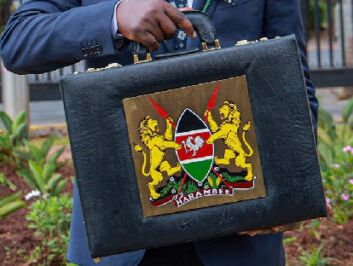
Presenting the national budget in Parliament, the Cabinet Secretary for National Treasury and Economic Planning John Mbadi said the investment will enhance quality learning, training, and research, while promoting equity, inclusivity, and alignment of education with labour market demands in a rapidly evolving technological environment.
The allocation represents 26.4% of the ministerial budget, up from 24.5% in 2021/2022, when education spending stood at KSh 526 billion, marking a 49% increase over the period.
BREAKDOWN OF EDUCATION SPENDING
Basic Education and School Support
The government has allocated significant funding to foundational learning, including:
•KSh 136.6 billion for basic education
•KSh 54.6 billion for free primary and secondary education
•KSh 7 billion for Free Primary Education support
•KSh 3 billion for the school feeding programme (up from KSh 2.2 billion in 2022)
In addition, KSh 9.9 billion has been set aside for national examinations administration.
Junior Secondary and Competency-Based Curriculum Support
The budget also prioritises junior secondary education under the competency-based curriculum framework, with allocations contributing to a combined KSh 485.3 billion for free and junior secondary education support programmes.
Teacher Recruitment and Welfare
Expansion of Teaching Workforce
The government highlighted major gains in teacher recruitment and welfare improvement, including:
•Employment of over 100,000 teachers to strengthen learning outcomes
•Continued hiring of 20,000+ teachers annuallyConversion to Permanent Terms
To improve job security and morale, the Treasury proposed:KSh 4.9 billion for conversion of 20,000 teachers to permanent and pensionable terms
•Conversion of an additional 24,000 newly recruited teachers under similar terms
•KSh 1.5 billion allocated for settlement of teacher arrears before the end of the financial year
Higher Education and Scholarships
Expanded Access to University Funding
Higher education funding has seen a significant increase, with:
•KSh 163.9 billion for higher education (up from KSh 105 billion in 2022)
•KSh 56.3 billion for higher education loans and scholarships (up from KSh 15.39 billion in 2022)
•KSh 30.9 billion for university scholarshipsKSh 9.2 billion for TVET scholarships
Additional allocations include:
•KSh 6.7 billion for Cooperative Practice Areas in universities
•KSh 5.9 billion for ongoing university infrastructure projectsInfrastructure and Skills Development
Learning Facilities Expansion
To improve learning environments and skills training, the government has allocated
•KSh 4.1 billion for primary and secondary school infrastructure
•KSh 2.1 billion for construction and equipping of TVET institutions
•KSh 7.1 billion for Kenya Primary Education Equity and Learning Programme
•KSh 4.7 billion for secondary education development programmesTVET and Skills Training Growth
Technical and Vocational Education and Training (TVET) continues to expand significantly, with enrolment rising from 562,499 trainees in 2022 to 825,484 in 2025, reflecting increased demand for skills-based education aligned with the labour market.
Education Sector Reforms and Achievements
The Treasury highlighted key reforms driving improvements in the sector, including:
•Implementation of the Competency-Based Curriculum (CBC)Rollout of a student-centered funding model, benefiting nearly 500,000 university students
•Construction of over 23,000 classrooms nationwide
•Development of 1,600 laboratories in partnership with the National Government Constituencies Development Fund (NG-CDF)Consistent and timely disbursement of capitation funds to schools.
The 2026/2027 education budget reflects one of the largest investments in Kenya’s human capital development agenda, with expanded funding for basic education, higher learning, teacher welfare, infrastructure, and skills training aimed at improving access, equity, and economic competitiveness.