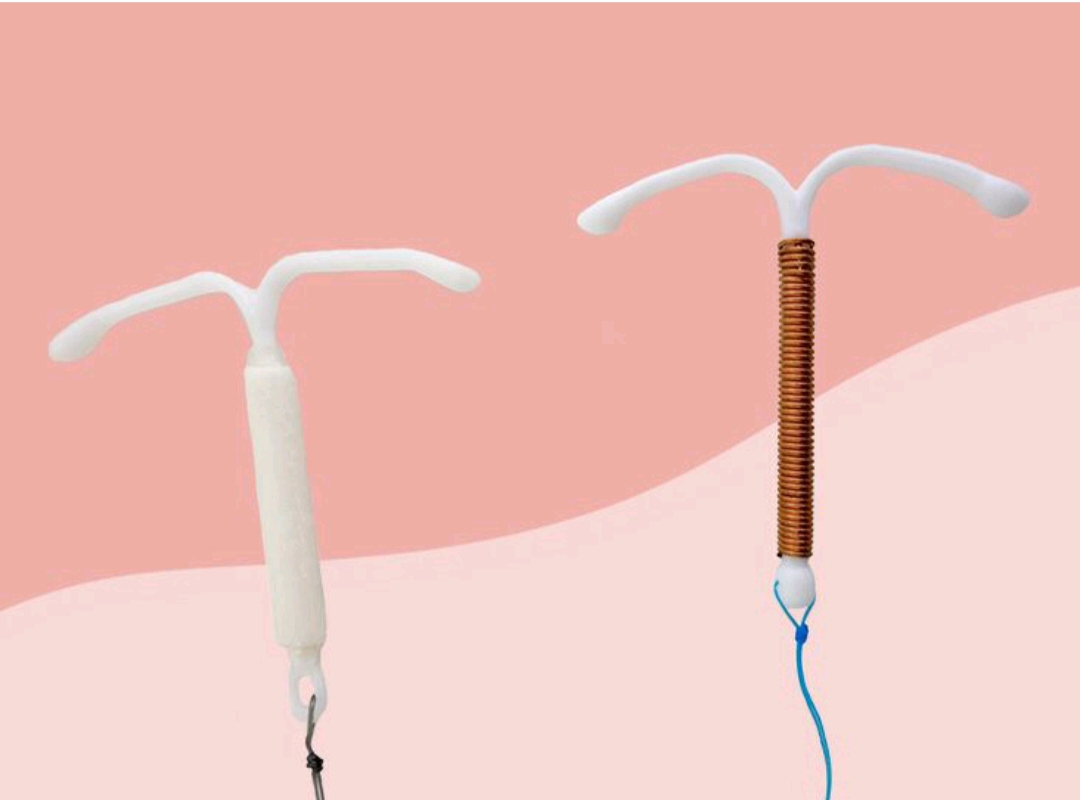
In a groundbreaking move, Kenya’s government has introduced Hormonal Intrauterine Devices (IUDs), a modern contraceptive method, in public health facilities at no cost to women.
Previously, these IUDs were only available in private hospitals, costing between KES 20,000 and KES 35,000, making them inaccessible to many.
The Hormonal IUD, which not only prevents pregnancy but also treats conditions like menorrhagia (heavy menstrual bleeding), is now available to more women across the country.
This development comes after years of preparation. In 2015, the World Health Organization (WHO) added hormonal IUDs to its Essential Medicines List, and by 2019, Kenya had included it on the national list.
However, it took another nine years to ensure the service’s safety and affordability within public health facilities. Dr. Albert Ndwiga, Head of Family Planning, emphasized that this introduction offers women more contraceptive choices, particularly those unable to afford private care or seeking alternatives to traditional methods.
Healthcare workers across the country have been rigorously trained to offer the service. Jhpiego, an international health NGO, played a vital role in these efforts, training an initial group of 30 specialists who then educated other healthcare providers.
This process ensured that quality care would be available in public facilities, as providers learned how to counsel and administer hormonal IUDs safely.As of now, 6,816 devices have been dispensed, with Nairobi and Homa Bay leading the distribution.
Kenya’s move is a significant step toward improving women’s reproductive health, expanding access to affordable contraception, and empowering women with more healthcare options.