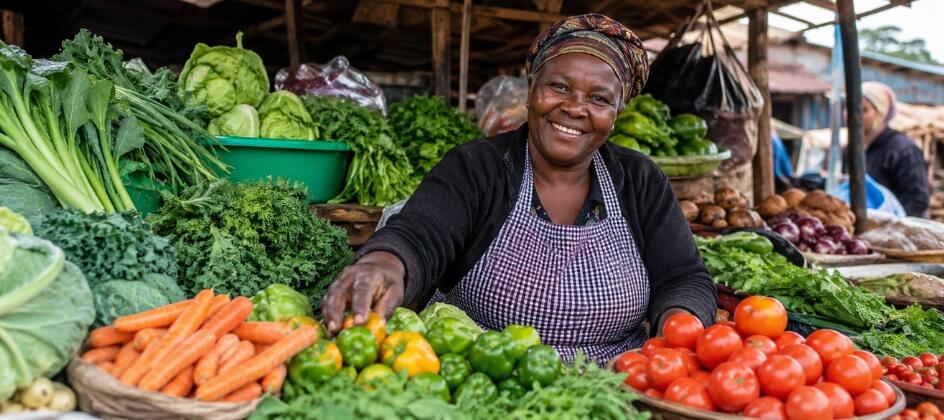
Kenya’s annual inflation rate rose to 6.8 percent in September 2026, up from 6.6 percent in August, largely driven by higher core inflation, according to the Central Bank of Kenya (CBK).
Core inflation increased to 4.0 percent from 3.4 percent during the period, with the CBK attributing the rise mainly to higher prices of processed food items, particularly milk and wheat products.
Non-core inflation, however, eased to 14.0 percent from 14.7 percent, cushioning the overall increase in consumer prices.
The Kenya Shilling remained relatively stable against major international and regional currencies during the week ending October 1. The currency traded at KSh129.71 against the US dollar on October 1, compared with KSh129.48 on September 24.
Kenya’s foreign exchange reserves stood at USD14.93 billion, equivalent to 6.1 months of import cover, as of October 1. The level remains above the CBK’s statutory requirement to maintain at least four months of import cover.
The domestic money market also remained liquid, with commercial banks’ excess reserves averaging KSh22.1 billion above the 3.25 percent Cash Reserve Ratio requirement.
The Kenya Shilling Overnight Interbank Average (KESONIA) remained unchanged at 8.75 percent.
In the government securities market, Treasury bills attracted bids worth KSh47.7 billion against an advertised KSh28 billion, representing a performance rate of 170.4 percent. Interest rates on the 91-day, 182-day and 364-day Treasury bills declined.
At the Nairobi Securities Exchange, the NASI, NSE 25 and NSE 20 indices fell by 0.66 percent, 0.91 percent and 0.95 percent respectively. Equity turnover declined by 56.43 percent.
Meanwhile, global inflationary pressures persisted, with Germany’s inflation rising to 3.3 percent. The US economy expanded by 2.2 percent in the second quarter, while the US Dollar Index strengthened by 0.80 percent during the week.