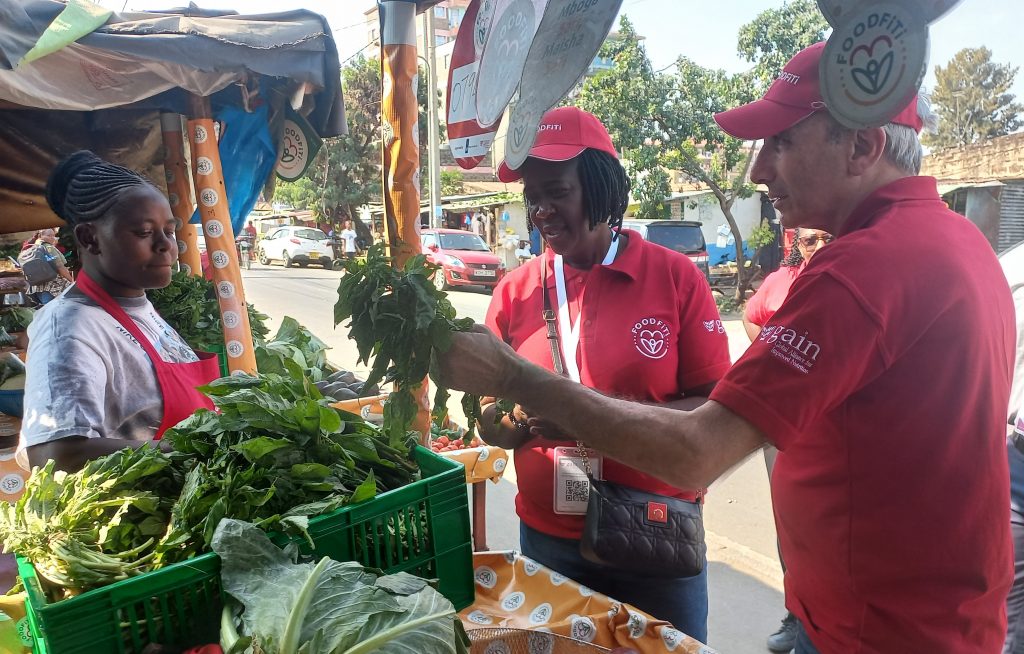
The Global Alliance for Improved Nutrition (GAIN) has launched a new partnership with five counties aimed at increasing vegetable consumption and improving food safety across Kenya.
The initiative, rolled out under the “Vegetables for All” program, targets the training of over 100,000 ‘last mile’ vegetable vendors to help bridge the nutrition gap in the country.
According to GAIN, Kenya’s average daily vegetable intake per person ranges between 100 and 150 grams — far below the World Health Organization’s recommended minimum of 400 grams.
The initiative seeks to address this shortfall by equipping vendors with skills to create public awareness on the health benefits of vegetables and apply innovative sales techniques to encourage more purchases.
Speaking during the launch, GAIN’s program coordinator emphasized the role of vegetable vendors in shaping household nutrition habits. “These vendors are at the frontline of food access in urban and underserved areas. By training them, we are empowering communities to make healthier food choices,” the coordinator said.
Beyond boosting consumption, the program also places a strong focus on food safety. Vendors will be trained in proper handling and cleaning of vegetables to minimize the risk of disease transmission through contaminated produce.
This includes education on hygiene practices and the importance of safe storage and display of vegetables in open markets.In tandem with the vendor training, vegetable farmers are being encouraged to reduce reliance on chemical inputs and transition to organic production methods.
This, according to GAIN, will further ensure that vegetables sold in Kenyan markets are safe and nutritious.The “Vegetables for All” initiative will prioritize vendors operating in urban centers and counties where vegetable consumption remains significantly low.
Through strategic partnerships and community-based training programs, GAIN hopes to build a healthier population and promote sustainable food systems.
With lifestyle diseases on the rise and nutrition-linked health concerns becoming more prevalent, the program is a timely intervention that aligns with national and global goals to improve public health through diet.