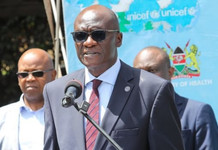
In a candid appeal during the Devolution Conference 2025, Dr. Ouma Oluga, Principal Secretary in the State Department for Medical Services, called on leaders, health workers, and communities to move beyond token gestures and commit to real inclusion for persons living with disabilities.
Speaking at a side event hosted by assistive technology partnership ATScale, Dr. Oluga did not shy away from addressing a long-standing challenge: stigma.
He noted that despite efforts by government and partners, many Kenyans with disabilities remain invisible not because they don’t exist, but because families are still hesitant to come forward.
“We have to be honest,” Dr. Oluga said. “There are still deep-rooted fears and shame around disability in many of our communities. This prevents people from registering for support and it hurts those who need our help the most.”
Registration numbers for assistive technologies, he explained, fall far short of the real demand. Without accurate data, health services cannot respond effectively leaving many without the devices or care they need to live dignified, independent lives.
While acknowledging the progress made including the training of health workers and wider distribution of assistive devices Dr. Oluga said this is just the beginning.
“We’re making strides, yes. But we must invest more in understanding the full spectrum of needs. Inclusion isn’t just about handing out equipment it’s about dignity, access, and equal participation in society,” he added.
His remarks come at a time when Kenya is grappling with shifting donor priorities. International funding, once a lifeline for many health programs, is gradually shrinking. Dr. Oluga urged the government to look inward for sustainable solutions.
“Donors may come and go. But disability is a lifelong reality. We need innovative local funding models to ensure no one is left behind,” he said.
He also stressed the need for more training across the health sector, arguing that without the right knowledge, even well-meaning interventions can fall flat.
“We need to equip our health workers not just with tools, but with understanding. They should know how to identify needs and recommend the right assistive technologies. This is about giving people the ability to thrive.”