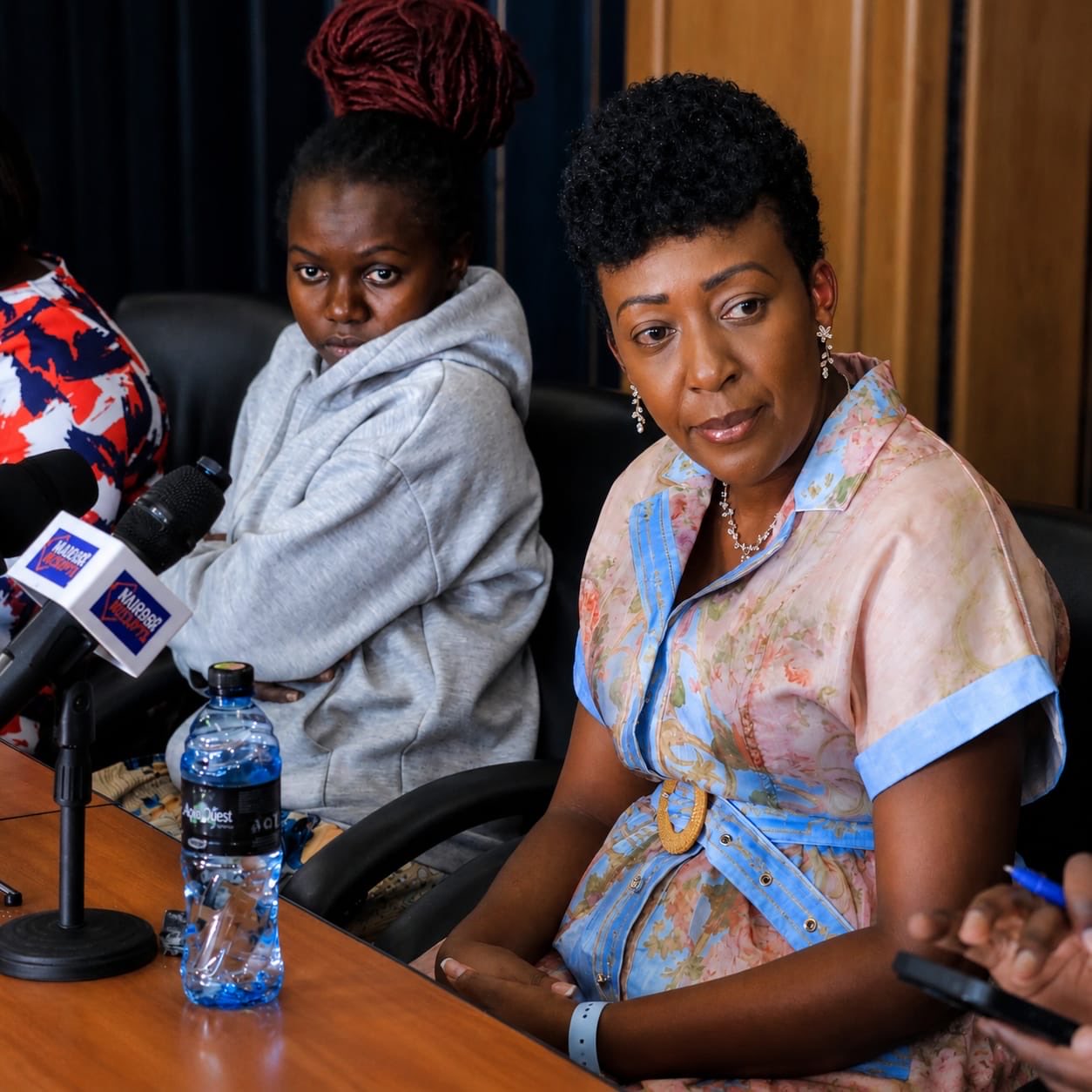
A young woman from Meru whose painful medical condition sparked nationwide sympathy after her story went viral on social media has now officially been onboarded into the Social Health Authority (SHA), paving the way for her to access specialized treatment.
Abigael Kendi, a KCSE candidate from Central Imenti who impressed many Kenyans after emerging with strong exam results despite battling a rare congenital condition, visited SHA headquarters on Wednesday alongside nominated Senator Tabitha Mutinda to fast track urgent medical processes linked to her treatment.
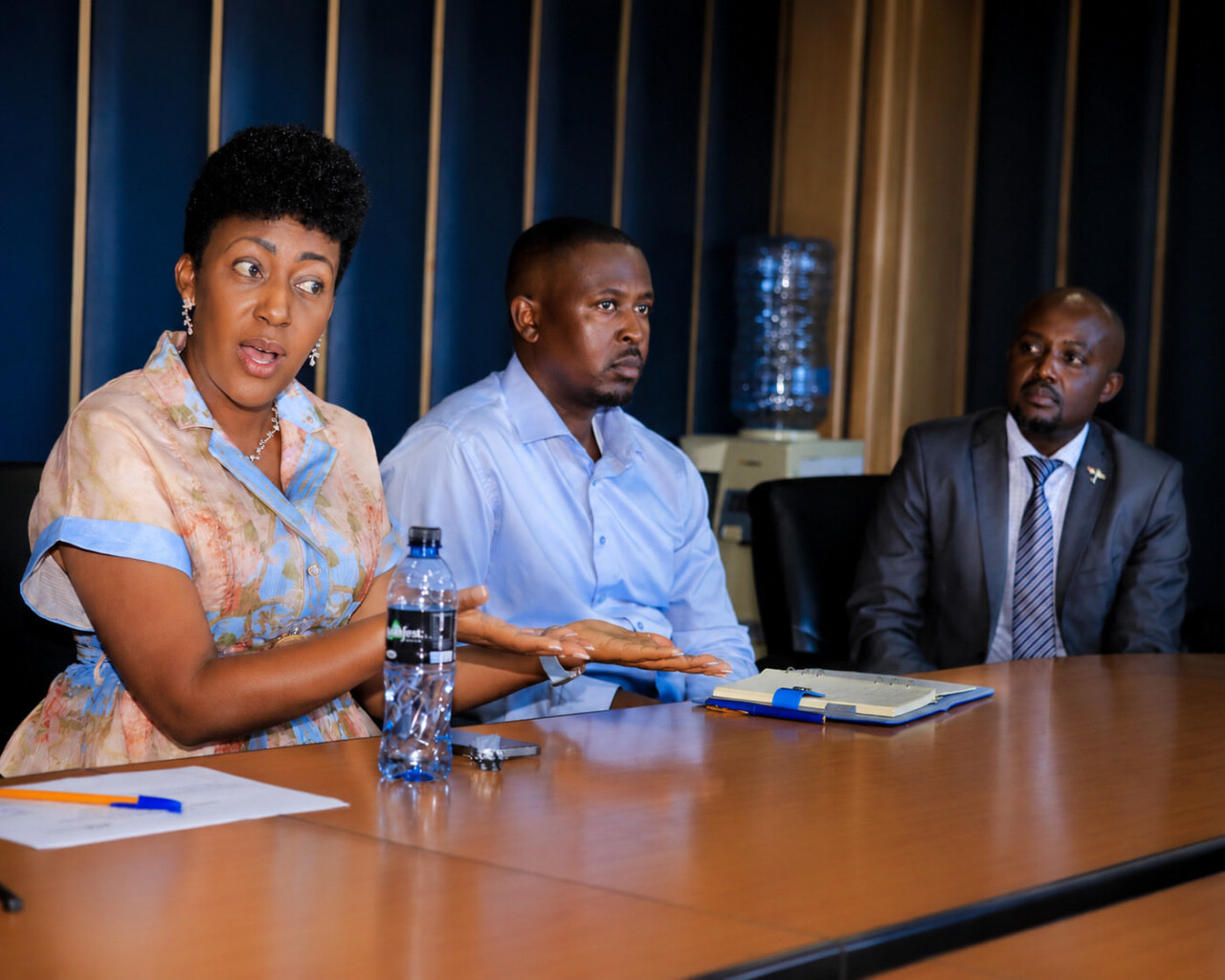
Kendi has been seeking treatment for a rare congenital Müllerian duct anomaly, a reproductive health condition that affects the development of female reproductive organs and often requires highly specialized and expensive medical care.
Her story recently ignited emotional reactions online after details of her condition and struggles emerged on social media, with many Kenyans calling for government intervention.
In what is now being viewed as one of the first major public response tests for the newly rolled out SHA system, officials confirmed that Kendi had successfully been onboarded and had already begun the process of pursuing the urgent medical attention she requires.
The student was accompanied by her mother, Fridah Ntinyari, and a team of media personalities and digital content creators led by Obidan Adela, whose online campaign helped amplify her case and draw national attention.
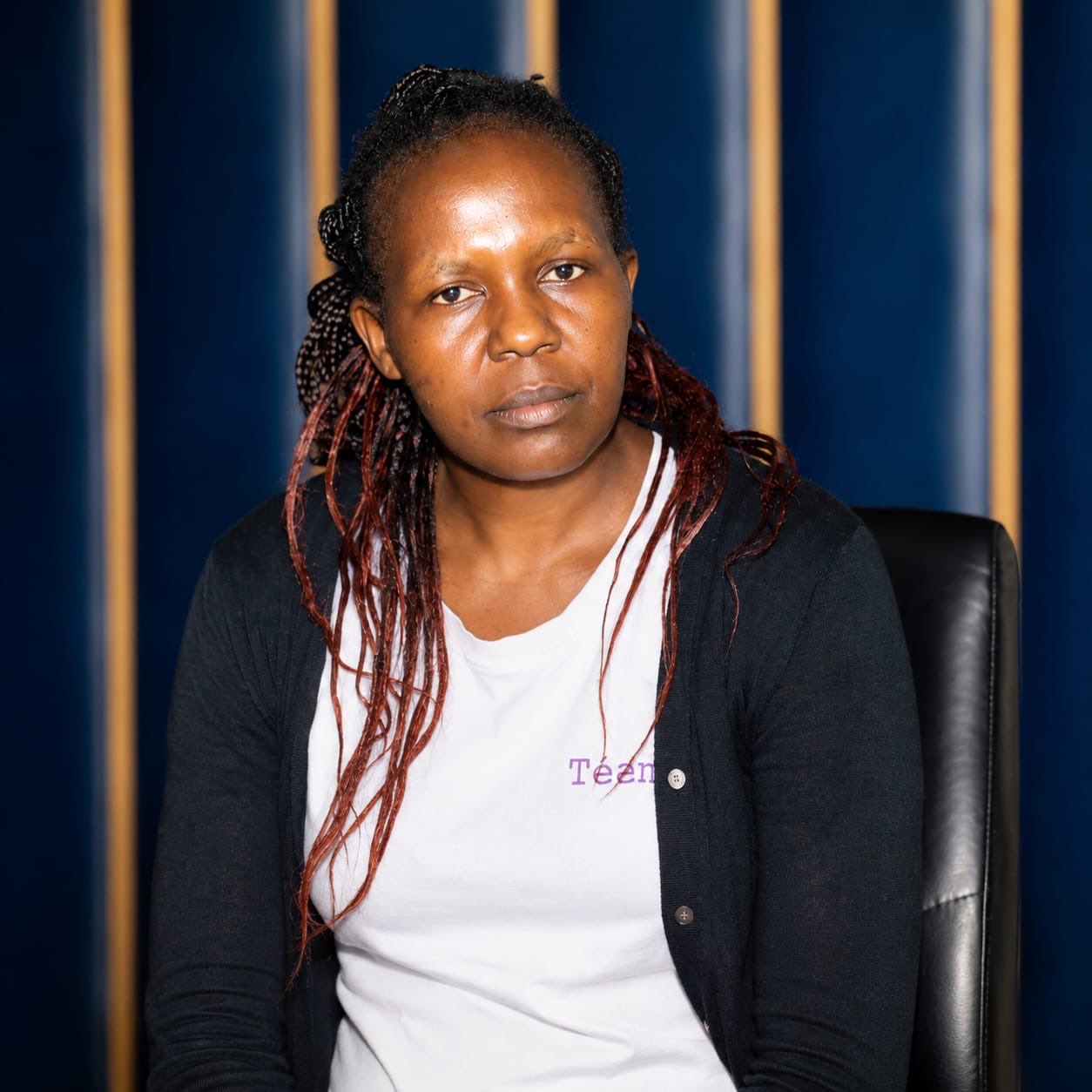
Senator Tabitha Mutinda also joined the effort, adding pressure for faster intervention.
The case has now opened fresh debate around access to specialized healthcare for vulnerable Kenyans, especially young patients battling rare conditions that often go undiagnosed or untreated because of high medical costs.
Kendi’s journey has particularly resonated with many Kenyans because it combines academic resilience, social media activism and the growing public expectation that SHA should respond swiftly to emergency medical cases.
Medical experts say congenital Müllerian anomalies can significantly affect reproductive health and quality of life, with treatment sometimes involving advanced reconstructive surgery, hormonal management and long term specialist care.