President William Ruto has moved to deepen Kenya’s energy ties with Azerbaijan, opening talks that could see the country tap into new oil, gas and renewable investments as part of its long-term power expansion plan.
During a meeting with Rovshan Najaf, head of the State Oil Company of the Republic of Azerbaijan (SOCAR), Ruto said Kenya is looking to leverage the firm’s global expertise to accelerate its target of generating 10,000 megawatts of electricity over the next decade.
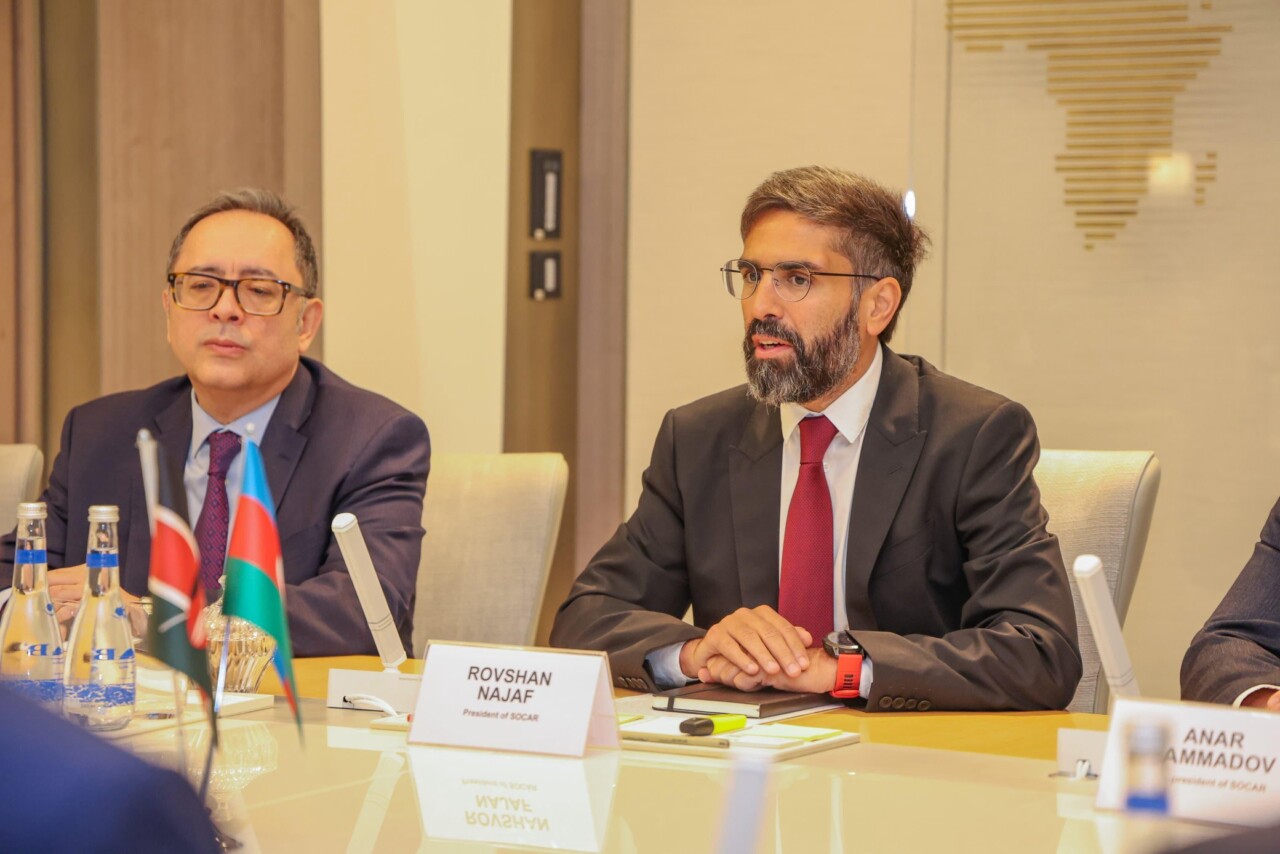
The talks took place on the sidelines of the World Urban Forum in Baku, where the President has been engaging global partners on investment and development.
“We are strengthening cooperation with Azerbaijan in the energy sector, particularly in oil and gas and renewable energy, as part of our drive to attract strategic investment,” Ruto said.
At the centre of the discussions is Kenya’s push to diversify its energy mix while expanding generation capacity to meet rising demand from industry and households.
Ruto said Kenya is keen to tap into SOCAR’s experience in natural gas exploration and production, as well as renewable energy, to support ongoing reforms in the energy sector.
The talks also explored the possibility of SOCAR investing in the proposed East African oil refinery, a project that could reshape regional fuel supply and reduce reliance on imports.
The move signals a shift in Kenya’s strategy, combining its traditional strength in renewable energy, where geothermal already plays a major role, with new interest in gas and petroleum infrastructure.
It also comes at a time when global energy markets remain volatile, pushing countries to secure partnerships that can guarantee stable supply and affordable power.
By courting SOCAR, Azerbaijan’s state-owned energy giant with operations across Europe and Asia, Kenya is positioning itself to attract large-scale investment that could fast-track its energy ambitions.
Kenya’s 10,000MW target is central to its economic growth plans, with reliable and affordable electricity seen as key to industrialisation, job creation and regional competitiveness.
If the talks translate into concrete investment, they could mark a major milestone in Kenya’s energy journey, particularly in bridging the gap between renewable expansion and baseload power needs.