A proposal to introduce a specific law criminalising sextortion has collapsed in Parliament after MPs ruled that Kenya’s current legal framework is sufficient to deal with the offence.
The National Assembly’s Public Petitions Committee rejected a petition presented by Nairobi Woman Representative Esther Passaris that had sought amendments to the Penal Code and Sexual Offences Act to clearly define sextortion and impose tougher penalties.
The petitioners argued that victims of sextortion often coerced into sexual favours or threatened with exposure of intimate images face intimidation and inadequate legal protection when pursuing justice.
They described sextortion as a hidden form of corruption, particularly affecting women and girls in low-income areas, where people have reportedly been forced to exchange sexual favours for water, fish, jobs, good grades, or protection from authorities.
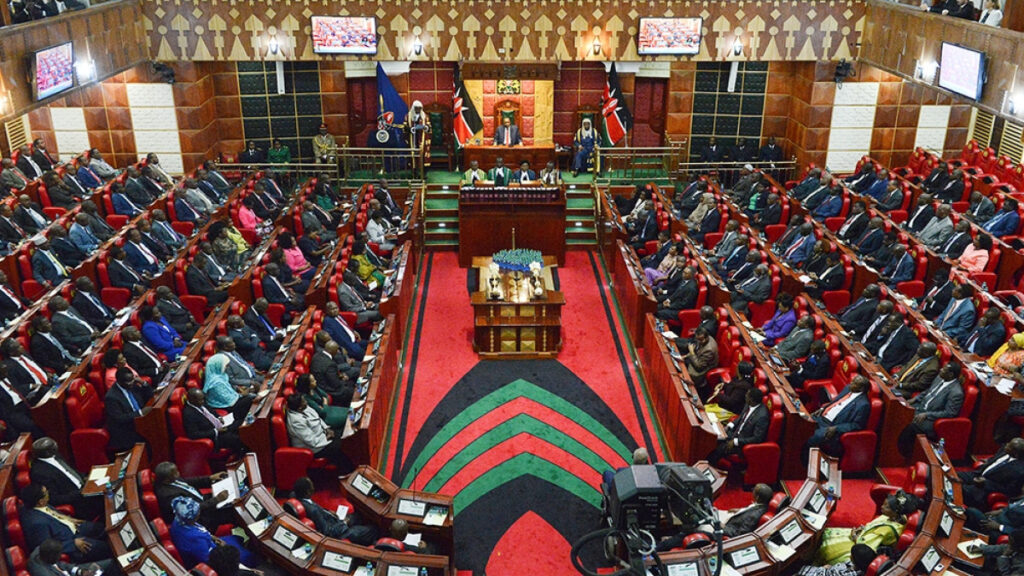
In its report, the committee chaired by Runyenjes MP Muchangi Karemba said provisions of the Sexual Offences Act already address abuse of authority, coercion and sexual harassment, which form the core elements of sextortion.
“The enactment of a new law would duplicate existing provisions… the aspects are adequately provided for in Section 43 of the Sexual Offences Act,” the report stated.
Research presented to Parliament showed that 41 per cent of women in some informal settlements had faced sextortion. Petitioners wanted the offence explicitly defined with penalties of up to 15 years in jail, fines of Sh5 million, or both.
The Kenya Law Reform Commission (KLRC) and the Ethics and Anti-Corruption Commission (EACC) strongly supported the petition, warning that sextortion often amounts to “psychological coercion” targeting women seeking public services.
The KLRC further noted that female politicians are increasingly exposed to image-based disinformation campaigns designed to sexualise them, underscoring the urgency of legislative intervention.