In the high-stakes chessboard of Kenyan politics, deputy president Kithure Kindiki appears to be quietly positioning himself for a bigger role beyond his current docket.
While many political heavyweights are jostling for visibility and making headline-grabbing statements ahead of the 2027 General Election, Kindiki’s strategy has been notably restrained — and that may be his strongest move yet.
Kindiki is playing a long game — one that values patience over publicity. Instead of engaging in the increasingly noisy succession politics, he has focused on delivering results in his ministry: improving security operations, addressing banditry, and pushing for stronger border control.
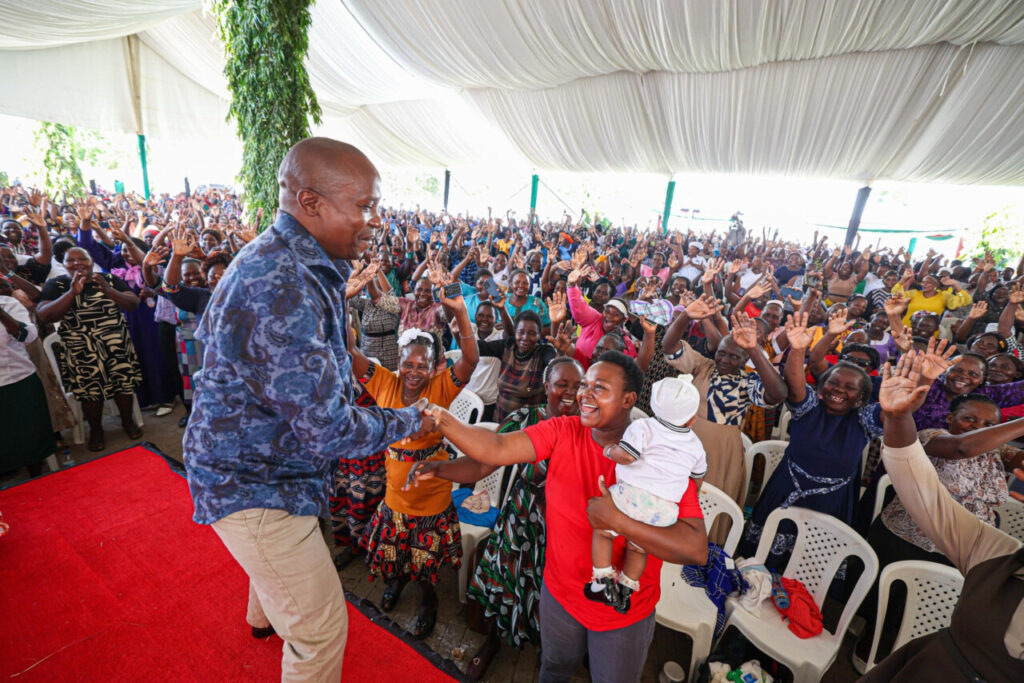
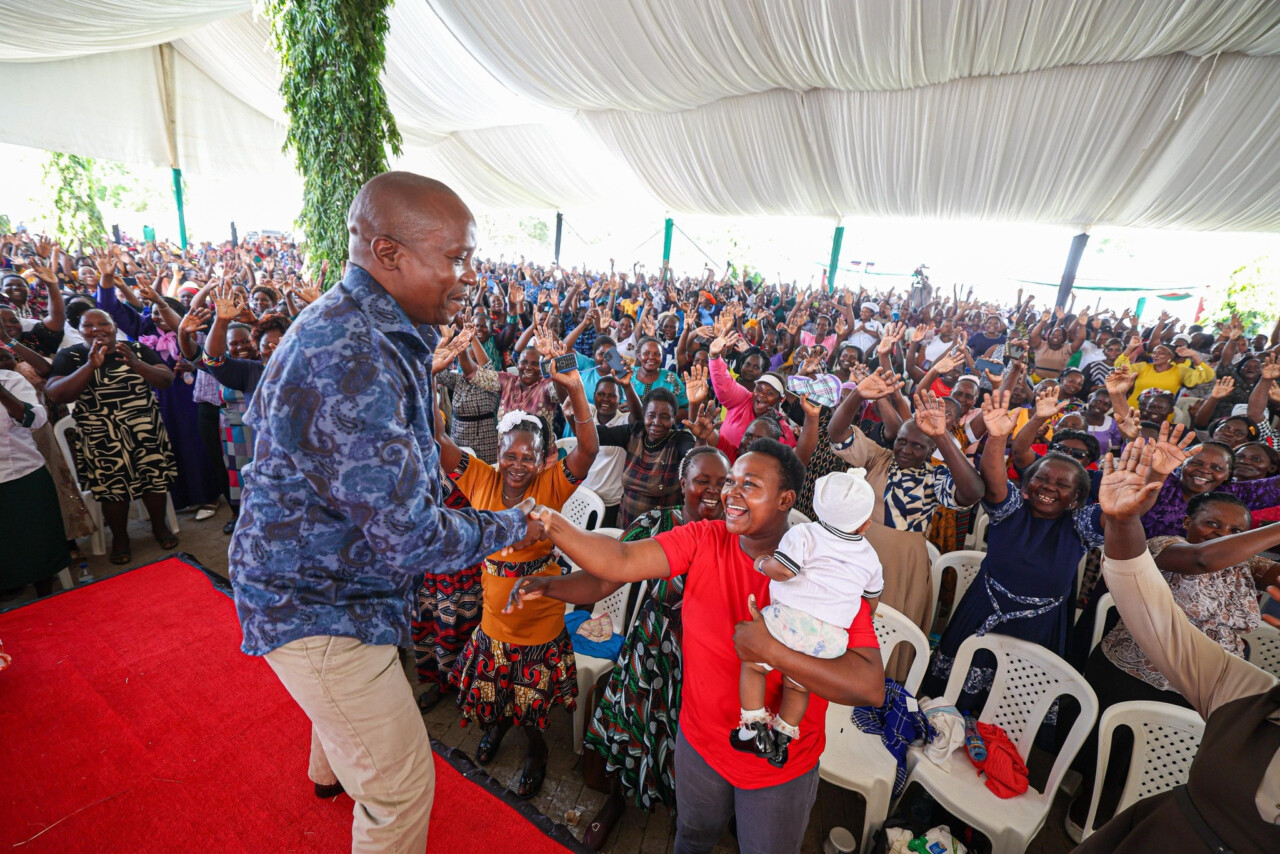
This performance-based approach keeps him away from the mudslinging and factional wars that often leave reputations tarnished.
Political observers note that this method could be a deliberate bid to appeal to both the electorate and power brokers as a “neutral” figure — one not overtly tied to Mount Kenya factionalism or Rift Valley rivalries.
His calm demeanor and understated style also make him a stark contrast to some of his more combative contemporaries, potentially widening his acceptability across the political spectrum.
Moreover, Kindiki’s roots in Tharaka Nithi give him a unique advantage: he is from a county that has historically played a balancing role in Mount Kenya politics, able to connect with different voting blocs without being seen as overly partisan.
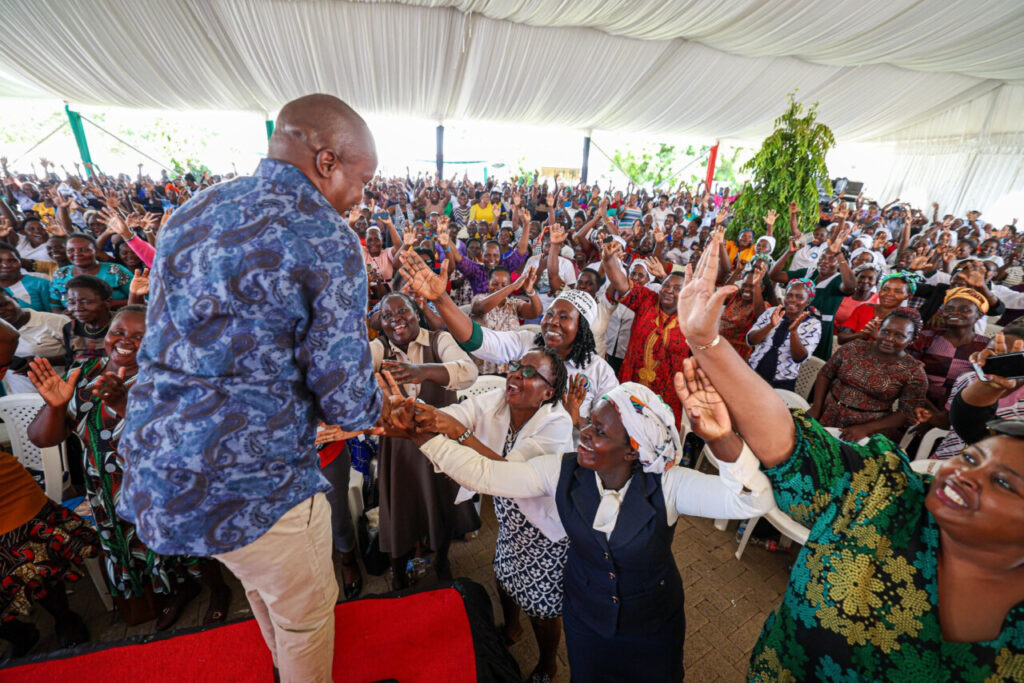
By avoiding premature political declarations and focusing on building a strong governance track record, Kindiki may be positioning himself as the compromise candidate for 2027 or beyond — the one leaders turn to when political fatigue sets in from constant drama.
In Kenyan politics, silence can sometimes be louder than words, and Kindiki’s quiet is beginning to speak volumes.