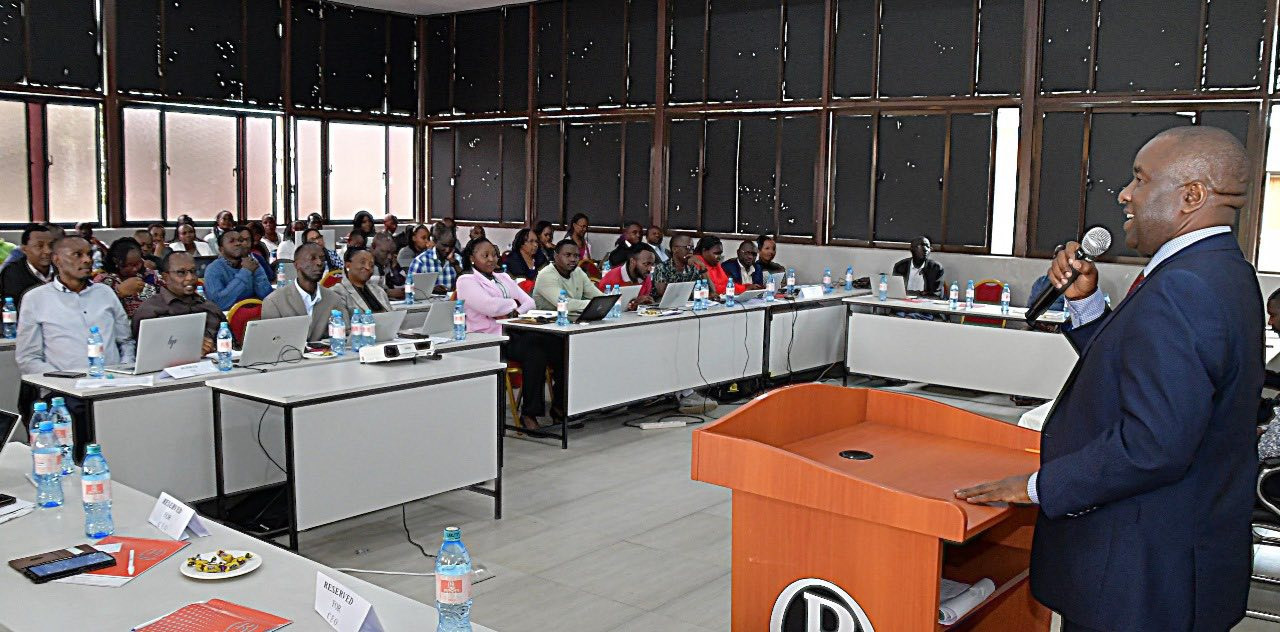
Principal Secretary for Medical Services, Dr. Ouma Oluga, has urged the health sector to optimise policies and resources to ensure value for money, warning that sustained underfunding is undermining Kenya’s quest for Universal Health Coverage (UHC).
Speaking during the preparation of the Financial Year 2026/27 and Medium-Term Budget on August 28, Dr. Oluga said the budgeting process must align with the Medium-Term Expenditure Framework (MTEF), national ceilings and the Government’s Bottom-Up Economic Transformation Agenda (BETA).
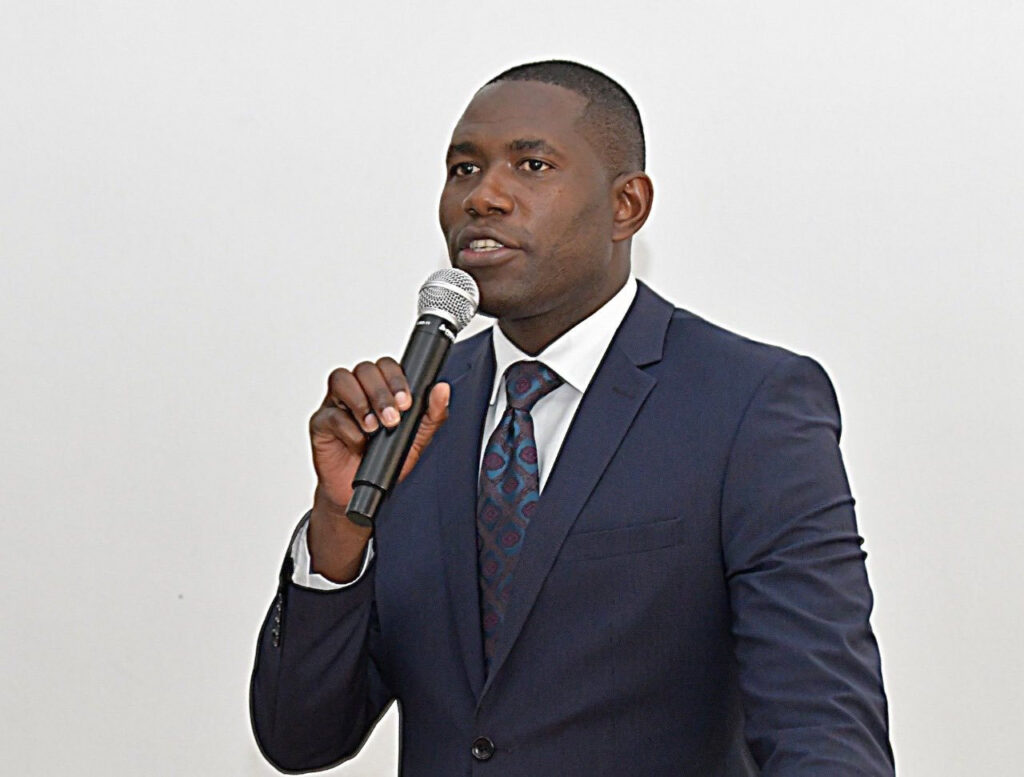
He noted that the health sector is grappling with constrained fiscal space and global economic uncertainty, making it critical to rationalise priorities and deploy resources more strategically.
“Budgeting is not just about numbers on paper—it is a reflection of our collective commitment to better health outcomes for Kenyans,” Dr. Oluga said.
The PS outlined key milestones achieved in the past year, including the rollout of HIV, immunisation, blood transfusion and family planning programmes; specialised services such as kidney transplants, heart surgeries and minimally invasive procedures; expanded medical research; investment in health infrastructure; and the rollout of a comprehensive digital health information system.
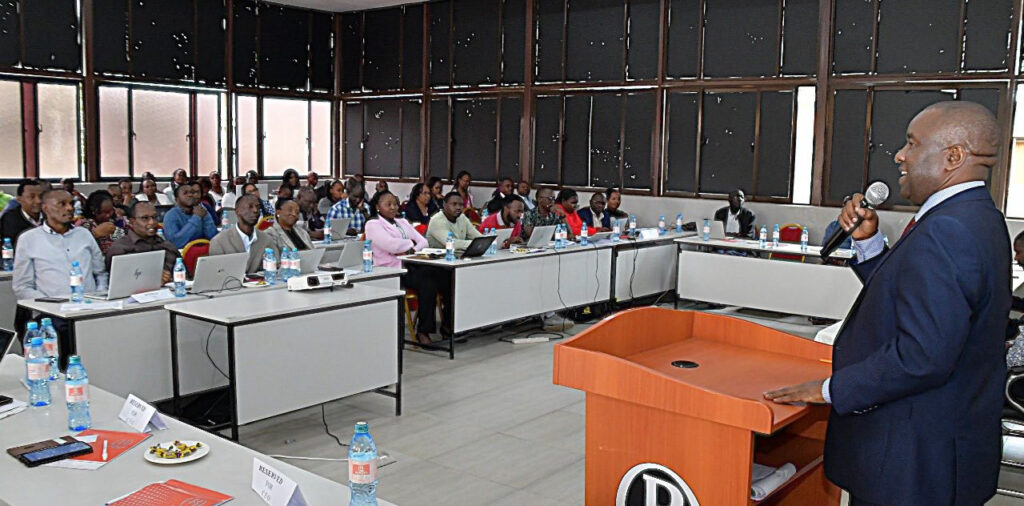
“These achievements demonstrate that with discipline and aligned priorities, the health sector can deliver tangible results for Kenyans,” he noted.
Despite the progress, Dr. Oluga raised concern over reduced funding. He cited a 9.5 per cent decline in health allocations, from KSh 113.5 billion in 2022/23 to KSh 102.7 billion in 2024/25, even as funding requirements more than doubled to KSh 371.8 billion.
Allocations against requests have dropped from 60 per cent to 28 per cent, leading to shortages of medicines, delayed salaries, inadequate food supplies in hospitals and a rise in pending bills.