Kenya has renewed its commitment to improving access to eye care services, with Health Cabinet Secretary Aden Duale calling for stronger partnerships and increased investment to help tackle blindness and visual impairment.
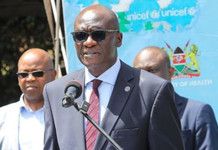
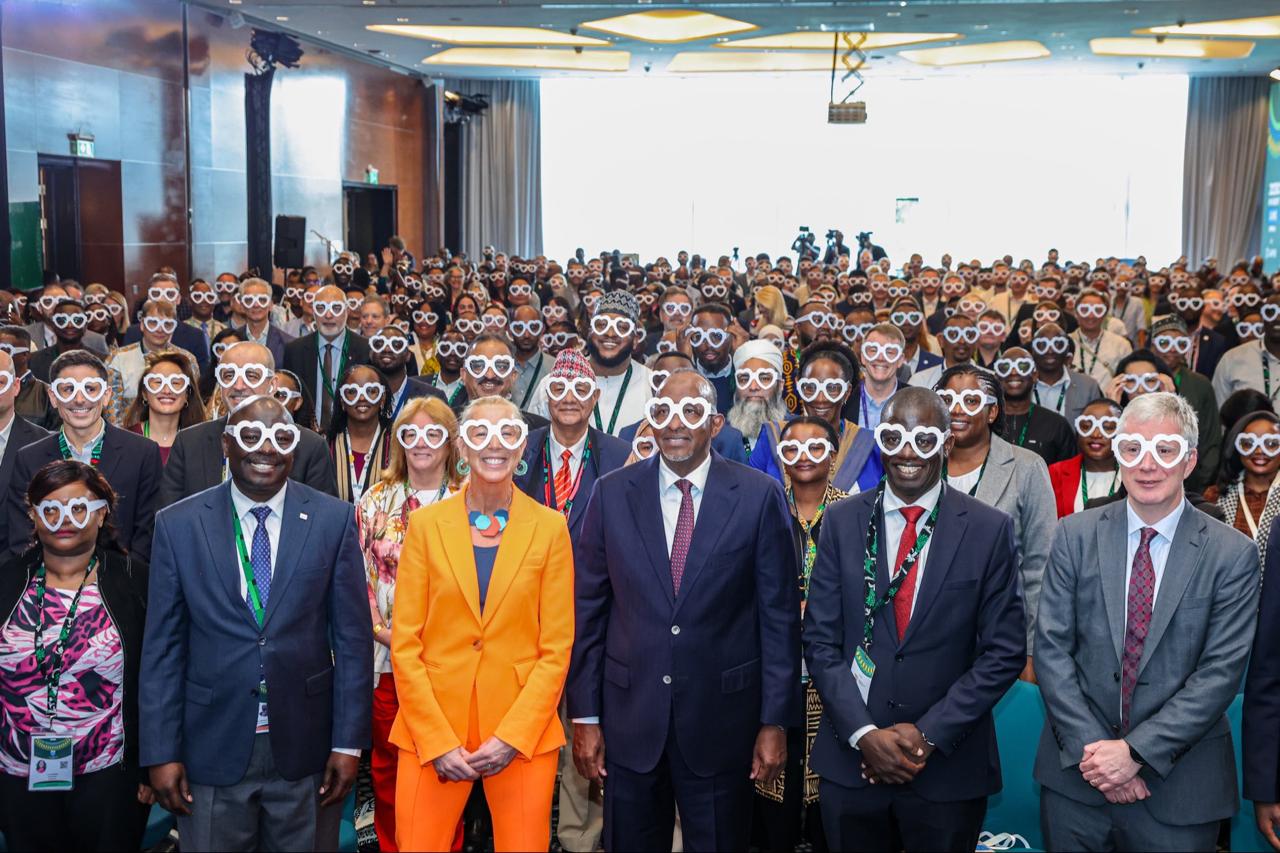
Speaking in Nairobi during the opening of the 2030 IN SIGHT LIVE International Conference, Duale said millions of people around the world continue to live with eye conditions that could be prevented or treated if they received timely medical care.
He noted that globally, more than 2.2 billion people are affected by blindness or visual impairment, with at least one billion cases considered preventable or treatable. According to the CS, poor eye health continues to affect education, employment opportunities, livelihoods and social inclusion, especially among vulnerable groups.
He pointed out that over 2.2 billion folks worldwide struggle with blindness or impaired vision, with at least a billion cases that could’ve been prevented or treated. The CS stressed that poor eye health drags down education, job prospects, earning chances, and social ties, particularly hitting those already struggling.
Duale highlighted Kenya’s progress in boosting eye care within its push for Universal Health Coverage. Eye health services are now woven into primary healthcare, making check-ups and treatments easier to get right in folks’ neighborhoods.
Plus, the nation’s leveraging digital tools to step up patient care. This helps with referrals, keeping track of patients, and laying plans for better eye health services too.
The CS stated that Kenya’s Social Health Authority, having registered over 30 million people, is easing the financial strain of treatment through its coverage of various eye care services. This includes prevention, diagnosis, treatment, and even surgeries like cataract operations and fixing vision issues.
Duale also mentioned the Facility Improvement Financing framework, which enables health facilities to use locally raised funds to better their services, keep equipment running, and upgrade their infrastructure.
Though eye care services reach all 47 counties, Duale pointed out there’s still work to do, especially in far-off, underprivileged areas in dry regions. Getting specialized care in these spots is still tough.
To make sure everyone in Kenya gets good eye care, Duale thinks we need to invest wisely, get creative with how we provide services, and train more eye health pros.
He pleaded with governments, helpful groups, health workers, and the business world to team up and stop avoidable blindness. No one deserves to suffer needlessly when cures are available, he stressed.
The conference brought together eye health experts, policymakers and development partners to discuss ways of improving access to eye care and advancing efforts to eliminate avoidable blindness by 2030.