The National Assembly Health Committee is pushing for immediate dialogue between the Social Health Authority (SHA) and the Consortium of Healthcare Providers (CoHP) to resolve mounting challenges threatening the success of Kenya’s new universal health coverage (UHC) system.
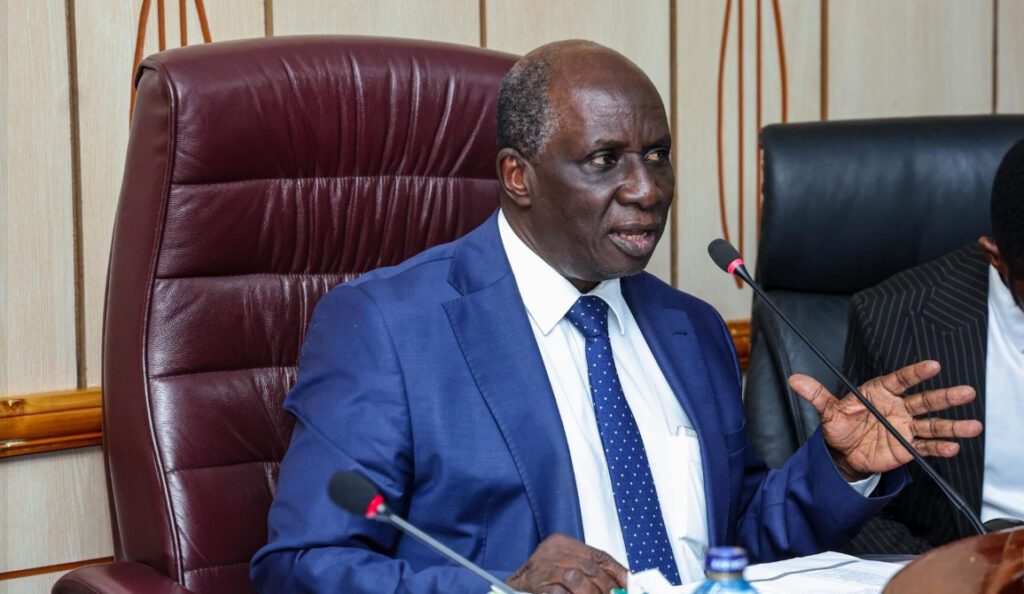
Speaking during a session with private and faith-based healthcare providers in Nairobi, committee chairperson and Seme MP Dr. James Nyikal expressed concern over the operational gaps within SHA, which replaced the now-defunct National Health Insurance Fund (NHIF).
“We’ve received serious concerns regarding claim processing delays, rejected payments, and confusion over control of the SHA portal,” said Nyikal. “As Parliament, we want to facilitate honest engagement between the Ministry of Health and service providers to ensure UHC works for every Kenyan.”
Nyikal revealed that up to 53% of claims remain unpaid, while 90% of submitted claims are being rejected, leaving many healthcare facilities on the brink of collapse.
Members of the CoHP warned that the current system rollout was marred by underfunding, opaque operational structures, and policy inconsistencies. These, they said, were threatening access to essential health services, particularly in rural and low-income areas.
Dr. Brian Lishenga, chair of the Rural and Urban Private Hospitals Association (RUPHA), emphasized the need for a blended digital health model to salvage the rollout.
“We propose a hybrid strategy that combines the SHA provider portal with Integrated Health Technology Systems (IHTS),” Lishenga said. “This would enhance compliance, foster innovation, and allow providers operational autonomy.”
Lishenga further criticized recent SHA adjustments that delisted level two and level three facilities from offering inpatient and maternity services, despite being licensed and adequately equipped.
“These changes have already affected over 3,478 maternity beds, 1,080 delivery beds, and 10,000 inpatient beds across 1,138 level 3B facilities, with rural counties such as Mandera, Turkana, Marsabit, and Wajir bearing the brunt,” he warned.
RUPHA cautioned that unless reversed, these policy decisions could compromise maternal and emergency care outcomes, particularly in underserved communities, and erode public trust in the government’s health reforms.
Nyikal concluded by reaffirming the committee’s support for a transparent, inclusive, and efficient health system that safeguards both healthcare providers and the public.