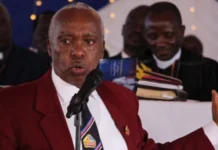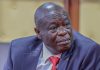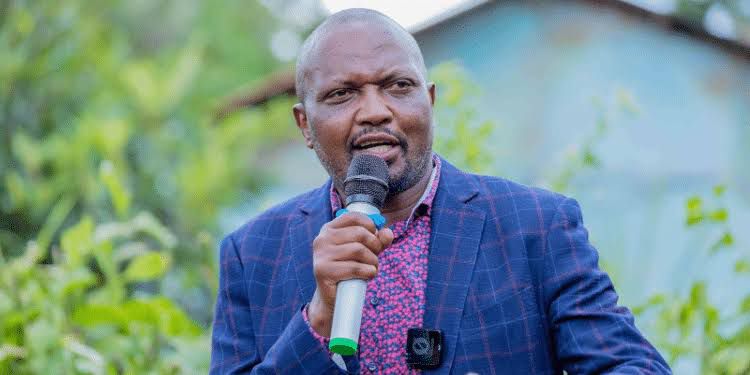
Former Cabinet Secretary Moses Kuria has come out swinging against what he calls Kenya’s habit of applying “quick fixes” to deep political wounds, warning that the current direction being taken by the country’s leadership is more show than substance.
Speaking on Tuesday morning, Kuria who once served as a senior advisor to President William Ruto said Kenya’s political class is stuck in a cycle of repackaging old tricks, rather than facing the hard truths needed to build a stable future.
“We have a malignant tumour in our political system,” Kuria said. “But instead of treating it, we keep numbing the pain with painkillers handshakes, power-sharing deals, endless political ceasefires.”
At the heart of his frustration is the National Dialogue Committee (NADCO) report, a document born out of last year’s bipartisan talks that once held promise of guiding Kenya toward genuine reform.
Kuria had hoped it would lead to a referendum in 2027 a meaningful vote to reshape how Kenya is governed. That hope, he now says, is fading fast.
“I was genuinely optimistic,” he admitted. “I believed NADCO could give us a 7th ballot in 2027 something that would let Kenyans finally weigh in on the system itself. But now, even that seems unlikely.”
Discontent Over State House Meeting
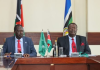
Kuria’s remarks came just a day after a high-profile joint parliamentary meeting at State House brought together political heavyweights President William Ruto, opposition leader Raila Odinga, and Deputy President Kithure Kindiki. The meeting was billed as a major step toward national unity.
But for Kuria, what many saw as a promising handshake moment, he saw as another closed-door deal that left out many voices.
“What I saw was UDA paying dowry to ODM,” he said bluntly. “It was reduced to a backroom arrangement between two parties, while other players in Kenya Kwanza and Azimio were left in the cold.”
His concern is not just about political inclusivity it’s about Kenya’s repeated pattern of trying to bandage problems instead of solving them.
A Familiar Cycle
Kuria warned that if leaders continue ignoring the deeper cracks in the system, the NADCO process could end up on the same shelf as the failed Building Bridges Initiative (BBI) another high-profile attempt at reform that ultimately collapsed.
“We can’t keep doing this,” he said. “We owe Kenyans more than recycled political theatre. Real reform requires political courage not just public gestures for the cameras.”
With the 2027 elections just two years away, Kuria wants leaders to get serious about fixing Kenya’s political system not with boardroom deals or temporary alliances, but through institutional reforms that give voice to all Kenyans.
“We can’t keep treating symptoms and ignoring the disease,” he said. “This country needs healing, not just handshakes.”