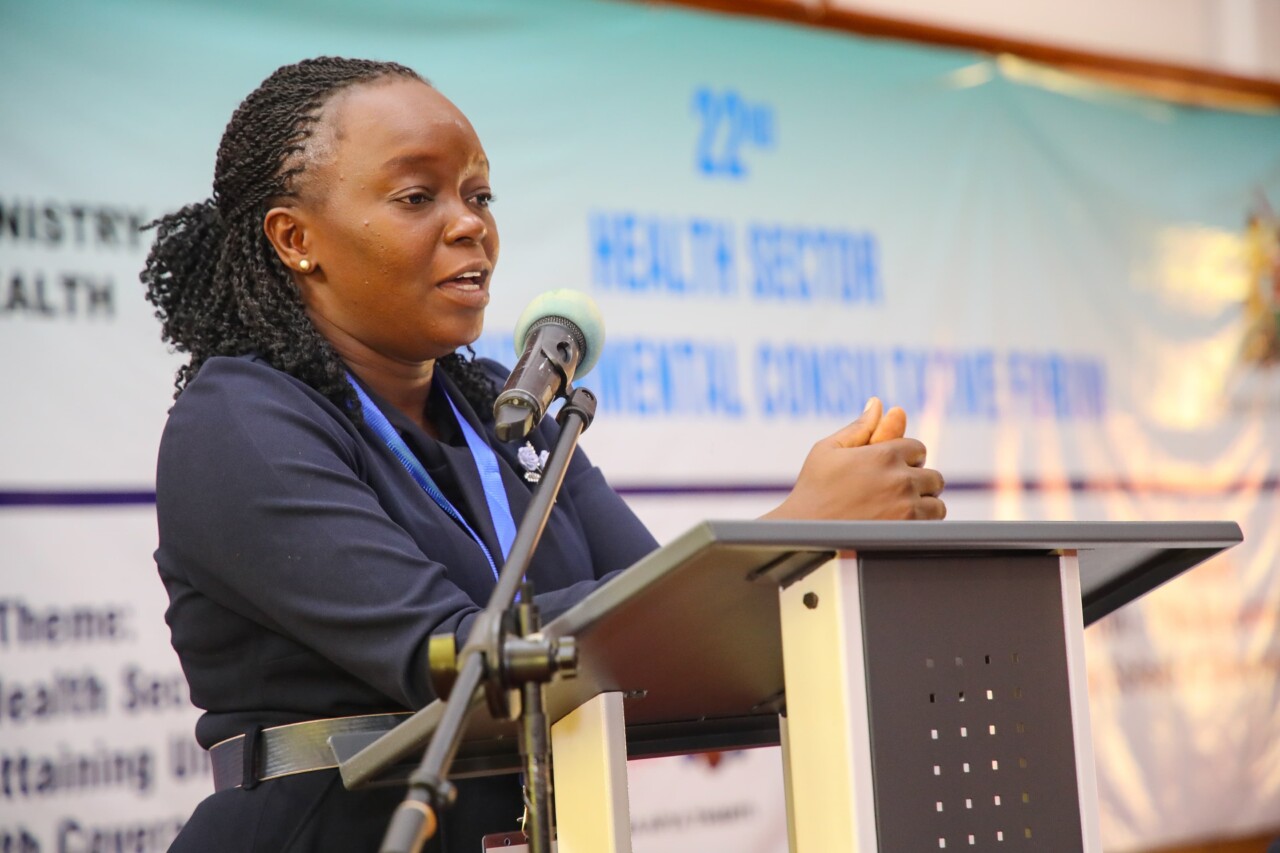
The Ministry of Health (MoH) has reassured Kenyans that there is no immediate threat of a Human Metapneumovirus (HMPV) outbreak in the country, despite the recent surge of cases in China raising global concerns.
HMPV, which the Centers for Disease Control and Prevention (CDC) describes as a virus causing upper and lower respiratory illnesses, poses the highest risk to young children, older adults, and those with weakened immune systems.
“Symptoms commonly associated with HMPV include cough, fever, nasal congestion, and shortness of breath. Clinical symptoms of HMPV infection may progress to bronchitis or pneumonia and are similar to other viruses that cause upper and lower respiratory infections,” the CDC explains on its website.
The virus spreads through respiratory droplets, close personal contact, or contact with contaminated surfaces, followed by touching the face.
The CDC notes that the incubation period for HMPV is 3 to 6 days, with the duration of illness depending on severity.
On Tuesday, the MoH addressed public concerns via a statement on X, emphasizing that HMPV is not a new virus and has been previously documented as a contributing factor to respiratory illnesses in Kenya.
“The national public health surveillance system is on high alert, and we are happy to confirm that currently, there is no reported increase in the expected number of patients presenting with respiratory symptoms in our health facilities,” the Ministry stated.
MoH also urged Kenyans to maintain basic public health measures to prevent the spread of respiratory infections.
“The Ministry remains committed to safeguarding the health and safety of all Kenyans. We request members of the public to remain vigilant, continue observing public health practices such as hand hygiene and respiratory etiquette as promoted through the Epuka Uchafu Afya Nyumbani initiative,” the statement read.
Further, the Ministry encouraged Kenyans to promptly report unusual cases of severe respiratory illness to the nearest medical facility.
This reassurance comes amid heightened global attention on respiratory diseases following the COVID-19 pandemic, with the MoH emphasizing that proactive measures remain in place to protect public health.