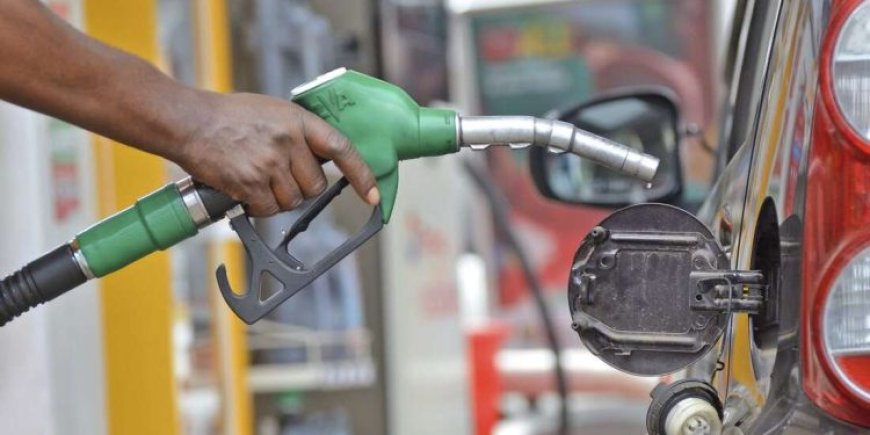
There is still confusion among motorists across the country after the Kenya Pipeline Corporation (KPC) said Kenya has enough fuel, even as some petrol stations continue to run dry.
In many towns, drivers have been forced to queue for hours, while others move from one station to another looking for fuel. The situation has raised concern, with many Kenyans questioning how there can be shortages at the pump when the country is said to have enough supply.
Appearing before the Senate Energy Committee, KPC Acting Managing Director Pius Mwendwa insisted that there is no fuel shortage in the country.
“As we speak, we have enough fuel,” he told the committee, adding that KPC does not understand why some stations are experiencing shortages.
According to Mwendwa, the inventory levels show 169 million litres of Automotive Gas Oil (diesel) currently in storage.
Despite the higher volume of diesel, its rapid daily consumption of 9.1 million litres creates a tighter margin than petrol, which sees a daily demand of about 6.3 million litres.
In the aviation sector, stocks of Gas Turbine Fuel (GTF) stand at 83.7 million litres, Mwendwa said. Although this represents the smallest physical volume of the three primary fuels, a lower daily consumption rate of 2.5 million litres provides the country with its most robust cushion of 33 days.
“As of today, we have 162.8 million litres of petrol in the system, which covers us very well. We also have 169.1 million litres of diesel and 83.7 million litres of Jet A1 fuel. Those are the current stock levels, and we are still receiving additional cargo,” Mwendwa said.
A team from the National Assembly Energy Committee also visited KPC facilities in Nairobi and confirmed that there is enough fuel stored in different depots across the country.
Still, for many motorists stuck in long queues, the big question remains: if the fuel is there, why is it not reaching the pumps?