Kenya is set to scale up clean energy use in healthcare after the government and UNICEF agreed to strengthen collaboration on the Health Facility Solar Electrification (HFSE) programme.
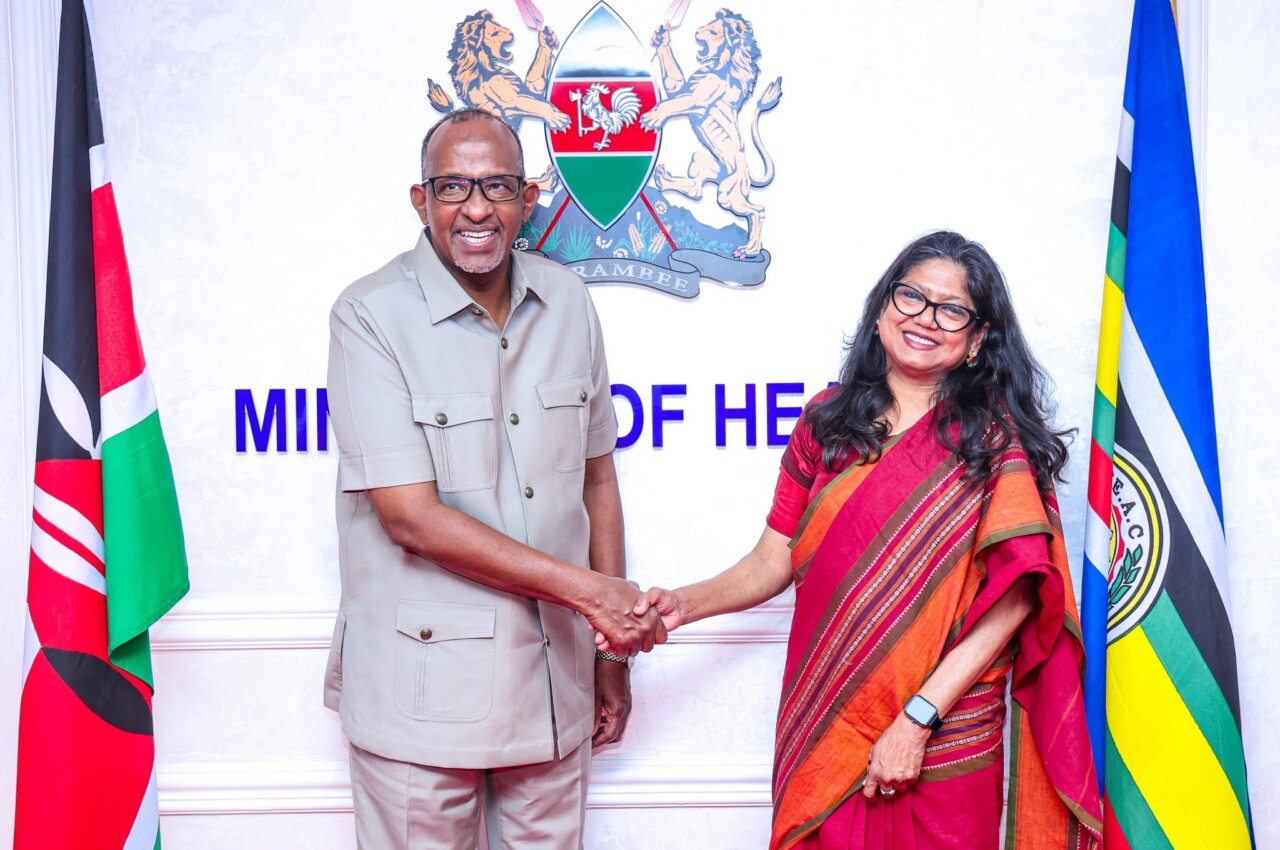
Health Cabinet Secretary Aden Duale on Friday hosted UNICEF’s Representative to Kenya, Shaheen Nilofer, and her delegation for talks on how to fast-track the initiative.
Launched earlier this year during the World Health Assembly in Geneva, the HFSE programme aims to install solar power in 2,000 health facilities in its first phase, with the potential to expand to 4,000 facilities nationwide. Priority will go to primary healthcare centers and immunisation service delivery points, especially in remote and underserved areas.
According to CS Duale, the climate-smart plan will not only guarantee reliable, round-the-clock healthcare but also support Kenya’s Bottom-Up Economic Transformation Agenda (BETA) by creating jobs, cutting reliance on diesel, boosting staff morale, and lowering carbon emissions.
“This initiative strengthens immunisation cold chains, makes essential services like safe childbirth and reproductive health more accessible, and reduces costs while protecting the environment,” Duale said.
He also praised UNICEF for its long-standing support in vaccines and immunisation and reaffirmed the government’s commitment to Universal Health Coverage (UHC) and sustainable health solutions that deliver real benefits to citizens.