The World Health Organization has raised concern after a deadly virus outbreak called Hantavirus was reported on a cruise ship sailing in the Atlantic Ocean, leaving three people dead and another fighting for their life in a hospital in South Africa.
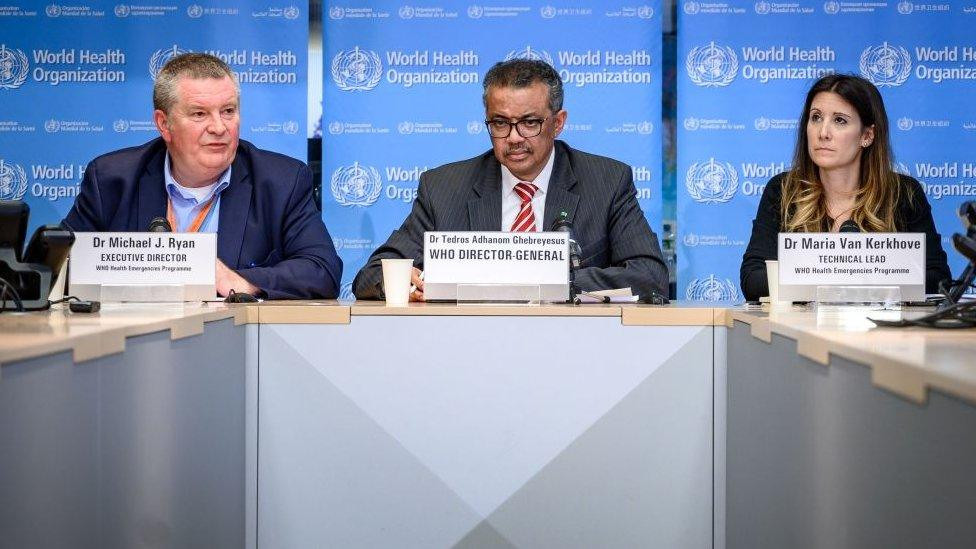
WHO Director-General Tedros Adhanom Ghebreyesus confirmed that Hantavirus, a disease linked to rodents. So far, one case has been confirmed through laboratory tests, while five others are still being treated as suspected infections.
Tedros stated in his brief statement that the international health body is monitoring the development and assisting in its management.
Currently, WHO is working with the respective countries and the operators of the ship in arranging the medical evacuation of the two patients. The experts have already commenced assessing the risks involved in order to protect other people onboard the ship.
There are current investigations being conducted with an objective of understanding how the virus spread amongst the two patients in the ship. Further investigations on the viral strains are being conducted by the experts.
As per the Centers for Disease Control and Prevention, Hantavirus is typically transmitted from the infected rodent through urine, droppings or saliva contact with a human. Although it is relatively rare, there have been instances where transmission between humans occurs.
Such incidents have generated fear in other countries, including Kenya, particularly among populations living in areas infested with rodents. Rural areas and farms pose a great threat because of exposure to rodent nests, while urban slums, such as Kibera, Mathare, and Mukuru face high levels of risk owing to lack of waste management practices.
Under such circumstances, Ministry of Health in Kenya issues warnings to inform the public about necessary precautions to take.
Early this year, the government gave travel advisory alerts to all Kenyans not to travel to certain areas of India due to the outbreak of Nipah virus, according to the Director-General for Health, Patrick Amoth.
While investigations continue, there has been a recommendation from the medics to keep one alert all the time, especially when traveling and eating.f