Kenya is moving to formally include traditional medicine in its health system as part of efforts to improve access to care and push forward universal health coverage.
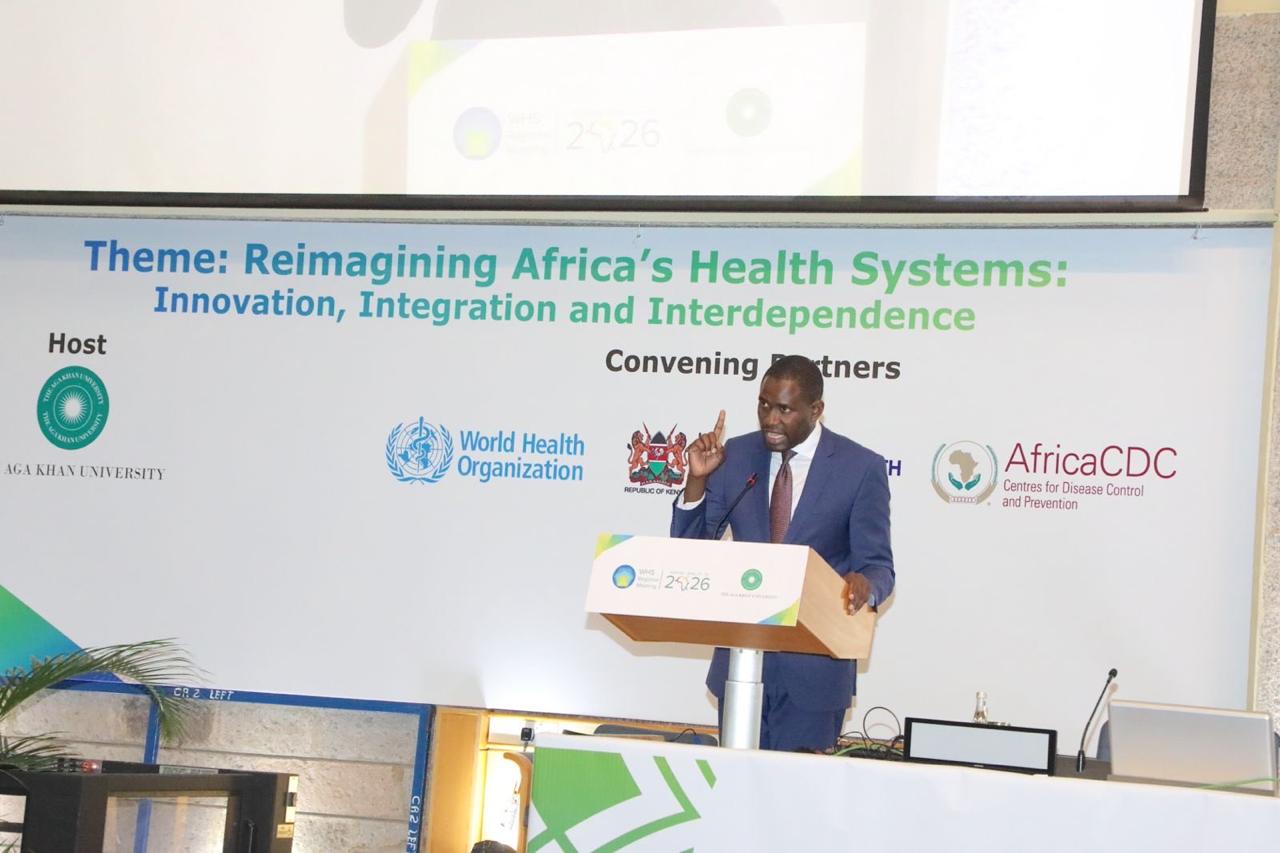
Speaking during the ongoing World Health Summit Regional Meeting 2026, Principal Secretary for Medical Services Ouma Oluga said traditional and complementary medicine is already playing a big role in how many people seek treatment, especially at the community level.
He noted that in the sub-Saharan region, 80 per cent of patients depend on traditional healing practices as their primary choice due to availability, accessibility, affordability, and familiarity.
“In many societies, this is the place people go for help whenever they are sick,” Dr Oluga stated, adding that this approach has to be made safer by ensuring close integration with the formal health sector.
According to him, the Kenya government is currently in the process of developing regulatory and guiding policies for the integration of traditional medicine in the health system. He indicated that such regulations will include quality control measures and creation of clear pathways between traditional healers and health facilities.
“Though we shall continue encouraging use of conventional medicines, the government has realized that there is the need for the two to converge,” he remarked.
There is also an ongoing effort in the country aimed at carrying out extensive research on indigenous medication, testing the efficacy and safety of herbal medications used, and linking traditional healers to conventional practitioners.
“There is vast knowledge among our communities; what we require is scientific backing,” he furthered, pointing out the need for research to validate the safety.
Proper training and certification of practitioners will also be considered, as well as collaboration with other nations for knowledge sharing and standardization.
Dr. Oluga implored the partners to aid the project, noting that finance would be pivotal to ensure that the concept is realized through provision of services.
The initiative falls in line with WHO’s strategy on traditional medicine from 2025 to 2034, which advocates that countries include such forms of treatment within their health delivery framework.
This comes after recent global talks, where it was agreed among nations that African nations consider making traditional medicine part of healthcare.
If adopted, the strategy could revolutionize how millions of Kenyans receive medical attention.