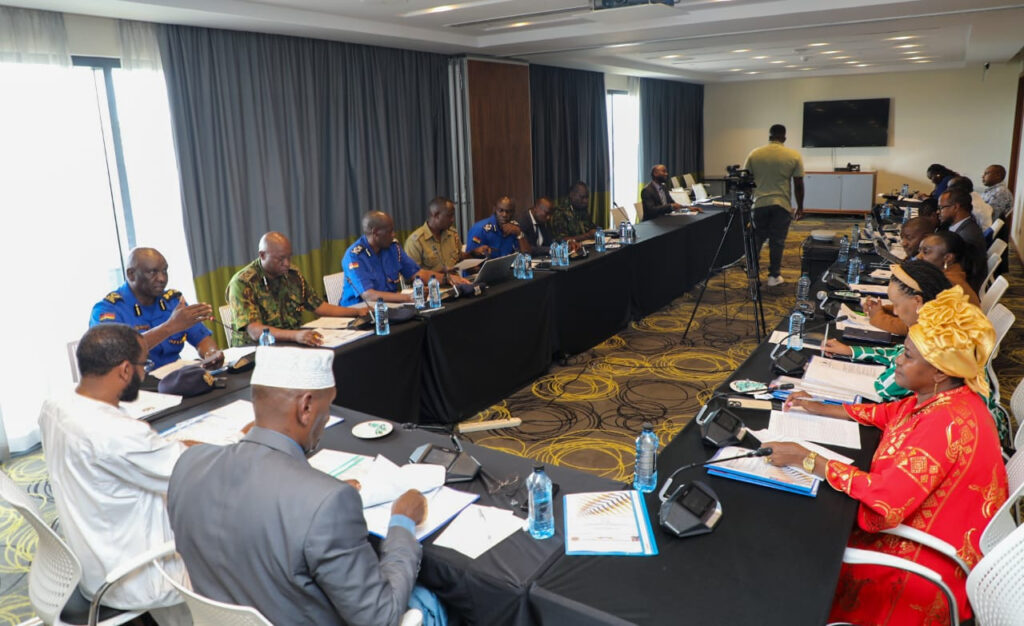
The National Police Service (NPS) has taken significant strides in automating its recruitment process to promote transparency, fairness, and diversity, the Inspector General of Police, Douglas Kanja, told the Senate Committee on National Cohesion, Equal Opportunity, and Regional Integration during a session on institutional inclusivity.
Appearing before the committee chaired by Marsabit Senator Mohamed Chute, IG Kanja emphasized that the automation of key stages in police recruitment and promotion is central to the Service’s broader reform agenda aimed at fostering equity and public trust.
“Digital tools now play a critical role in minimizing human interference in our hiring process,” Kanja said. “This shift not only enhances fairness but also boosts the credibility of our recruitment exercises.”The Inspector General highlighted that job vacancies within the Service are publicly advertised with clearly outlined eligibility requirements.
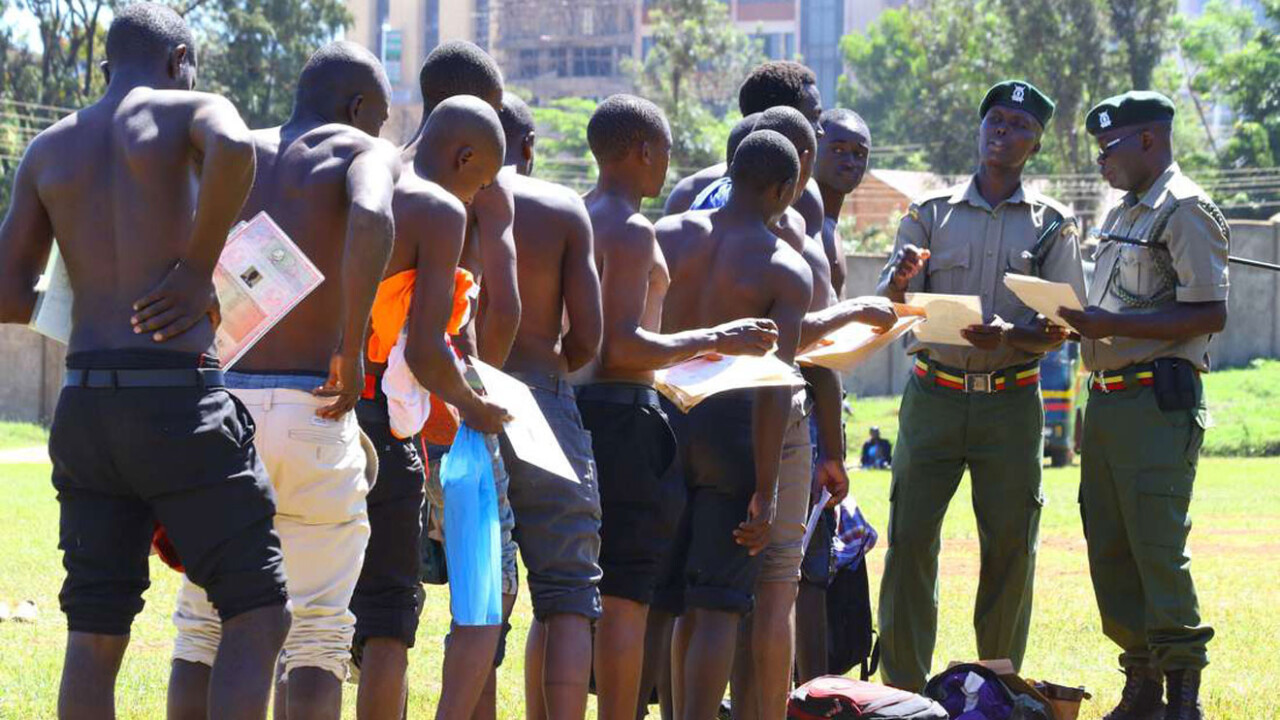
This, combined with standardised assessments administered by independent panels—including members of the National Police Service Commission (NPSC) and external observers—ensures merit-based selections devoid of bias.
Kanja said that automating aspects such as application processing, test administration, and evaluation has led to greater impartiality, thereby addressing historical concerns about nepotism and regional imbalance.
He further underscored that the NPS collects detailed recruitment data disaggregated by gender, ethnicity, region, and disability status to identify and close representation gaps.
In his remarks, Kanja also detailed ongoing internal audits and compliance reviews conducted in partnership with oversight institutions such as the NPSC, the Ethics and Anti-Corruption Commission (EACC), the Senate, and the Ministry of Interior.
“These reviews keep us accountable and aligned with national values,” he said.The session also heard from Peter Leley, CEO of the NPSC, who echoed the importance of automation and transparency.
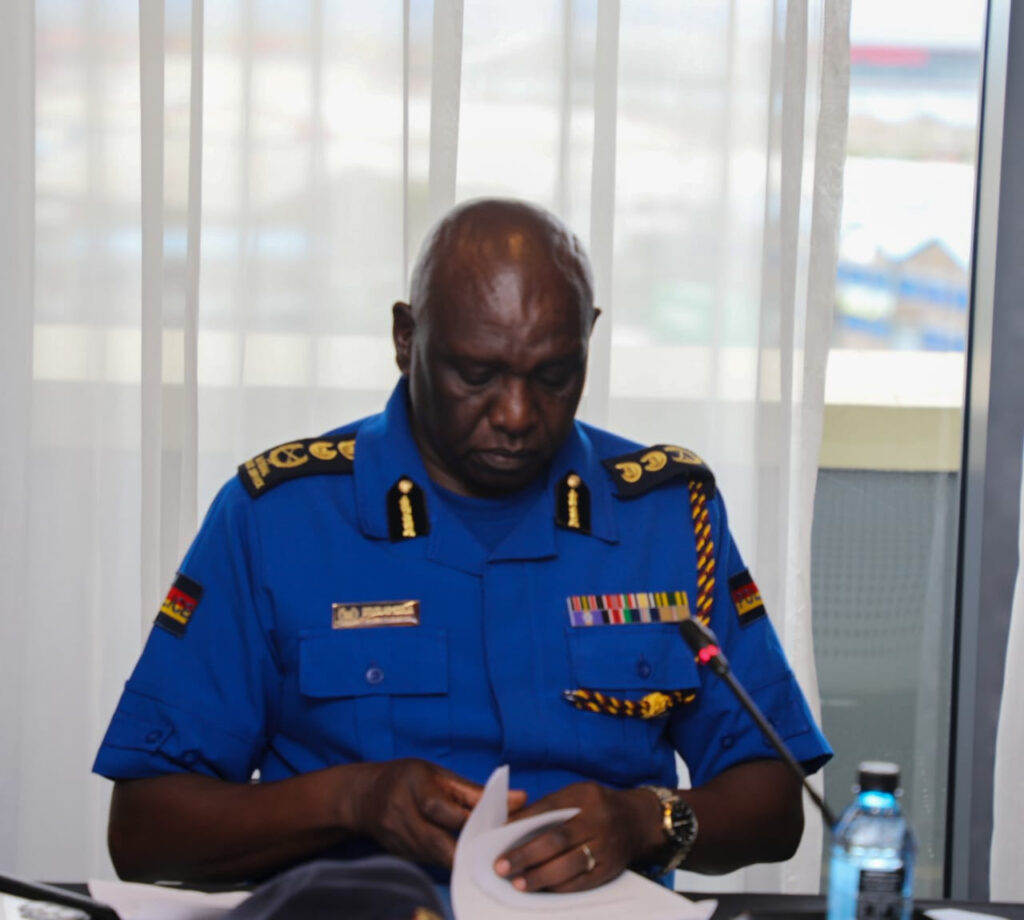
He affirmed the Commission’s commitment to ensuring that recruitment and promotion processes remain fair, inclusive, and reflective of Kenya’s demographic diversity.
Kanja noted that public engagement has been vital to the reforms. “We continue to work with civil society, community policing forums, and the Independent Policing Oversight Authority (IPOA) to refine our processes,” he said.He also urged the Senate to support legislative measures to address legal and structural gaps that hinder inclusive recruitment, and called for more resources for marginalized counties to strengthen grassroots security.
Senator Chute commended the efforts but issued a call to action: “Kenya deserves a police service that truly reflects its people. These commitments must be translated into real, measurable outcomes. We will hold you accountable.”The Senate committee is expected to compile a comprehensive report based on the presentations for further deliberation.