Kenya is stepping up efforts to manufacture vaccines, medicines and other health technologies locally as it deepens its long-standing partnership with the United Kingdom, in a move aimed at strengthening the country’s healthcare system and reducing reliance on imports.
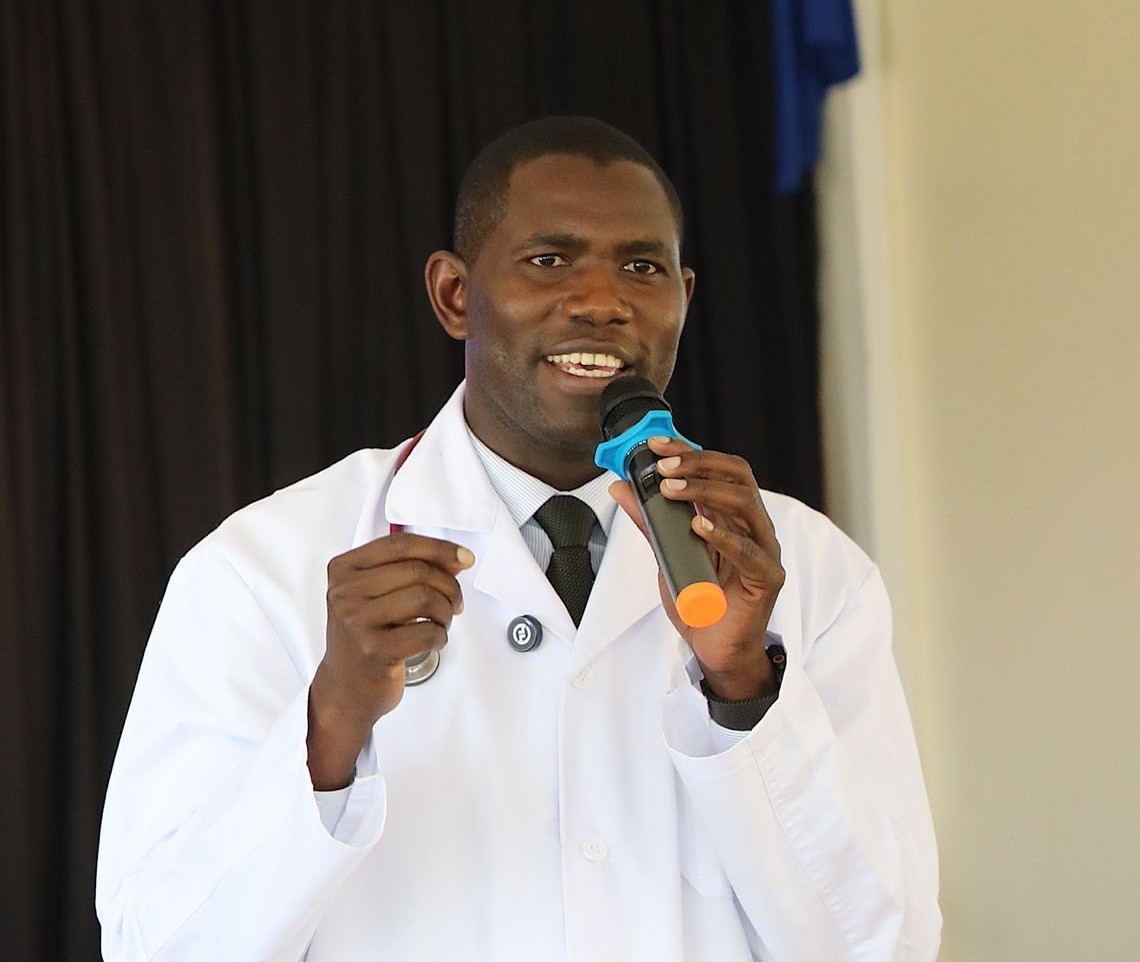
Speaking during the fifth anniversary conference of the Kenya-United Kingdom Health Alliance (KUKHA) at King’s College London on Monday, Principal Secretary for Medical Services Dr. Ouma Oluga said the next phase of cooperation should focus on building sustainable, country-led partnerships that improve healthcare delivery while strengthening local capacity.
Dr. Oluga noted that the Kenya-UK partnership has delivered significant gains over the past five years, particularly in specialised healthcare, cancer treatment, research and training of health professionals.
Among the key achievements are the establishment of PET-CT and molecular imaging services at Kenyatta University Teaching, Referral and Research Hospital, the rollout of mobile endoscopy services for oesophageal cancer patients in Meru and Nyeri counties, and the Kenya-UK Breast Cancer Initiative operating in Kisii and Mombasa. More than 100 Kenyan clinicians have also received specialised oncology training through the collaboration.
With Kenya implementing major health sector reforms, Dr. Oluga said the country is keen to build on these successes by expanding access to quality healthcare through initiatives such as Taifa Care, the Social Health Authority, strengthened primary healthcare, digital health systems and the National Equipment Service Programme.
He added that due to changes in global health finance trends, it has become imperative for nations to develop partnership approaches that are mutually developed, co-funded and focused towards meeting the country’s needs rather than depending on externally initiated projects.
According to the PS, Kenya is looking to develop cooperation with the UK in certain specializations like organ transplants, cancer treatment, clinical training, antimicrobial stewardship, genomics, precision medicine, health leadership and biomedical science research.
A key priority, he added, is promoting health industrialisation through the local production of medicines, vaccines and medical technologies, a move expected to improve access to essential health products while enhancing the country’s preparedness for future public health emergencies.
Dr. Oluga also urged development partners to align their support under a government-led health sector framework, with a common scorecard to monitor implementation, results and accountability.
The two-day forum that started on July 27 and ends today, themed “Working Together for Better Health for All,” has been attended by participants drawn from governments, universities, hospitals, research institutes, foundations, and from the private sector in both Kenya and the UK.
Some of the delegates include Education Cabinet Secretary Julius Ogamba, top officials from the UK’s Department of Health and Social Care, delegates from the Kenya High Commission in London, King’s College London top brass, KUKHA Secretariat officials, and representatives from the health, research, and academic sectors in both countries.