Kenya has finalised a Fertilizer and Soil Health Strategy, expanded soil testing and mapping, digitized soil data, and moved toward balanced nutrient management.
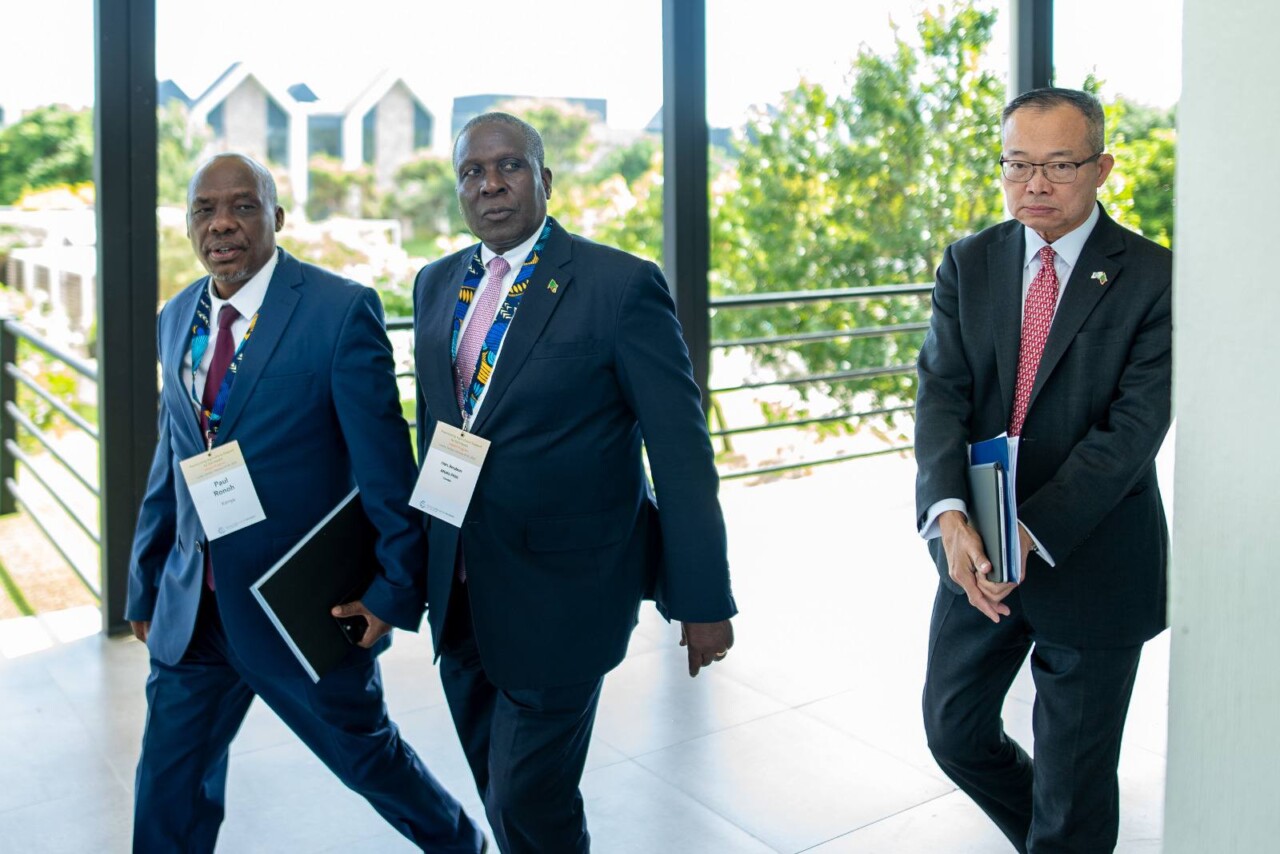
Agriculture Principal Secretary Dr Kipronoh Ronoh who joined the World Bank Group Impact Program on Repurposing Agriculture Support for Soil Health, reaffirmed Kenya’s commitment to the Africa Fertilizer and Soil Health Action Plan under the Nairobi Declaration.
He stressed for Kenya’s move from expanding fertilizer access to placing soil health at the core of agricultural transformation, aligning sustainable productivity, climate resilience, and prudent public spending.
Financial weight from subsidies, weak soil data integration, limited extension capacity, input market inefficiencies, and climate-related land degradation remain key challenges.
Dr Ronoh urged for strategic partnership with the World Bank to finance a national digital soil information system, strengthen extension services, support private-sector input markets, advance climate-resilient soil restoration, and improve monitoring systems.
He also called or the restructuring of existing projects to better meet farmers’ immediate needs.
At the moment Kenya is transitioning from generalised subsidies to targeted, data-driven support, focusing on long-term soil resilience, stronger farmer incomes, and sustainable agri-food systems.