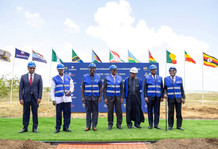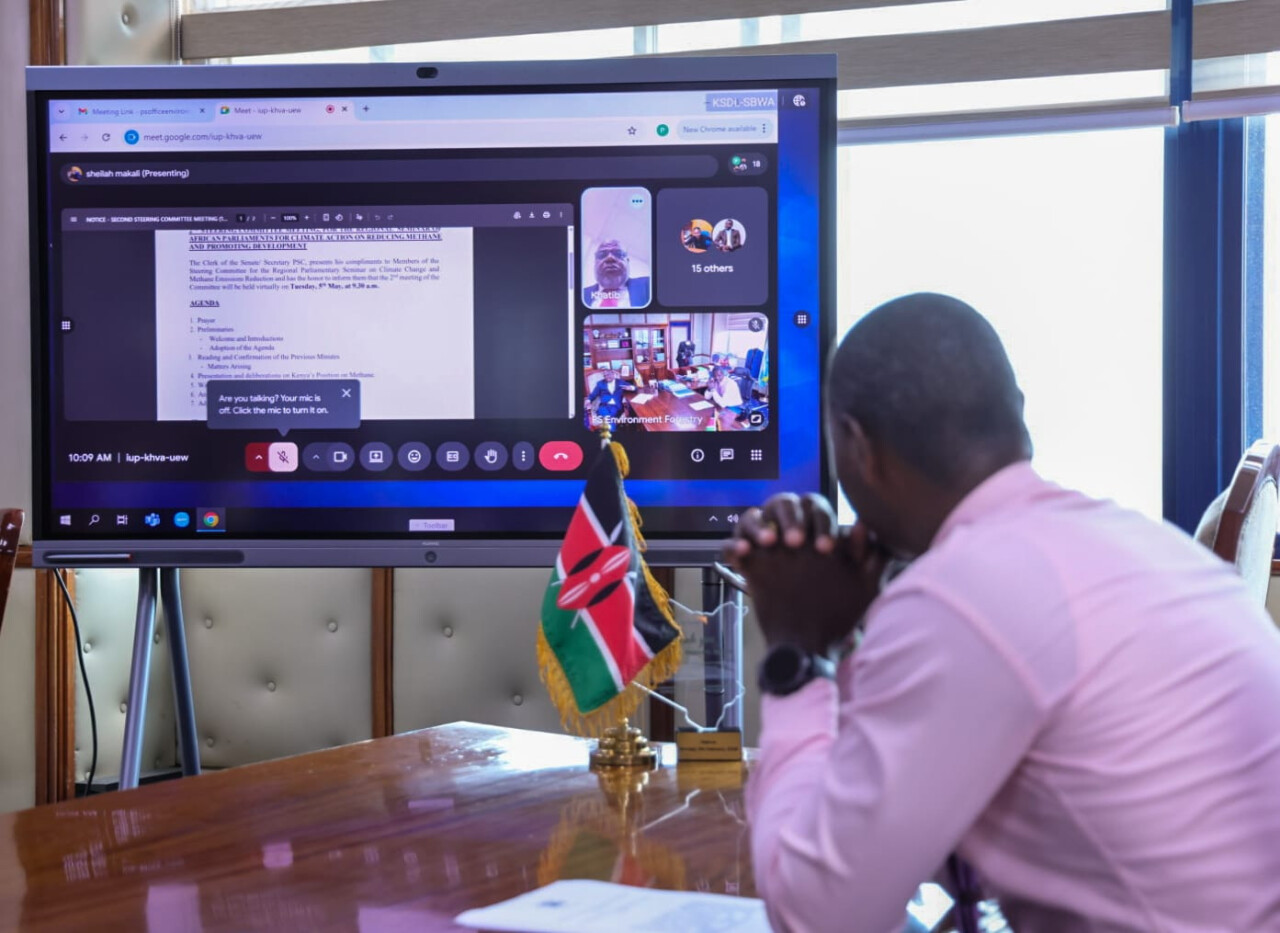
Kenya has called on African countries to adopt a fair and coordinated approach to reducing methane emissions, warning that climate policies must not undermine livelihoods across the continent.
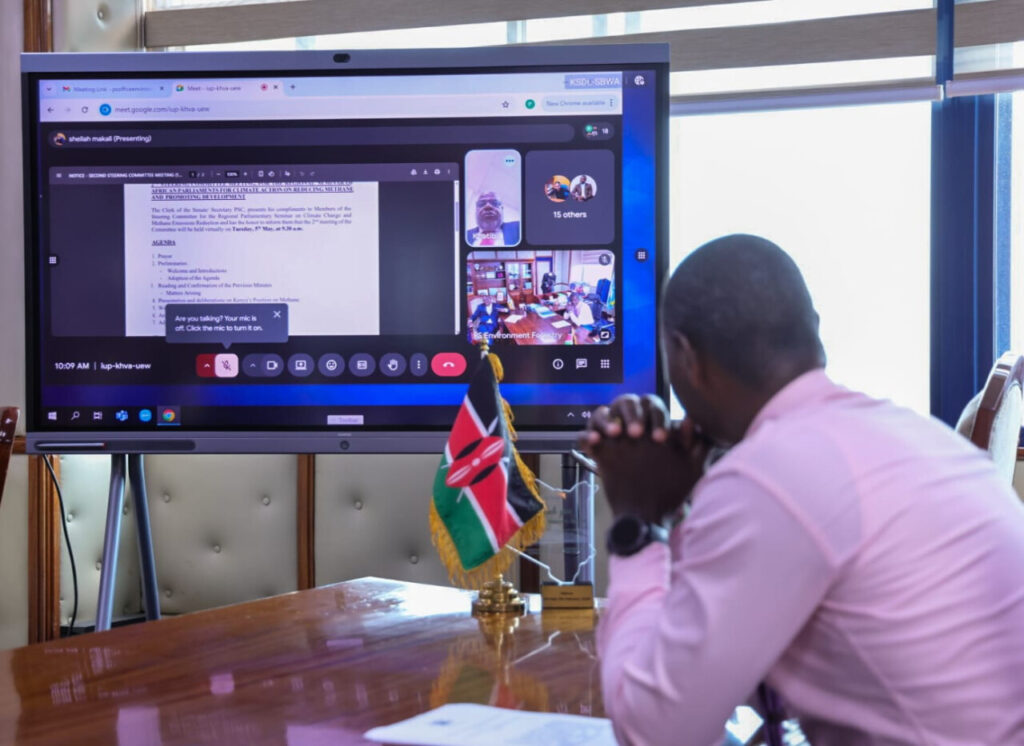
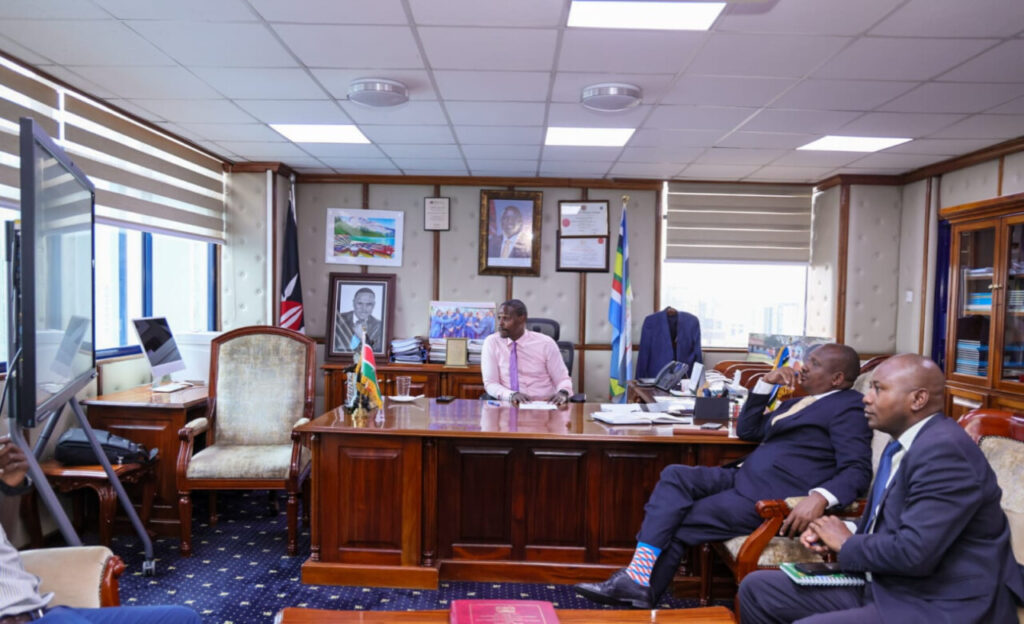
The call was made during a joint virtual session of the Senate and National Assembly held under the Regional Seminar for African Parliaments on Climate Action, which brought together lawmakers and stakeholders to deliberate on methane reduction strategies and sustainable development pathways.
The session, chaired by Mombasa Senator Mohamed Faki, focused on strengthening the role of African legislatures in advancing climate action and building a common parliamentary position on methane emissions.
Speaking during the meeting, the Principal Secretary for Environment and Climate Change, Dr. Eng. Festus Ng’eno, emphasized that while methane reduction is critical in addressing global warming, Africa’s socio-economic realities must be taken into account in global climate policy decisions.
He noted that methane is a highly potent greenhouse gas, significantly more impactful than carbon dioxide over a short period, and contributes substantially to global warming.
Dr. Ng’eno highlighted that Africa contributes a very small fraction of global greenhouse gas emissions but continues to suffer disproportionately from climate impacts such as droughts, floods, food insecurity and displacement.
He further pointed out that Kenya’s emissions remain below 0.1 percent of global totals, with most methane emissions coming from livestock and waste sectors.
The PS cautioned against interpreting emissions reductions during climate crises as progress, citing past drought-related livestock losses, and describing such outcomes as climate emergencies rather than environmental gains.

He stressed that methane reduction policies must be designed in a way that does not compromise food security or undermine poverty reduction efforts, particularly for pastoralists and smallholder farmers.
“Policies aimed at reducing methane emissions must not compromise the livelihoods of pastoralists, smallholder farmers, or rural households. Africa will not pay for this crisis with her people’s livelihoods,” he said.