Fines collected by courts for minor offences, including traffic violations, fell by nearly 17 per cent in the 2023/24 financial year, signaling a sharp decline in criminal filings across the country.
According to the Judiciary’s latest annual report, fines amounted to Sh1.22 billion, well below the targeted Sh1.58 billion.
Magistrates courts, which handle most criminal matters, recorded 25,000 fewer cases, a trend Chief Justice Martha Koome linked to the reduced revenue.
The report shows that fines contributed 42.34 per cent of the Judiciary’s total revenue, down from 53.33 per cent and 49.345 per cent in the previous two financial years. Court fees remained the biggest revenue driver at 47.35 per cent.
“The drop is primarily attributed to a reduction in the number of criminal cases filed,” the report states.
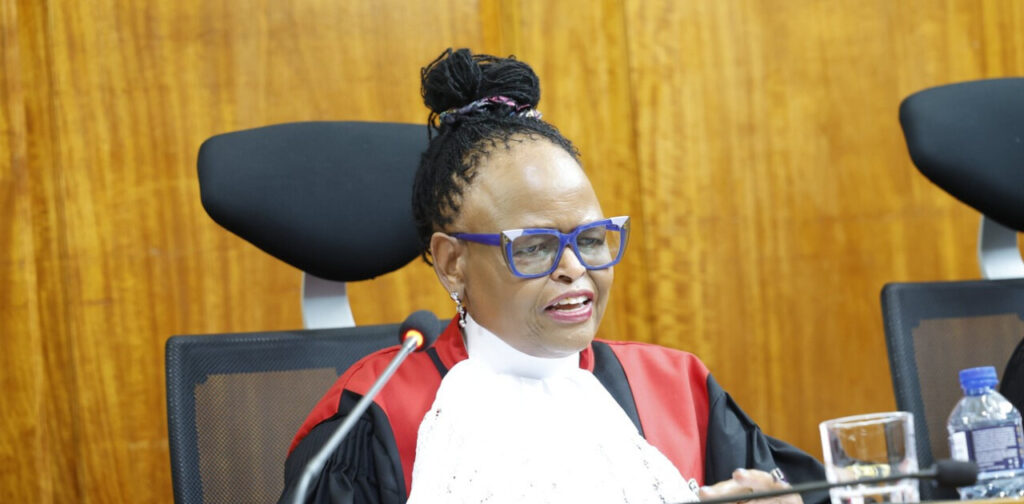
Data from the National Council on the Administration of Justice confirms a significant decline in criminal cases handled by lower courts, where most fines are issued.
The Judiciary is also struggling with a serious staffing deficit, currently operating at 64 per cent of its approved establishment. It has 6,979 employees against a requirement of 10,870. CJ Koome said the shortage has increased the workload for staff and called on the Treasury to allocate more resources for recruitment.
Despite the constraints, the Judiciary recorded notable improvements in efficiency, achieving a 104 per cent case clearance rate and reducing the backlog to 30 per cent.
“It demonstrates a justice system that is becoming more open, more inclusive and more responsive to the needs of the people,” Koome said, highlighting progress under the Social Transformation through Access to Justice blueprint.
Complaints against judicial officers remained high during the year. Magistrates received the most grievances at 651, followed by High Court judges at 278. Adjournments were among the most frequently reported issues across all courts except the Supreme Court.
Lower courts also recorded complaints related to judicial discretion at 29 per cent and missing files at 13.2 per cent, trends also observed in the High Court.
Integrity related complaints totaled 110, including 57 against magistrates, 51 against judicial staff, and two against judges. The report states that the figures point to persistent ethical vulnerabilities within the institution.
“These figures highlight the need for ongoing ethics training, stronger oversight mechanisms and a deeper culture of integrity to protect judicial credibility and maintain public trust,” the report notes.
Petitions filed before the Judicial Service Commission seeking the removal of judges increased to 143, up from 100 the previous year. The commission resolved 82 cases, leaving 132 pending. The increase is attributed to growing public awareness of available accountability channels.
The Judiciary reported a Sh22.1 billion funding deficit, having received Sh22.78 billion against a requirement of Sh44.9 billion. Similar shortfalls were recorded in the previous two years, at Sh20.75 billion and Sh18.42 billion.
Speaking during the launch of the report, Deputy President Kithure Kindiki urged courts to refrain from issuing orders that halt government projects, saying such interventions disrupt the mandate given to the administration by voters.
“By electing a government, Kenyans give it a mandate to implement its manifesto. Court orders halting projects effectively block the will of the people,” he said.