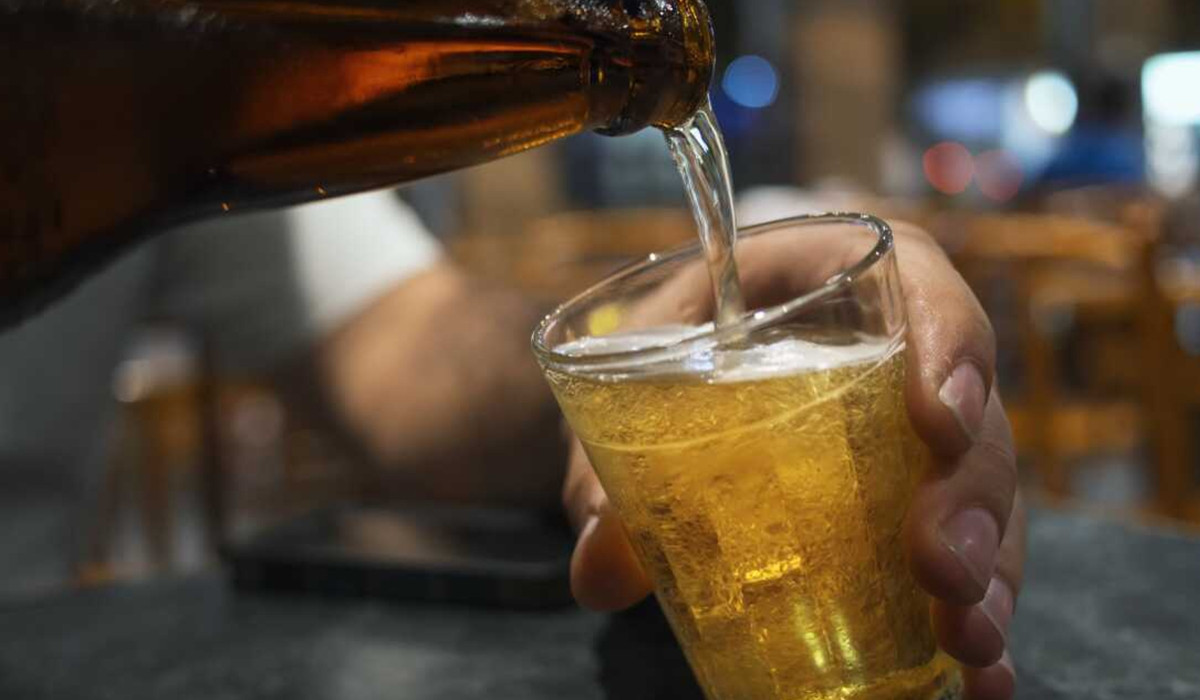
The World Bank (WB) has recommended that Kenya raise excise taxes on alcohol, tobacco, and sugar-sweetened beverages to help clear mounting pending bills that continue to strain the government’s finances.
In its latest Sub-Saharan Africa Economic Outlook Report, the lender urges the state to “clear pending bills and finance their payment with higher consumption taxes.”
The call comes as the government grapples with a surge in unsettled obligations to suppliers, contractors, and pensioners.
According to data from the Controller of Budget (CoB), pending bills rose by Sh8.57 billion to Sh524.84 billion in the 2024/25 fiscal year, up from Sh516.27 billion the previous year.
The WB’s proposal is aimed at helping Kenya strengthen its fiscal position as part of broader reforms to improve debt sustainability and public service delivery.
Kenya already levies some of the highest taxes on alcoholic drinks and tobacco in Africa, with the aim of curbing misuse and boosting revenue. These include excise duty, a 16 percent value-added tax (VAT), import duties, licensing fees, and the cost of compliance under the Excise Goods Management System (EGMS).
The frequent tax hikes have, however, drawn sharp criticism from industry players, who argue that excessive taxation hurts business and fuels the consumption of illicit products.
Kenya’s tobacco tax share currently ranges between 70 and 74 percent of the retail price, among the highest in the region.