The Higher Education Loans Board (HELB) is facing a massive student loan recovery crisis, with more than Ksh.40 billion still outstanding—some of it dating back over 20 years.
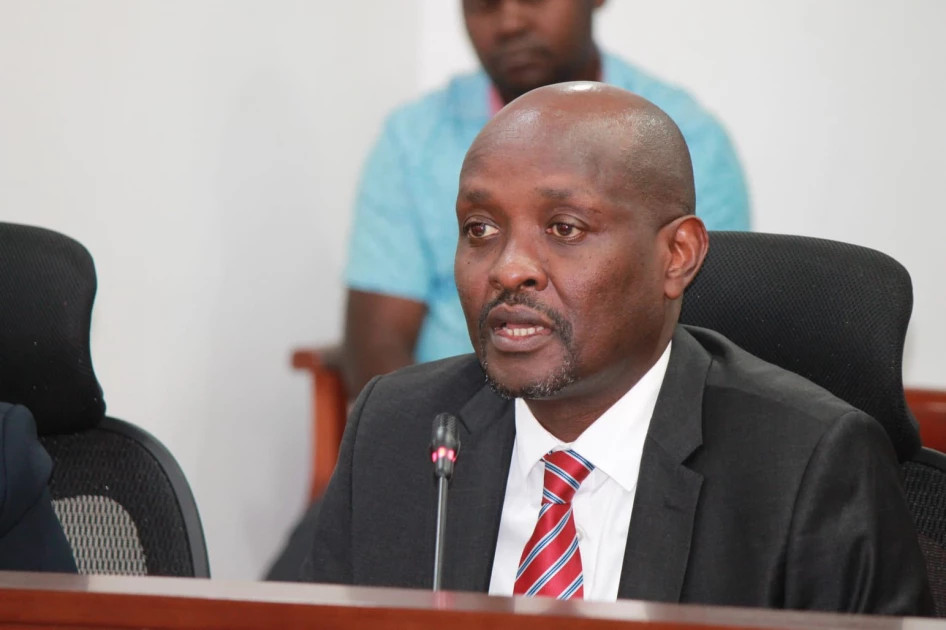
HELB CEO Geoffrey Monari, speaking during a Tuesday interview with Citizen TV, painted a sobering picture of a system struggling to recoup its loans from thousands of beneficiaries who have long moved on from campus life.
According to Monari, tens of thousands of Kenyans who borrowed the loans more than two decades ago are yet to pay back, with many now deeply embedded in the private sector or running their own practices—yet out of HELB’s reach.
Others who graduated between one and eleven years ago account for the largest chunk of the debt, as many are either unemployed, in between jobs, or still trying to settle into life after school.
Monari expressed concern that a significant number of professionals—including lawyers, engineers, accountants, and even doctors—are not repaying their loans.
Some have completed payment, but the majority remain unresponsive, making debt recovery a daunting task. Only a handful of these professionals have shown a consistent repayment record, with teachers emerging as the group with the highest repayment compliance.
The problem, according to HELB, is not just unwillingness but also the informal nature of employment in the private sector, which makes it difficult to track borrowers.
Monari noted that this situation has severely impacted HELB’s ability to support the next generation of learners, saying that the amount owed could fund nearly 289,000 students through a full academic year in universities and colleges across Kenya.
To tighten the net, HELB has already blacklisted over 71,000 defaulters in an aggressive push to recover funds. Yet the board acknowledges that without better tracking systems and stronger enforcement, the cycle may continue.