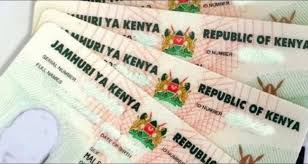
The government is planning to acquire up to 300 live capture machines in 2026 in a bid to speed up the issuance of national identity cards and take registration services closer to citizens, especially in remote and underserved parts of the country.
The plan was announced on Tuesday, December 16, by Principal Secretary for Immigration and Citizen Services Dr Belio Kipsang during the State Department’s Annual Review Meeting. He said the move is part of a broader effort to ensure that no Kenyan is locked out of government services and civic rights, including the right to vote.
According to Dr Kipsang, the additional machines will significantly strengthen mobile registration by allowing faster and more efficient capture of biometric data required for national ID issuance.
“These machines will help us reach wananchi where they are, particularly in areas that have historically recorded low registration numbers,” he said.
He praised the department’s directorates for the progress made in digitising and upgrading systems, noting that improved infrastructure has already translated into better service delivery. Among the key improvements are the strengthening of the e-Citizen platform and the rollout of mobile registration initiatives such as Usajili Mashinani.
Launched in October 2025 by the Ministry of Interior, Usajili Mashinani is a mobile outreach programme targeting counties with persistently low ID registration rates. The first phase focused on 15 counties, including Turkana, Baringo and Elgeyo Marakwet.
Dr Kipsang said the planned deployment of more live capture machines will support the government’s SHIRIKA Plan by increasing ID registration, which is critical for access to government services, social protection programmes and digital platforms.
The government now intends to equip all 1,450 wards across the country with the machines in 2026, effectively decentralising ID registration to the grassroots. With the technology, biometric data can be captured and verified within minutes, and successful applicants are expected to collect their ID cards within seven days.
The push comes as the government targets at least one million new ID card holders in the coming year. The IDs will enable citizens to enrol in services such as the Social Health Authority (SHA) and register as voters ahead of the 2027 General Election.
Dr Kipsang revealed that the National Registration Bureau has already cleared application backlogs and increased its printing capacity to 32,000 ID cards per day, cutting processing time to between seven and ten days. This is against the backdrop of an estimated six million Kenyans who are expected to require new or replacement IDs this year.
To encourage mass registration, President William Ruto waived processing fees for first-time applicants and those seeking replacements a move the opposition has criticised as politically motivated ahead of the next election.
Even so, Dr Kipsang urged officials to maintain the momentum, improve efficiency and prioritise timely issuance of IDs as the government steps up efforts to bring essential services closer to the people.