In the rural communities of Balambala and Lagdera in Garissa County, community health promoters (CHPs) are typically the first responders when there is a snakebite.
They rush to administer first aid, calm distraught families, and guide them on what to do next.
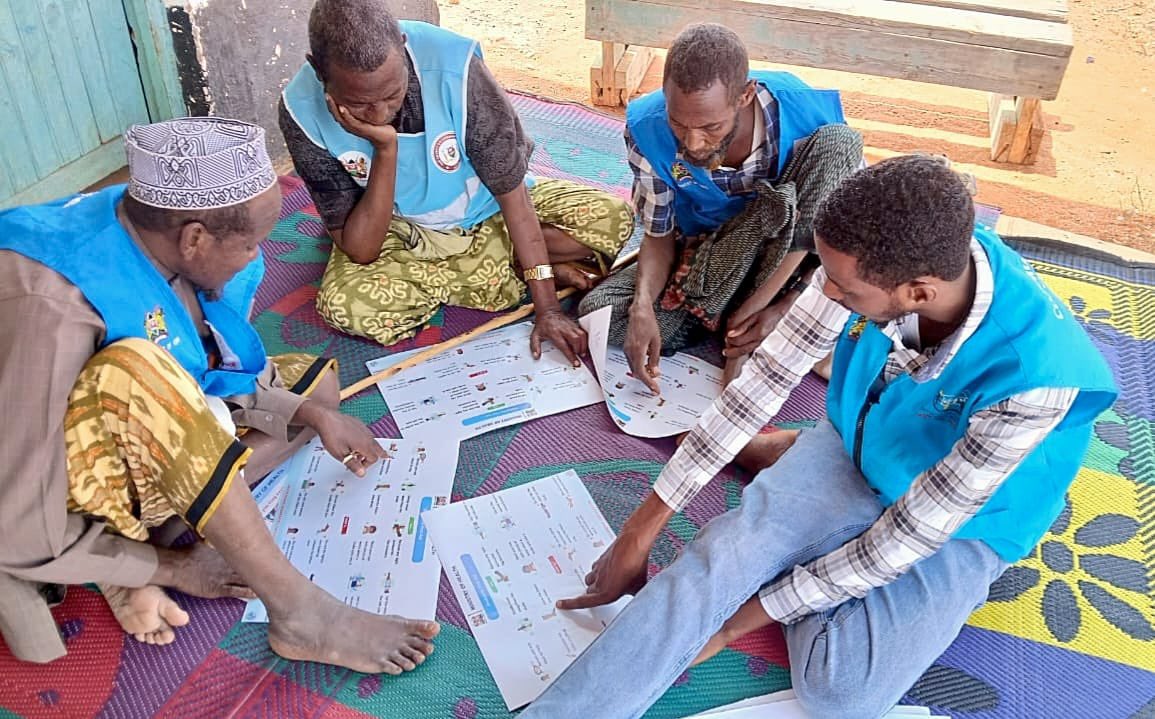
Now, their job has been boosted after the Ministry of Health, in conjunction with the Kenya Snakebite Research and Intervention Centre at the Kenya Institute of Primate Research, trained them on how to handle snakebites more effectively.
The training focused on prevention, early recognition of symptoms, and when to refer patients to hospitals.
The CHPs were also given simple educational materials for them to raise awareness in their villages, from how to avoid snakebites while farming to what not to do if bitten.
This information will truly be helpful to us,” said one of the health workers during the session. “Snakebites are common here, and many panic because they don’t know what to do. Now we can better advise them and even save lives.”.
The programme also promoted peer learning, where CHPs had space to share experiences and tips with each other.
Authorities further state that such a network will make communities more resilient and prepared for emergencies.
For the residents of Garissa, where hospitals can be miles away, qualified health promoters in the area could mean the difference between life and death.