Traders in Eastleigh, Nairobi will now be required to start issuing electronic tax receipts from May 1, as the government moves to tighten tax compliance in the busy business hub.
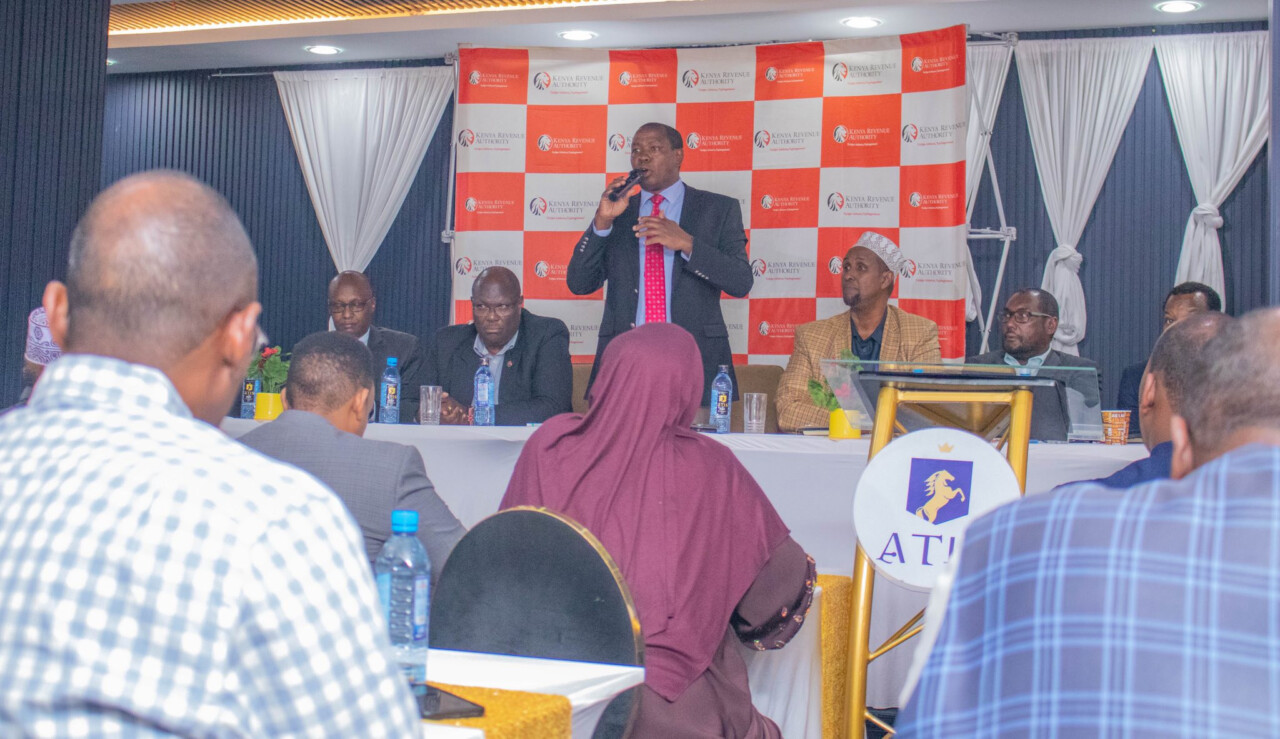
The move by the Kenya Revenue Authority (Kenya Revenue Authority) comes after talks with the Eastleigh Business District Association, where concerns were raised over low use of the electronic Tax Invoice Management System (eTIMS).
KRA says many businesses in the area are still not issuing proper tax invoices, something that has made it hard to track sales and ensure taxes are paid.
According to KRA Commissioner for Micro and Small Taxpayers George Obell, the low use of the system has affected tax compliance not just in Eastleigh but also in other parts of the country that rely on goods from the area.
He said many traders prefer cash transactions and often fail to issue invoices, which later causes problems for businesses that want to claim expenses.
“Many businesses across the country buy goods from Eastleigh but cannot get proper invoices. This makes it hard for them when filing taxes,” he said.
He added that KRA will help traders adjust by offering support such as registration, training, and help in using the eTIMS system.
On their part, Eastleigh Business District Association Secretary General Omar Hussein said traders have been given until May 1 to start issuing ETRs, noting that compliance is now a must.
He noted that Eastleigh is a significant trading hub, where the traders originate from all over Africa, and running their businesses without paying taxes is not feasible.
On the other hand, Mr. Njuguna also noted that some traders are having problems with the process due to language barriers and complexities associated with tax payment processes.
He stated that many traders have difficulties comprehending what is required of them, hence delaying the compliance process.
In light of this, the KRA stated that they would send officers who speak the native language to offer guidance and also establish service desks within malls.
Eastleigh remains one of Nairobi’s busiest business areas, known for wholesale shops dealing in clothes, electronics, and household goods imported from different countries.
The area, often referred to as “Little Mogadishu,” continues to play a big role in Kenya’s economy, even as it has recently faced scrutiny over financial and business practices.