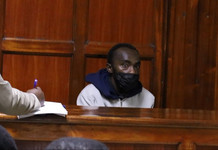
Two Directorate of Criminal Investigations (DCI) officers who have been looking into the filmmakers accused of producing BBC’s Blood Parliament documentary may soon find themselves facing perjury charges. This comes after new concerns that the officers may have lied in affidavits they submitted to the court.
During a court appearance on Thursday, November 20, Advocate Ian Mutiso told the magistrate that the Office of the Director of Public Prosecutions (ODPP) had now given direction on the matter.
According to Mutiso, the ODPP is expected to announce on November 27 whether four filmmakers linked to the documentary will be formally charged.
He further asked the court to summon the two DCI officers over allegations that they gave false information in their sworn statements. Mutiso also asked the court to close cases related to the extraction of data from the filmmakers’ devices, which were taken while in government custody.
Mutiso emphasized that perjury is a serious offence, adding that the defence intends to push for full accountability to protect the filmmakers’ privacy and uphold due process.
The magistrate scheduled the next court mention for November 27 at 2:30 p.m., when new evidence will be reviewed and a decision made on whether to proceed with issuing summons.
The four filmmakers were arrested on May 5, 2025, following a raid on their studio in Karen, during which their equipment was confiscated. They were held at Pangani and Muthaiga police stations before the court ordered their release on bail the next day. On May 7, the High Court granted them anticipatory bail of Ksh 10,000 and prohibited DCI officers from harassing or rearresting them. The filmmakers were instructed to appear at DCI headquarters on May 21.
In a separate ruling later that month, the ODPP was given 21 days to decide whether to charge the individuals. This followed DCI claims made in sworn affidavits that the filmmakers had worked with the BBC and others to publish false and damaging information about Kenya’s state security agency.