The Bottom-Up Transformational Economic Agenda (BETA) of the Kenya Kwanza administration is three years in, and the Affordable Housing Programme (AHP) is being hailed as the most significant achievement.
Lands, Public Works, Housing and Urban Development Cabinet Secretary Alice Wahome said the initiative has energized the local economies by not only generating thousands of jobs but also by stimulating the supply chains in the areas where they are implementing the projects.
“The scope of these works has changed the lives of the people – creating jobs and ensuring the survival of businesses that are supplying building materials, food, and other necessities,” she said.
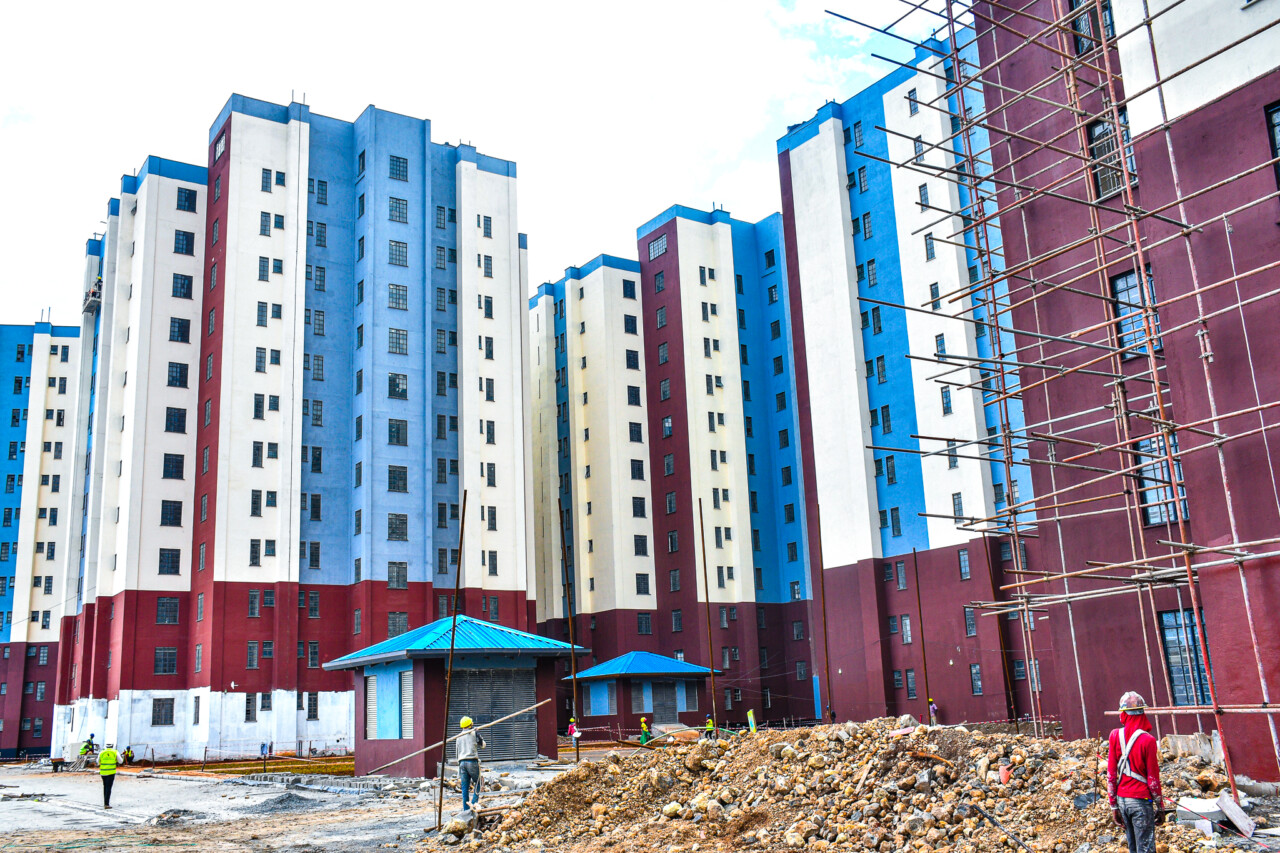
There are more than 195,000 housing units being built in 111 constituencies in 44 counties presently, with projects in Marsabit, Turkana, and West Pokot to be established soon.
Since 2022, the programme has created over 330,000 jobs directly and indirectly. KES 11 billion has been allocated for Jua Kali artisans and MSMEs working in the housing and market construction sectors.
Principal Secretary Charles Hinga said the government intends to create “two jobs per unit i.e. one directly on-site and one in the local community, which will be indirectly impacted by the project.
He added that besides, the program is also opting to achieve local manufacture of assembly of mechanical, electrical, and plumbing components by the use of the ringfencing method. Units were put on sale in November 2024, with 4,888 houses spread over 24 sites released.
Interested buyers can create an account on the Boma Yangu platform, which costs KES 200 to activate, and start saving for a 5% deposit. The AHP for institutional housing also consists of 12,709 units under construction for security personnel and plans for 177,686 student housing beds to alleviate accommodation crises in public tertiary education and university institutions.
In addition, the government has started developing 400 modern markets across the country not only to bring dignity to the traders but also to enhance local economic recovery. Out of these, 237 are ESP markets, 39 are modern markets at various stages of project implementation, and 21 metropolitan markets.
Three years later, the Affordable Housing Programme is not only the main driver of urban transformation but also a source of inclusive economic growth, employment, and social change, which is a direct reference to its slogan of “one transformed life at a time.”