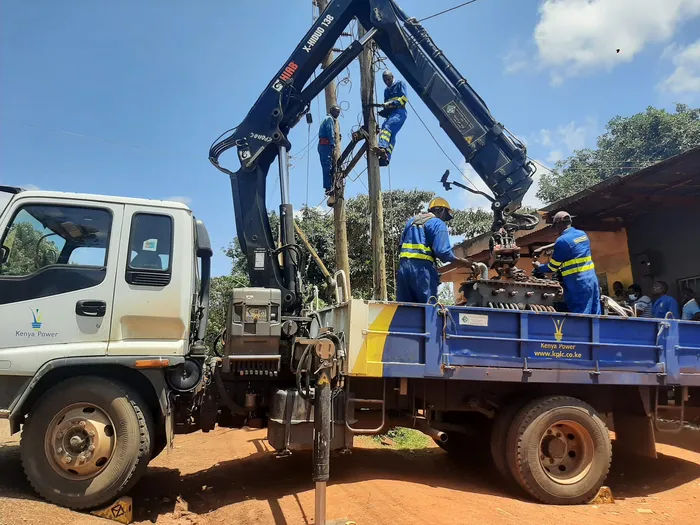
Kenya’s electricity market could soon see more competition after Members of Parliament approved proposed regulations that would allow large power consumers to purchase electricity directly from independent producers instead of relying solely on Kenya Power.
The National Assembly’s Committee on Delegated Legislation gave conditional approval to the proposed Energy (Electricity Market, Supply and Open Access) Regulations on Thursday, November 19, following a meeting with officials from the Energy and Petroleum Regulatory Authority (EPRA).
The proposed changes are intended to open up the electricity market by giving independent power producers an opportunity to sell electricity directly to large consumers, including industries and other major power users.
Under the new arrangement, electricity producers will also be allowed to use existing transmission and distribution lines owned by other companies to deliver power to their customers. They will, however, be required to pay regulated charges for using the infrastructure.
Speaking before the committee, EPRA Director General Edward Kinyua said the changes would introduce more competition into a market that has largely depended on a single dominant electricity distributor.
“For a very long time, our market has been monopolised,” Kinyua told MPs.
He said allowing more suppliers into the market would give consumers greater choice while encouraging electricity providers to improve their operations.
“The reforms will create competition, drive operational efficiency, and lower power tariffs to make Kenya a competitive manufacturing hub,” he added.
For large electricity users, particularly manufacturers, the proposed regulations could provide an alternative to buying all their power from Kenya Power.
This would allow eligible businesses to negotiate supply agreements directly with independent power producers, potentially giving them more flexibility in managing their electricity costs.
However, the proposal is not without concerns, with MPs seeking clarity on some of the requirements set out in the regulations.
During the meeting, committee members questioned a provision requiring participants in the electricity market to provide performance security.
Kathiani MP Robert Mbui requested for EPRA to explain further on whether the requirement would apply to consumers too, contending that the regulation should differentiate the requirements of the supplier and the buyer.
In reply, Kinyua argued that the regulation would ensure that there will be compensation to the consumer in case the electricity suppliers fail to supply the agreed power to the consumers.
Kinyua promised that he would review the language so that the document would clearly show who would offer the guarantee and how the requirement would operate.
The approval by the committee depends on EPRA making changes proposed by the members of parliament.
They include improving on some of the definitions in the regulations and documents to prove that public participation took place before the regulation was presented for approval.
Once the issues are sorted out, the regulation can serve as an enabling mechanism for big electricity consumers to explore more alternatives in accessing electricity in Kenya.