The Pharmacy and Poisons Board (PPB) has intensified its fight against illegal pharmaceutical operations after arresting 95 individuals and closing 48 unlicensed medicine outlets during a week-long enforcement operation in Nairobi and Kajiado counties.
The surveillance exercise, which ended on 19 June 2026, targeted pharmaceutical premises suspected of operating outside regulatory requirements, with inspections conducted in areas including Kibra, Korogocho, Eastleigh, Dandora, Mathare, Embakasi, Nairobi West and Rongai.
According to PPB Head of Good Distribution Practices and Enforcement Julius Kaluai, the operation uncovered widespread violations of pharmaceutical regulations, leading to arrests and legal action against those responsible.
“Out of the 155 premises inspected, 95 were found to be operating illegally and the individuals responsible were arrested. The suspects have since been presented before courts in Kajiado, Kibra and Makadara, and we are awaiting the outcome of the cases,” said Kaluai.
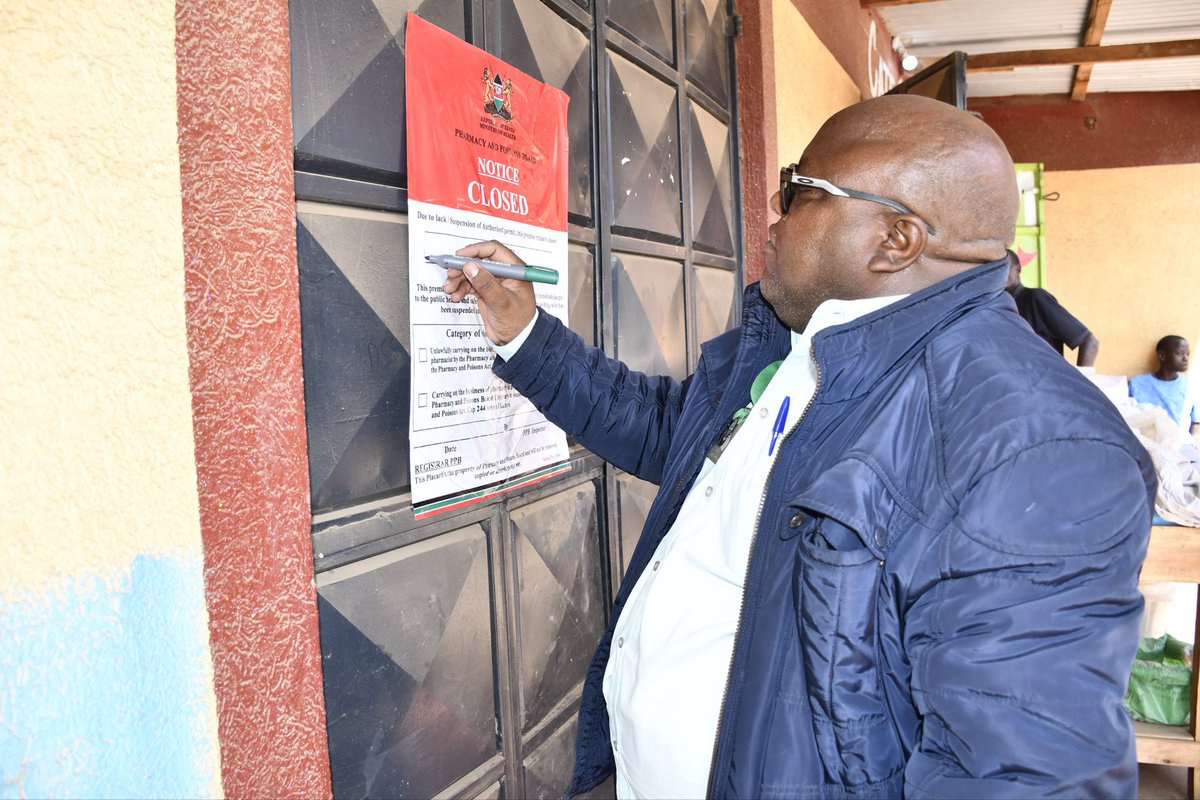
The regulator also ordered the immediate closure of 48 premises that were operating without valid licences. PPB said it has partnered with county governments, security agencies and the National Police Service to ensure the outlets remain closed and do not resume illegal operations.
“The premises have been marked and closure notices issued. We have also written to county security commanders, county governments and the National Police Service to ensure the facilities do not resume operations,” Kaluai added.
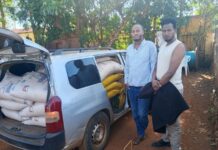
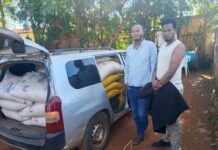
During the crackdown, PPB officers seized approximately 169 cartons of medicines from the illegal outlets. The confiscated products are being preserved pending court directions on their disposal.
Kaluai warned that operating pharmaceutical businesses without proper licensing poses a serious threat to public health by exposing Kenyans to medicines that may not meet required safety, quality and efficacy standards.
He urged all medicine providers to comply with regulatory requirements, noting that offenders face prosecution and additional regulatory measures, including possible loss of licences.
The PPB also called on members of the public to buy medicines only from registered pharmacies and chemists, advising customers to confirm that facilities display valid licences before purchasing medical products.
“Licensed premises are required by law to display their licences prominently where clients can easily see them. Members of the public should always verify these licences before seeking services or purchasing medicines,” said Kaluai.
The Board said it will continue strengthening surveillance, enforcement and public awareness campaigns to curb illegal pharmaceutical practices and protect Kenyans from unsafe and unregulated medicines.