The High Court in Kerugoya has temporarily stopped the rollout of NTSA’s new smart driving licence system and the planned automated traffic fines programme, dealing a major blow to a project that was expected to change how traffic offences are enforced in the country.
In orders issued by Justice Dennis Kizito, the court suspended the implementation of a 21-year Public-Private Partnership (PPP) agreement between the National Transport and Safety Authority (NTSA) and Pesa Print Limited pending the hearing and determination of a case filed by the Road Safety Association of Kenya.
“The implementation of the Public-Private Partnership between NTSA and Pesa Print Limited consortium relating to smart driving licences, automated traffic fines and associated services has been suspended,” the court ruled.
The case was certified as urgent, with the respondents directed to file their responses within 10 days. The matter is scheduled to be mentioned in court on June 21.
The project had been presented as a major step towards modernising road safety enforcement and driver identification in Kenya.
Under the plan, motorists would have been required to acquire second-generation smart driving licences at a cost of Ksh3,050. Pesa Print was to handle the design and printing of the cards, while a local bank was expected to oversee registration and enrolment.
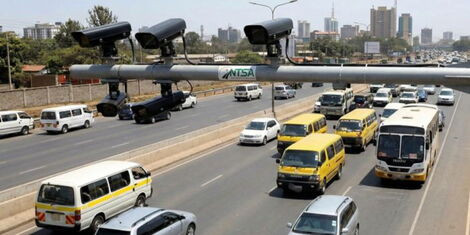
One of the most notable features of the project was the planned installation of 1,000 smart traffic cameras across the country. The system was to include 700 fixed cameras and 300 mobile units positioned along major roads and highways.
Traffic infractions would be automatically detected by the cameras, and the resulting penalties would be sent directly to the motorist via SMS messages and associated with their licenses.
Unfortunately, the scheme has faced legal hurdles in light of a petition filed by the Road Safety Association of Kenya requesting that it be halted.
In their petition, the organization challenged the manner in which the contract was awarded, claiming that the process involved was faulty since, contrary to the recommendations made by the Office of the Auditor General, the deal was directly procured.
The lobby organization further accused NTSA of implementing the project without proper public participation as relevant stakeholders within the transport sector were not properly consulted prior to its launch.
Moreover, petitioners contended that the multi-billion shilling project did not have the requisite approval from the NTSA Board.
The court order implies that the implementation of the smart license scheme will only be halted pending the determination of the same case.
This court ruling will certainly draw considerable interest from the motoring, transport and road safety sectors in light of the anticipated implementation of a revolutionary technological approach in the area.