A record 29 million Kenyans have registered under the Social Health Authority (SHA), marking a significant scale-up of the country’s new national health insurance system.
Public Health and Professional Standards Principal Secretary (PS) Mary Muthoni said the milestone reflects an aggressive nationwide registration drive and growing public response to the government’s call for households to enrol as part of efforts to protect families from the high cost of medical care.
“We are now at nearly 29 million registered individuals across the country, and we are encouraging households to register as families, not just as individuals,” she said.
“This is about protecting entire households so that when illness strikes, families are not pushed into poverty,” she added.
According to the PS, the scale-up has been driven by a coordinated approach involving national and county governments, chiefs and assistant chiefs, community health promoters and health workers at facility level.
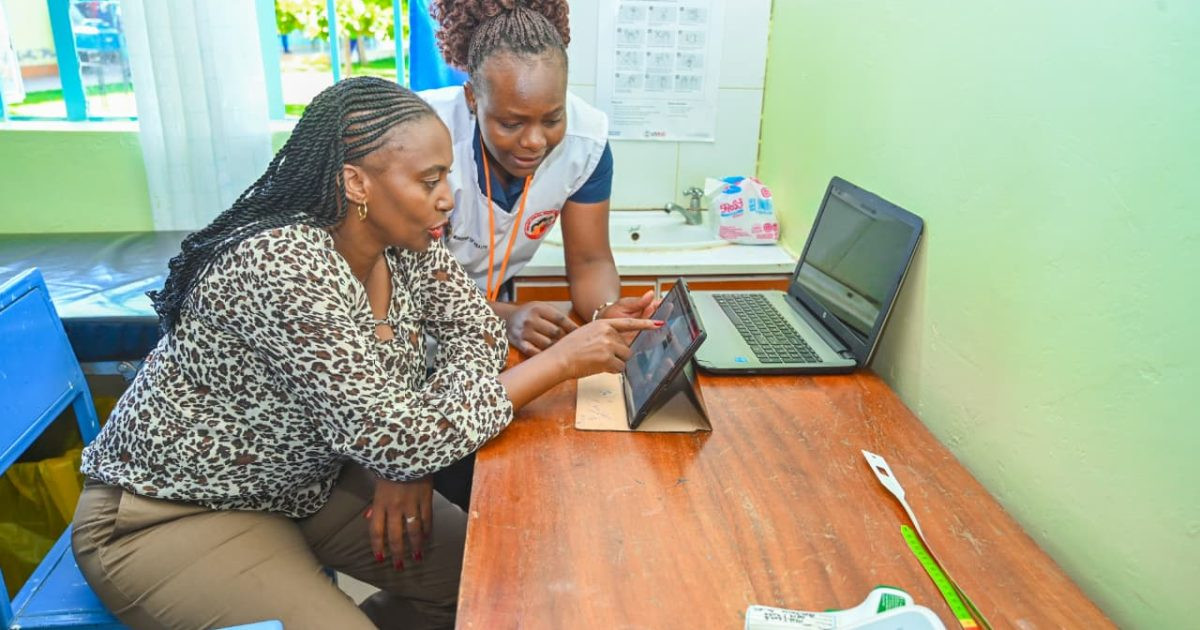
Speaking at Angola Health Centre in Kisumu East Sub-County on Tuesday during the launch of the Kenya Quality Model for Health Plus (KQMH+) programme, she said teams have been conducting door-to-door sensitisation, registration outreaches and public forums to explain how SHA works and why enrolment is critical.
To scale up the numbers further, the PS said special measures have been introduced to ensure vulnerable groups are not left behind.
“Young mothers, informal sector workers and people without national identity cards are being assisted through fast-tracked documentation and targeted community registration campaigns to ensure they can access health services when they need them,” she said.
The expansion of SHA registration, she said was a key pillar of broader health financing reforms that seek to move Kenya away from heavy reliance on out-of-pocket payments.
“For years, such payments have been blamed for forcing families to delay treatment, sell assets or fall into debt when faced with serious illness,” she said.
Under the new model, she said, contributions are pooled to allow members to access a defined package of services, with a strong focus on primary health care. This includes preventive, promotive and basic curative services delivered at community level, dispensaries and health centres, with referrals to higher-level facilities when necessary.
Muthoni described SHA as the financial backbone of the country’s Universal Health Coverage (UHC) agenda, working alongside other reforms such as the strengthening of primary health care networks, digitisation of health records and new laws to ring-fence funds meant for health services.