For years, residents of Gikomora village in Maragua, Murang’a County, have endured more than just bumpy rides on their journey to Maragua town—they’ve endured delayed medical care, missed school days, and crippling economic losses.
That is now set to change as the national government begins tarmacking the long-neglected Gikomora–Ngaburi road.
The seven-kilometer stretch, notorious for becoming impassable during the rainy season, has been a lifeline gone wrong for the farming community that relies heavily on bananas, milk, and other produce to sustain their livelihoods.
When rains pounded, the road often turned into a muddy trap, isolating the village and jeopardizing access to basic services.
Alice Wambui, a farmer and mother of three, recalls countless days when milk trucks skidded off the road, leaving their dairy produce to spoil.
“We have incurred heavy losses over the years,” she says. “Sometimes, bananas rot on the farm because we can’t move them to the market. With this road, we can finally do agribusiness in peace.”
But the implications go beyond farming. For Lydia Njeri, a mother of school-going children, the new road means safety and dignity. “Our children have struggled to attend school during heavy rains, and expectant women have risked their lives getting to hospitals,” she says.
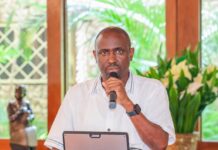
Local leaders agree. Maragua MP Mary Waithera says health emergencies have been among the most urgent concerns. “We’ve had pregnant mothers and elderly residents delayed for hours because ambulances could not pass through. This project is more than infrastructure—it’s about saving lives,” Waithera explains.
The road project, previously left out due to funding shortages during the Maragua Town–Ichagaki tarmacking, is now under the Kenya Rural Roads Authority’s mandate.
Waithera attributes its revival to persistent lobbying and government commitment to rural development.
The MP also called on residents to steer clear of divisive politics, noting that her focus remains improving livelihoods, not political rivalry. “My job is to deliver services. Politics will come later,” she said.