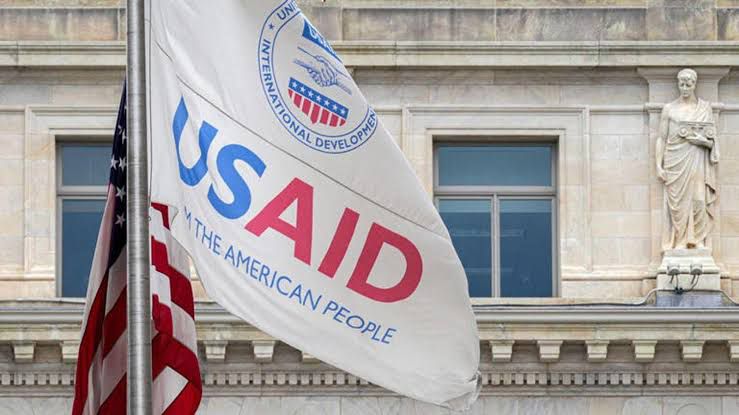
The United States Agency for International Development (USAID) has officially shut down after more than six decades of providing humanitarian aid around the world a move expected to cause widespread suffering, especially in developing countries.
US Secretary of State Marco Rubio announced the decision this week, confirming that all foreign assistance would now be managed through the State Department and strictly aligned with U.S. political and economic interests.
The end of USAID’s operations brings to a close a 64-year run of supporting communities across Africa, Asia, and other developing regions.
The agency was best known for funding free healthcare programmes, food relief, and disease prevention efforts, including HIV/AIDS and malaria control.
In Sub-Saharan Africa, where USAID played a central role in public health and food security, the impact is expected to be devastating.
A report published by The Lancet estimates that up to 14 million people could die globally by 2030 due to the withdrawal of U.S. humanitarian aid including 4.5 million children under five. The findings highlight severe consequences for HIV/AIDS treatment, malaria prevention, and maternal and child health.
In Kenya several health and agriculture projects have already been affected. In hospitals and clinics have been left without supplies, disrupted vaccination campaigns, and forced layoffs in community-based programmes that once relied on U.S. support.
According to The Lancet, USAID has helped prevent over 91 million deaths globally since it was launched.
Rubio defended the decision by stating that it was time for the U.S. to re-evaluate its role in global aid, citing a lack of political support at the United Nations from countries that have benefited from American generosity.
He also pointed hand on some NGOs of misusing funds, saying that the burden had become too heavy for U.S. taxpayers.
As the dust settles, the global aid community is strugling to fill the massive gap left behind a challenge many fear could prove insurmountable.