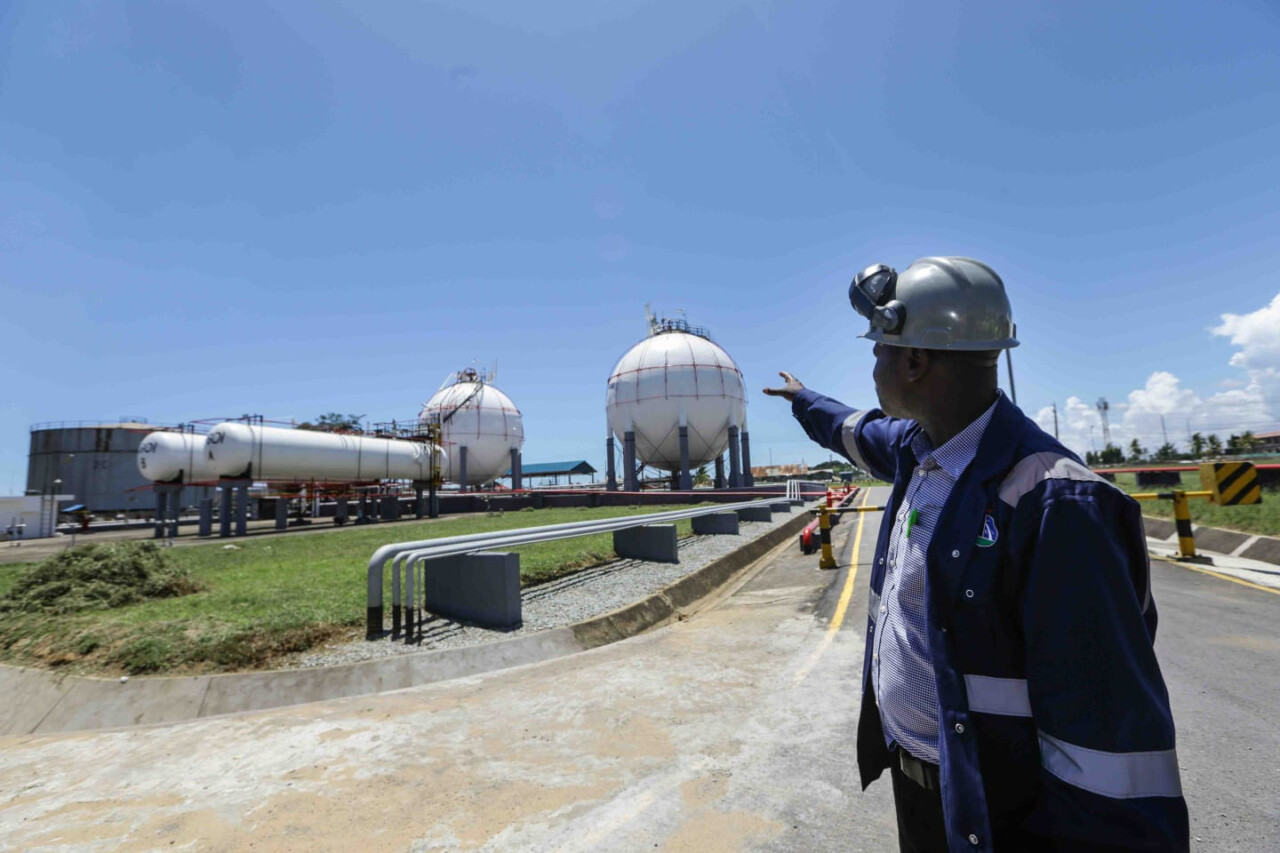
Senators have launched a formal investigation into the contentious lease of a 30,000-metric-tonne Liquefied Petroleum Gas (LPG) storage facility in Changamwe, Mombasa, to Nigerian-owned Asharami Synergy Ltd, a subsidiary of Sahara Group.
The inquiry by Senate Standing Committee on Energy, follows widespread concerns over transparency, legality, and the exclusion of the Kenya Pipeline Company (KPC), which had initially been tasked with developing the public-sector project.
The facility, located on a 23-acre parcel of public land, was designed to boost clean energy access and reduce household fuel costs.
However, the Ministry of Energy and Petroleum’s decision to lease the land to Asharami Synergy for 31 years has come under sharp criticism from legislators, civil society groups, and local residents.
Critics have raised questions about the opaque procurement process, the bypassing of KPC’s mandate under the Companies Act, and a lack of public participation.
The Office of the Auditor General has also flagged a potential loss of Ksh 192.6 million in public funds already spent by KPC on feasibility studies and engineering designs.
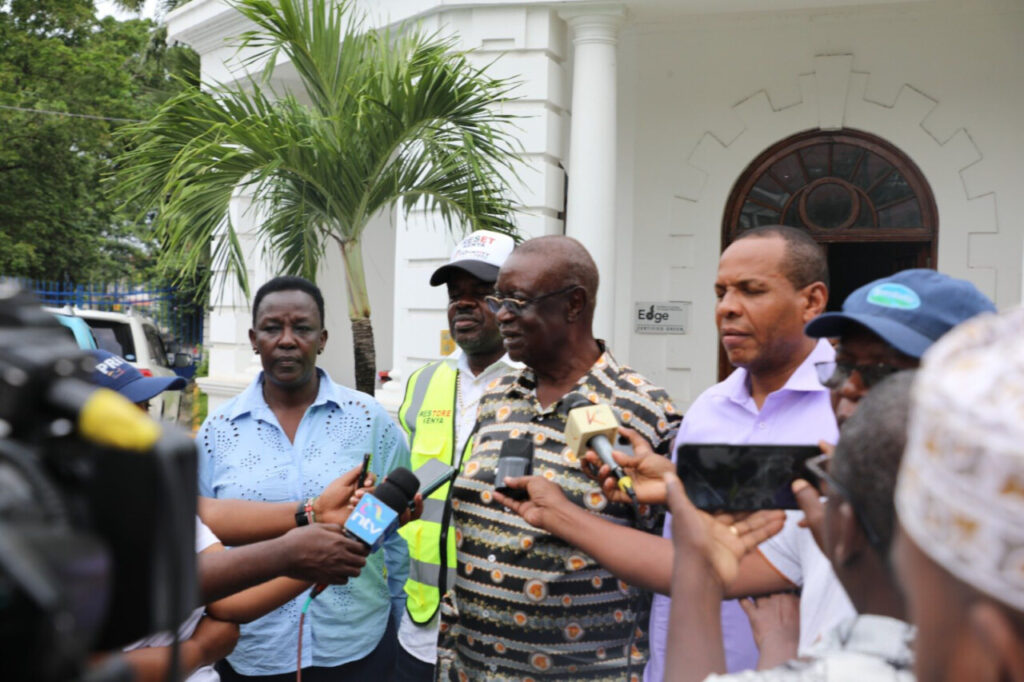
Residents of the Saragota area in Changamwe have submitted a petition to the Senate, citing historical land injustices, inadequate environmental impact assessments, and a failure by regulatory agencies such as EPRA and NEMA to engage affected communities. The petition was formally presented by Busia Senator Okiya Omtatah.
During a site visit to Mombasa, the committee also heard broader concerns about the management of energy infrastructure.
Governor Abdulswamad Sheriff Nassir criticized Kenya Power for failing to pay wayleave fees to the Mombasa County Government while swiftly disconnecting electricity — including at hospitals — over unpaid bills.
“Kenya Power expects timely payment of bills, yet they don’t honor their financial obligations to counties,” said Governor Abdulswamad.
In response, Senator Dr. Oburu Oginga said the Senate is working on legislation to prevent electricity disconnections at critical public institutions like hospitals.
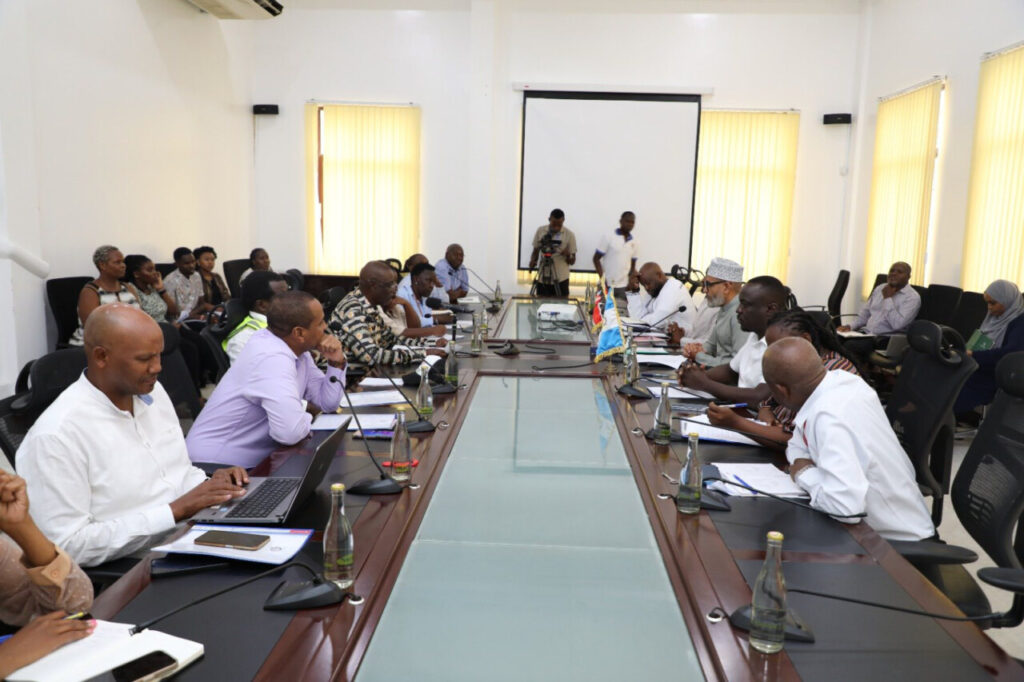
However, Senator Ogolla pointed out that counties must also honor their obligations, noting that many fail to pay outstanding electricity bills.
Senator Danson Mungatana called for amendments to the Energy Act to clarify the responsibilities between national and county governments. He urged the national government to cover costs for security-related infrastructure, such as street lighting.
Despite the controversy, the Changamwe LPG project could deliver significant public benefits if managed transparently.
These include a projected 30% drop in domestic LPG prices, reduced reliance on wood fuel, and expanded revenue options for KPC.
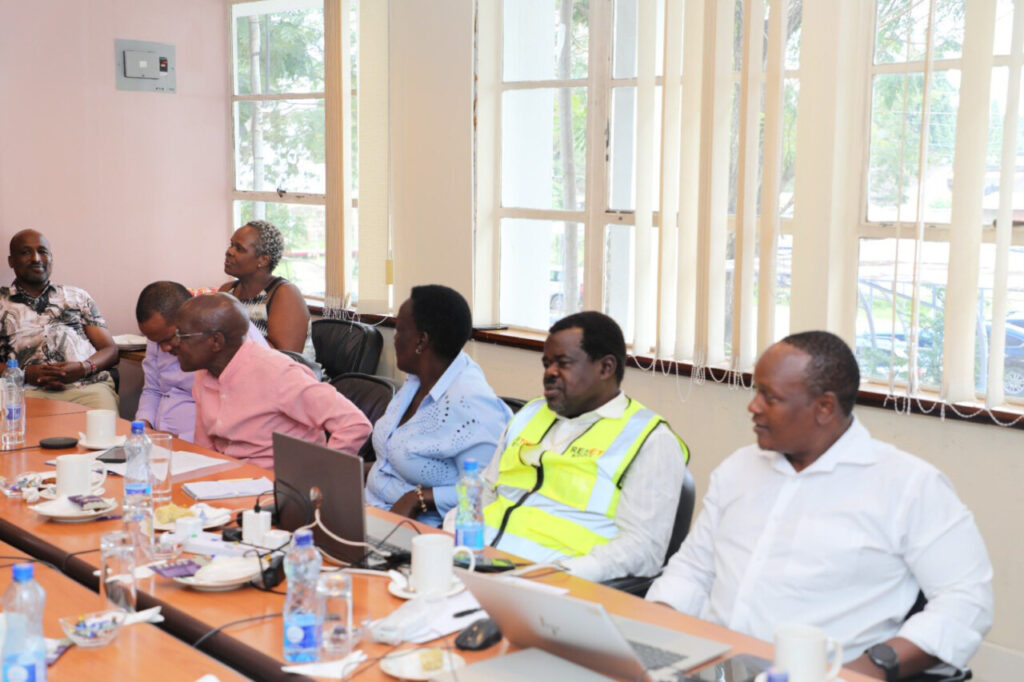
The Senate Energy Committee is expected to table its findings in the coming weeks and may propose legislative or policy reforms to safeguard public interest and restore trust in the project.