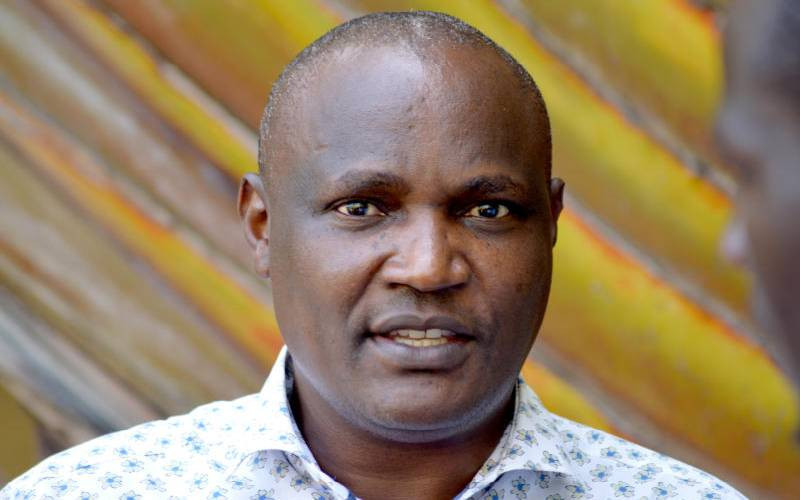
The National Treasury and Economic Planning Ministry has officially announced that Cabinet Secretary John Mbadi will present his maiden national budget estimates on June 12, 2025, in what is expected to be a landmark moment both for the country’s economy and his own political trajectory.
Mbadi, who was appointed to the powerful docket last year, will deliver the statement before Parliament at 3 p.m. as required by law.
This will be his first national budget since taking over the reins of the country’s financial planning, a position often seen as central to shaping not only government priorities but also influencing national politics.
His debut comes at a critical time. Kenya is still grappling with a debt-strained economy, rising public expectations, and the lingering effects of last year’s countrywide protests against the Finance Bill.
Mbadi now finds himself facing a defining test—reconciling fiscal discipline with public demands and development goals, all while working under the weight of ballooning national debt.
The 2025/26 budget, whose policy statement was released earlier this year, is projected to rise to KSh4.26 trillion, marking an increase from the previous year’s KSh3.98 trillion.
The government is banking on tax reforms and improved revenue collection to raise KSh3.39 trillion, including ordinary revenue estimates of KSh2.84 trillion.
However, concerns remain over whether the targets are realistic in an economy still recovering from multiple shocks.
Education has emerged as the biggest priority in this year’s estimates, receiving the lion’s share of allocations.
However, critics argue that despite the hefty budgetary commitment, significant gaps persist in meeting the actual needs of the sector, especially with the ongoing implementation of new curriculums and growing enrollment.
A key feature of this year’s budget is the shift toward a zero-based budgeting model, where every government expenditure must be justified afresh rather than based on previous allocations.
This approach, according to Mbadi’s team, is aimed at enhancing transparency, eliminating wastage, and ensuring that funds are directed where they are most needed.
The National Government is set to receive a significantly larger allocation than in previous years, with the Executive taking the biggest share.
Parliament and the Judiciary follow, while county governments have seen a drop in their allocation compared to the 2024/2025 financial year, a move likely to spark debates among governors.
In a public notice issued on January 15, CS Mbadi invited Kenyans to submit their views on the budget, saying that public participation remains a constitutional requirement and a critical part of shaping national financial priorities.
The ministry had given the public until January 21 to submit their comments.