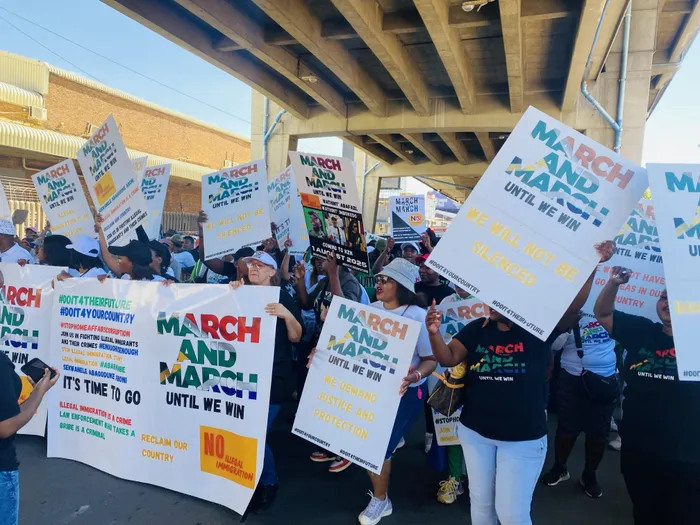
By Mishel Akinyi
For decades, South Africa has been regarded as a beacon of hope on the African continent, a nation that overcame the injustices of apartheid and embraced the promise of democracy. Yet beneath this inspiring history lies a recurring crisis that continues to threaten lives, communities and regional unity: xenophobia.
In recent years, violent attacks targeting foreign nationals have once again shaken communities across South Africa, forcing many migrants to live in fear and uncertainty.
Migrants from countries such as Zimbabwe, Mozambique, Somalia, Ethiopia, Nigeria and Malawi have found themselves victims of looting, assault, intimidation and, in some cases, murder. Many have been forced to flee their homes and businesses in search of safety.
For many migrants, South Africa represents hope and opportunity. They arrive seeking refuge from conflict, political instability or limited economic prospects in their home countries.
Through small businesses, informal trade and skilled labour, they contribute to the country’s economy while supporting families and communities back home through remittances and investment.
However, periods of economic hardship, rising unemployment and growing inequality have often fuelled resentment against foreign nationals. In some communities, migrants have become convenient targets for frustrations linked to broader economic challenges. Some South Africans accuse foreigners of taking jobs, increasing crime or placing additional pressure on public services.
While such perceptions remain widespread in certain areas, numerous studies have shown that the causes of unemployment and poverty are far more complex. Economic conditions, educational disparities, historical inequalities and structural challenges play a far greater role than immigration alone in shaping employment opportunities and access to resources.
The consequences of xenophobic violence extend far beyond the immediate victims. Families lose loved ones, businesses built over many years are destroyed, children are displaced and entire communities become divided by fear and mistrust. Images of burning shops and frightened families seeking refuge have repeatedly drawn condemnation from African leaders, human rights organisations and the international community.
The attacks have also strained diplomatic relations between South Africa and several African nations. Governments have called for stronger protection of their citizens, while some countries have organised emergency evacuations during periods of unrest. Such incidents challenge the ideals of African solidarity and regional cooperation championed by institutions such as the African Union.
Experts argue that addressing xenophobia requires more than law enforcement responses alone. Long-term solutions must include creating employment opportunities, strengthening community dialogue, combating misinformation about migrants and enforcing laws that protect all people regardless of their nationality or immigration status.
Ultimately, xenophobia is not just a South African issue. It is a reminder of the destructive consequences of fear, misinformation and economic frustration when left unaddressed. As Africa continues to pursue greater integration through trade, migration and regional cooperation, safeguarding the safety, dignity and rights of every individual becomes increasingly important.
The fight against xenophobia is a shared responsibility. Governments, communities, civil society organisations and individuals all have a role to play in promoting tolerance, defending human rights and recognising that diversity should be a source of strength rather than division.
Africa’s future depends not only on economic growth and political cooperation but also on our ability to protect one another and uphold the values of humanity and solidarity that bind the continent together.