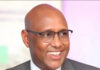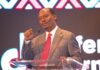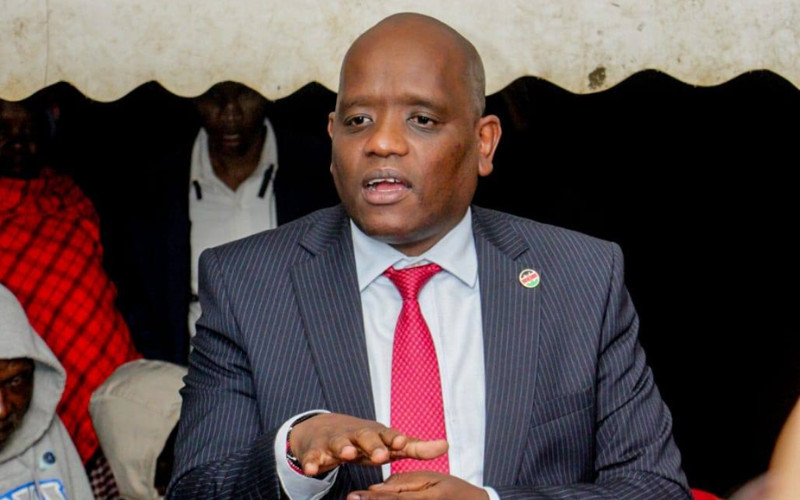
Kenya’s music industry is riddled with systemic failures that leave even the most popular artists earning pennies from their work, according to Dennis Itumbi, Head of Presidential Special Projects and Creative Economy Coordination.
Speaking on NTV’s programme, The Last Word, Itumbi revealed that between 2019 and 2024, Kenya collected hundreds of millions in royalties, yet a fraction reached the artists themselves.
In 2019, KSh 92 million was collected, but artists received only KSh 13 million, 19% instead of the 70% mandated by law.
The following years showed similar discrepancies, with payouts in 2020, 2021, 2022, and 2023 ranging from KSh 5 million to KSh 6 million, despite millions more collected. In 2024, artists received only KSh 11 million out of KSh 86 million collected – just 12.8%.
“It’s clear the problem isn’t talent. The problem is how the money is handled,” Itumbi said, citing cases where CMOs collected KSh 108 million but distributed only KSh 2 million.
He described artists earning as little as KSh100 a month for songs that took time, money, and creativity to produce, while CEOs in the same ecosystem took home millions.
“We are creating celebrities who end up broke. That’s why, when they get sick or die, we rely on harambees – yet these are supposed to be our icons,” he said.
The government, he explained, has taken steps to restructure the system. Royalty collection has been integrated into eCitizen, ensuring payments from media houses, matatus, bars, supermarkets, and other entities that play music are automatically directed to artists during license renewals. Most CMOs have signed on, but one remains resistant, and regulators are following up to ensure compliance.
Itumbi said the industry’s biggest challenges are distribution, integrity, and regulatory enforcement. “Kenyans consume Kenyan music — the problem is not the audience. The problem is a structure that has never worked,” he said, pointing out that political parties, supermarkets, and other institutions have historically used music without paying tariffs.