The United Kingdom has issued a travel warning to its citizens, advising against all but essential travel to Moyale town and areas within five kilometres of the Kenya-Ethiopia border following escalating violence in neighbouring Ethiopia.
In an updated travel advisory issued on November 6, the UK Foreign, Commonwealth and Development Office (FCDO) expanded its list of areas where British nationals should avoid non-essential travel, citing growing security concerns along the border.
The warning covers Moyale town and surrounding areas within a five-kilometre radius, including the border crossing into Ethiopia.
“FCDO now advises against all but essential travel to Moyale Town and up to 5km around it, including to the border with Ethiopia,” the advisory stated.
The British government further cautioned travellers that ignoring its travel advice could affect their insurance coverage, potentially leaving them without protection in the event of an emergency.
“Your travel insurance could be invalidated if you travel against advice from the Foreign, Commonwealth & Development Office (FCDO),” it warned.
The advisory comes amid escalating clashes between communities associated with Ethiopia’s Oromia and Somali regional administrations over territorial administration, triggering deaths, injuries and displacement.
According to the FCDO, violence in the Ethiopian town of Moyale since October 2026 has increasingly affected the border region, including areas on the Kenyan side.
The agency reported incidents involving stray gunfire, unexploded ordnance and projectiles landing in and around the Kenyan town, raising concerns over the safety of residents and cross-border travellers.
The security situation remains unpredictable, with the possibility of further deterioration without warning.
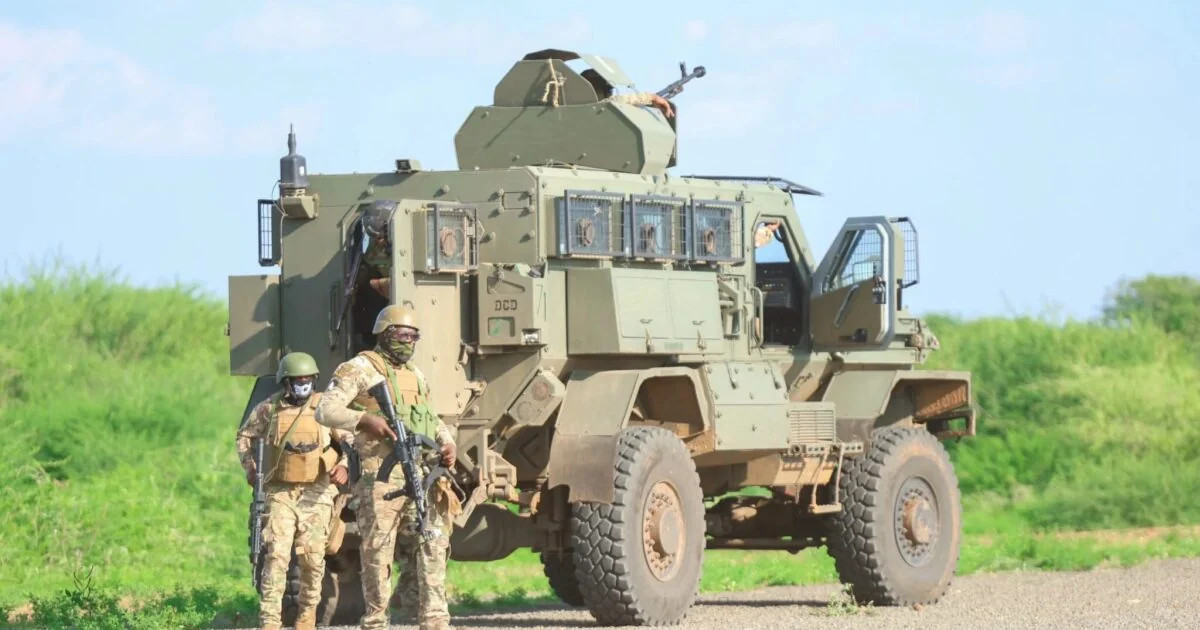
Kenyan authorities have consequently stepped up security operations along the frontier to prevent the violence from spreading further into the country.
On November 5, Inspector General of Police Douglas Kanja ordered the deployment of additional security officers to Moyale following consultations with regional security commanders.
Kanja directed officers to heighten surveillance and remain on high alert to protect residents, their property and people escaping the violence in Ethiopia.
He also urged members of the public to cooperate with security agencies by sharing timely and credible intelligence that could help identify and prevent potential security threats.
During his visit, the Inspector General toured temporary camps hosting displaced Ethiopian families and assured them of enhanced security and coordinated humanitarian support.
The deteriorating security situation has also triggered a humanitarian crisis, with thousands of Ethiopians crossing into Kenya to escape the fighting.
On October 28, the United Nations High Commissioner for Refugees (UNHCR) reported that an estimated 50,000 people had crossed into Kenya, although the figure remained subject to verification.
“According to local authorities up to an estimated 50,000 people have crossed into Kenya. The figure remains fluid as registration and verification efforts continue, amid reports of further crossings,” UNHCR said.
Women and children account for a significant number of those displaced, with some families accommodated in temporary shelters established in schools and churches, while others have sought refuge with relatives and host communities.
UNHCR identified food as the most urgent humanitarian requirement, alongside clean drinking water, emergency shelter, sanitation facilities and healthcare services.
The agency, working alongside UNICEF, the International Organization for Migration (IOM) and the World Food Programme (WFP), is seeking 8.9 million US dollars to support up to 50,000 displaced people over a three-month period.
Beyond the humanitarian impact, the violence has disrupted economic activities along the Kenya-Ethiopia border, with cross-border trade affected by growing insecurity.
Trucks have reportedly been stranded, while some businesses operating near the One-Stop Border Post temporarily shut down over fears of stray gunfire.
The latest British travel warning adds to growing international concern over the security situation in northern Kenya, as authorities continue monitoring developments and strengthening security along the border.